7 Causes of Cracked Heels (And How to Prevent Them)
脚跟干裂原因
Discover the 7 most common causes of cracked heels, from dry skin and calluses to footwear and daily habits. Learn how to prevent heel cracks with a simple, consistent foot care routine.
7 Causes of Cracked Heels (And How to Prevent Them)
You moisturize.
You try to take care of your feet.
But your heels still feel dry, rough — or start cracking again.
It’s a common frustration. And most of the time, it’s not because you’re doing nothing… it’s because you’re missing why it’s happening.
Cracked heels rarely appear overnight. They develop slowly — from dryness, pressure, and small daily habits that build up over time.
The good news is that once you understand the cause, they become much easier to prevent.
Why Do Heels Crack?
Every time you walk, your heel absorbs pressure.
Underneath the skin is a natural fat pad that expands slightly with each step to cushion your body. Healthy skin stretches with that movement.
But when the skin becomes dry, thick, and less flexible, it can’t stretch properly. Instead, it splits.
The skin on your feet is especially vulnerable because:
- it is much thicker than skin on most of the body
- the soles have no oil glands to naturally keep them soft
- it is constantly exposed to pressure and friction
Over time, this combination leads to roughness, buildup, and eventually cracks.
The 7 Most Common Causes of Cracked Heels
Most people experience more than one of these at the same time.
1. Dry Skin That Builds Up Over Time
Dryness is where it usually starts.
When the skin loses moisture, it becomes less flexible. Over time, it turns rough and rigid — and more likely to crack under pressure.
How to prevent it:
- moisturize regularly, not occasionally
- use richer formulas for heels, not just light lotions
2. Thick Calluses (Built-Up Dead Skin)
Your skin protects itself by becoming thicker when there’s pressure or friction.
But thick skin doesn’t stretch well. Once it dries out, it becomes brittle and prone to splitting.
How to prevent it:
- gently exfoliate 2–3 times per week
- avoid aggressive scraping or over-filing
3. Standing or Walking for Long Hours
Long hours on your feet increase constant pressure on the heels.
Over time, this encourages skin thickening and makes cracking more likely.
How to prevent it:
- take breaks when possible
- use cushioned shoes or supportive insoles
4. Open-Back Shoes (Sandals, Flip-Flops)
Shoes without heel support allow the skin to expand outward with every step.
This creates tension on already dry skin — leading to cracks.
How to prevent it:
- wear supportive footwear when possible
- increase moisturizing when wearing sandals frequently
5. Hot Showers and Harsh Soaps
Hot water and strong cleansers strip away the skin’s natural protective barrier.
Afterward, moisture evaporates quickly, leaving the skin dry and tight.
How to prevent it:
- use lukewarm water instead of hot
- choose gentle cleansers
- apply moisturizer while skin is still slightly damp
6. Using the Wrong Type of Foot Care
Many products are simply too light for thick heel skin.
They may feel good for a moment, but don’t provide lasting support where it’s needed.
How to prevent it:
- use richer creams or balms for heels
- choose products designed for dry, thick skin
7. Aging Skin and Reduced Moisture Retention
Over time, skin naturally holds less moisture and becomes less elastic.
This makes dryness more noticeable and cracks more likely.
How to prevent it:
- stay consistent with daily care
- use more nourishing, protective products
Which Cause Sounds Like You?
A quick way to understand your situation:
- Rough but not painful heels → early dryness
- Thick, hard skin → buildup and calluses
- Cracks when walking → pressure + dryness
- Nothing seems to work → routine or product issue
Most people are dealing with a combination — not just one cause.
Why Your Current Routine Might Not Be Working
If your heels stay dry no matter what you try, it usually comes down to three things:
- the skin is too thick for light products to penetrate
- the product is not rich enough to support the barrier
- the routine is inconsistent
Many people also:
- use regular body lotion
- scrub too aggressively
- only treat the problem once it becomes visible
That’s why results don’t last.
Why Quick Fixes Don’t Work
Cracked heels are not a one-time problem.
They develop over time — and they improve the same way.
Trying to fix them overnight often leads to:
- over-exfoliating
- irritation
- faster buildup returning
What works better is a calm, consistent approach.
What Actually Helps Dry, Cracked Heels
You don’t need complicated treatments — just the right combination of care.
Ingredients that are especially helpful include:
- Urea → helps soften thick skin and improve moisture retention
- Lactic acid → gently exfoliates and smooths buildup
- Glycerin → draws moisture into the skin
- Shea butter and oils → help protect and soften the skin barrier
These work best when used consistently.
A Simple Rhythm That Works
Instead of thinking in “treatments,” think in routine.
Daily → maintain
- apply foot cream to dry areas
Weekly → reduce buildup
- gently exfoliate softened skin (2–3 times per week)
Night → repair
- apply a richer layer of cream or balm
- wear cotton socks to lock in moisture
Small, consistent care works better than occasional effort.
Where a Natural Routine Fits
A balanced approach works best:
- gently reduce buildup
- restore moisture
- protect the skin over time
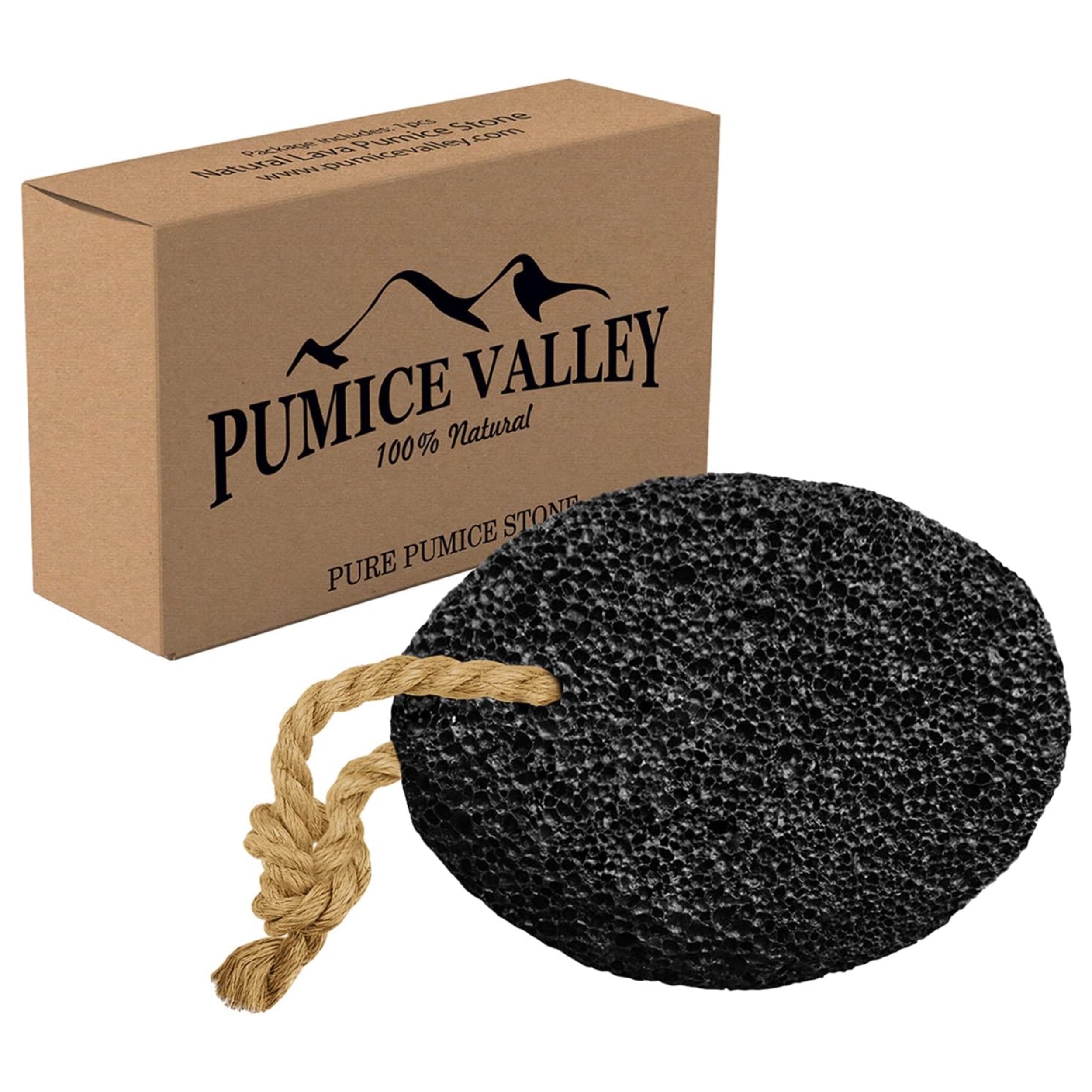
A routine that combines gentle exfoliation with a natural pumice stone and a richer foot treatment often works more effectively than using cream alone.
When to Be Careful
Avoid exfoliating if your skin is:
- bleeding
- deeply cracked
- inflamed or painful
- showing signs of infection
If dryness turns into deep, painful cracks or doesn’t improve, it’s worth looking more closely at the cause.
Final Thought
Cracked heels are common — but they’re rarely sudden.
They usually build slowly from dryness, pressure, and small habits that go unnoticed.
The solution isn’t doing more.
It’s doing the right things, consistently.
Gentle care, regular moisture, and a simple routine can make a lasting difference.
FAQ
Why do my heels crack even if I moisturize?^
This usually happens when the skin is too thick for light products to work effectively. Moisturizer may stay on the surface instead of softening deeper layers. Gentle exfoliation combined with richer creams often works better.
What is the main cause of cracked heels?^
The main cause is a combination of dry skin and pressure. When the skin loses flexibility and is exposed to daily weight and movement, it can split instead of stretching.
How often should I exfoliate my heels?^
For most people, 2–3 times per week is enough. It’s important to exfoliate gently on softened skin, rather than trying to remove everything at once.
Can cracked heels heal on their own?^
Mild dryness may improve slightly, but cracks usually need consistent care to fully heal. Without a routine, the dryness and buildup tend to come back.
What works best for preventing cracked heels?^
A simple routine works best: * regular moisturizing * gentle exfoliation * using richer products when needed Consistency is more important than quick fixes.