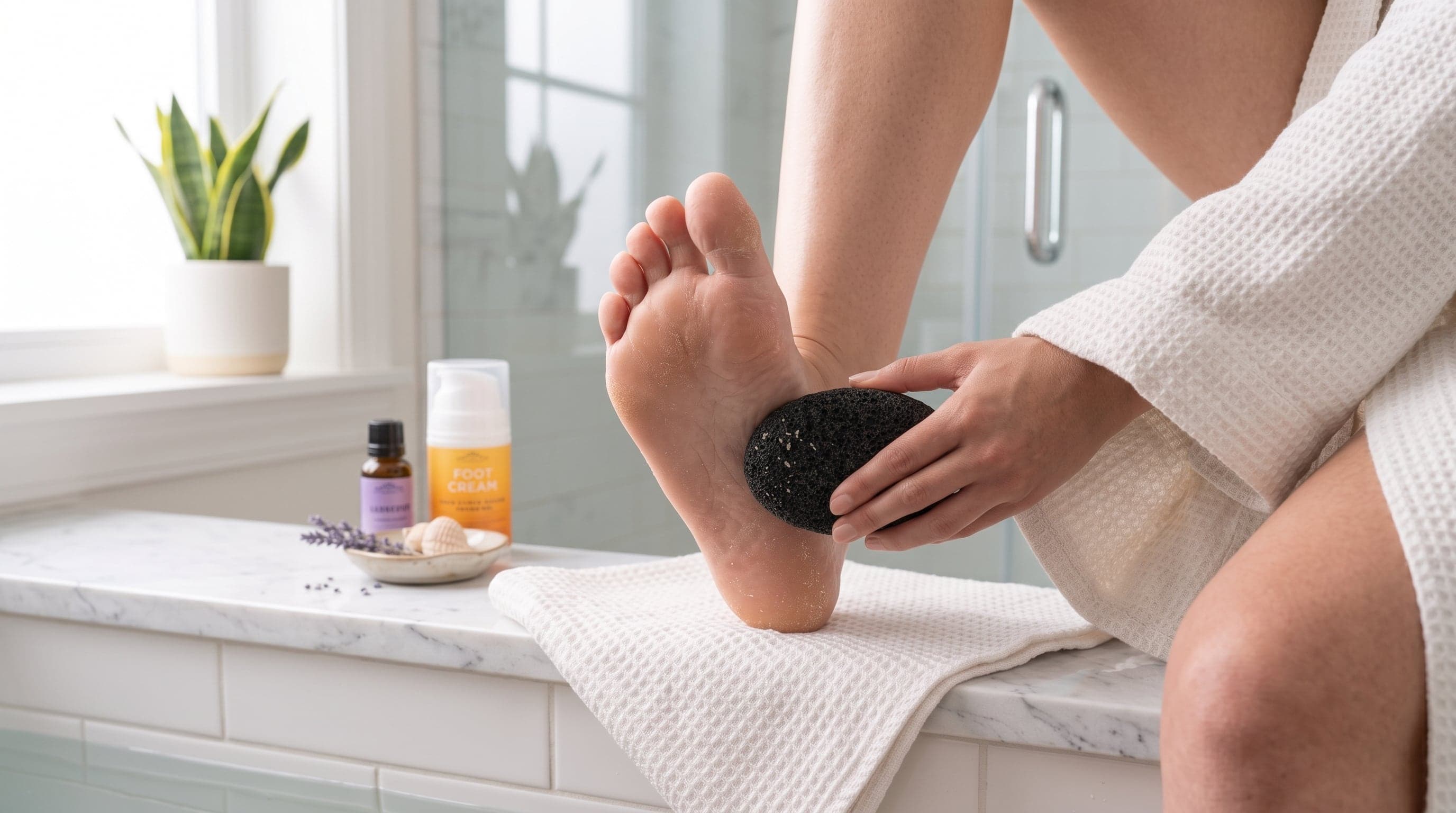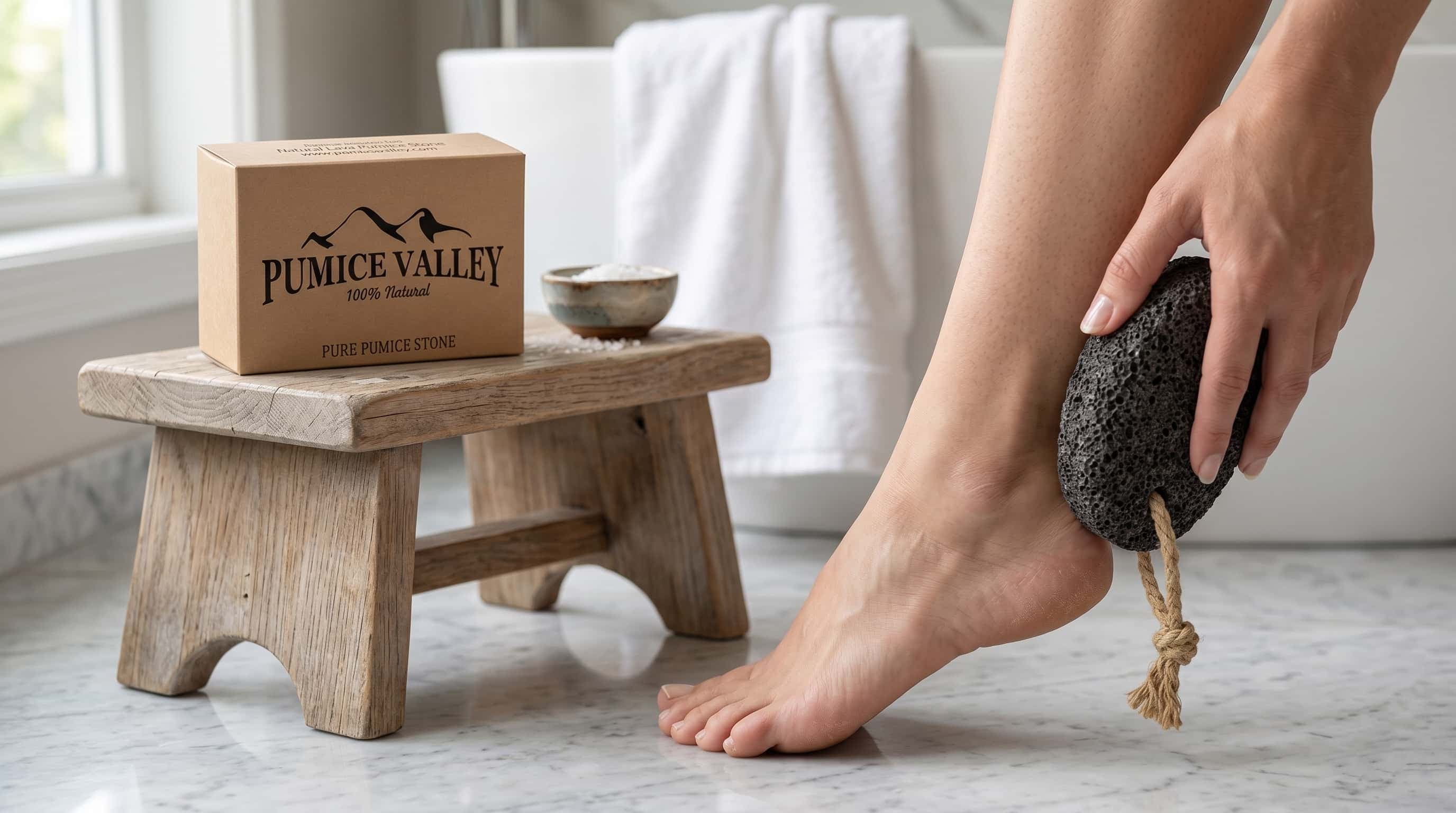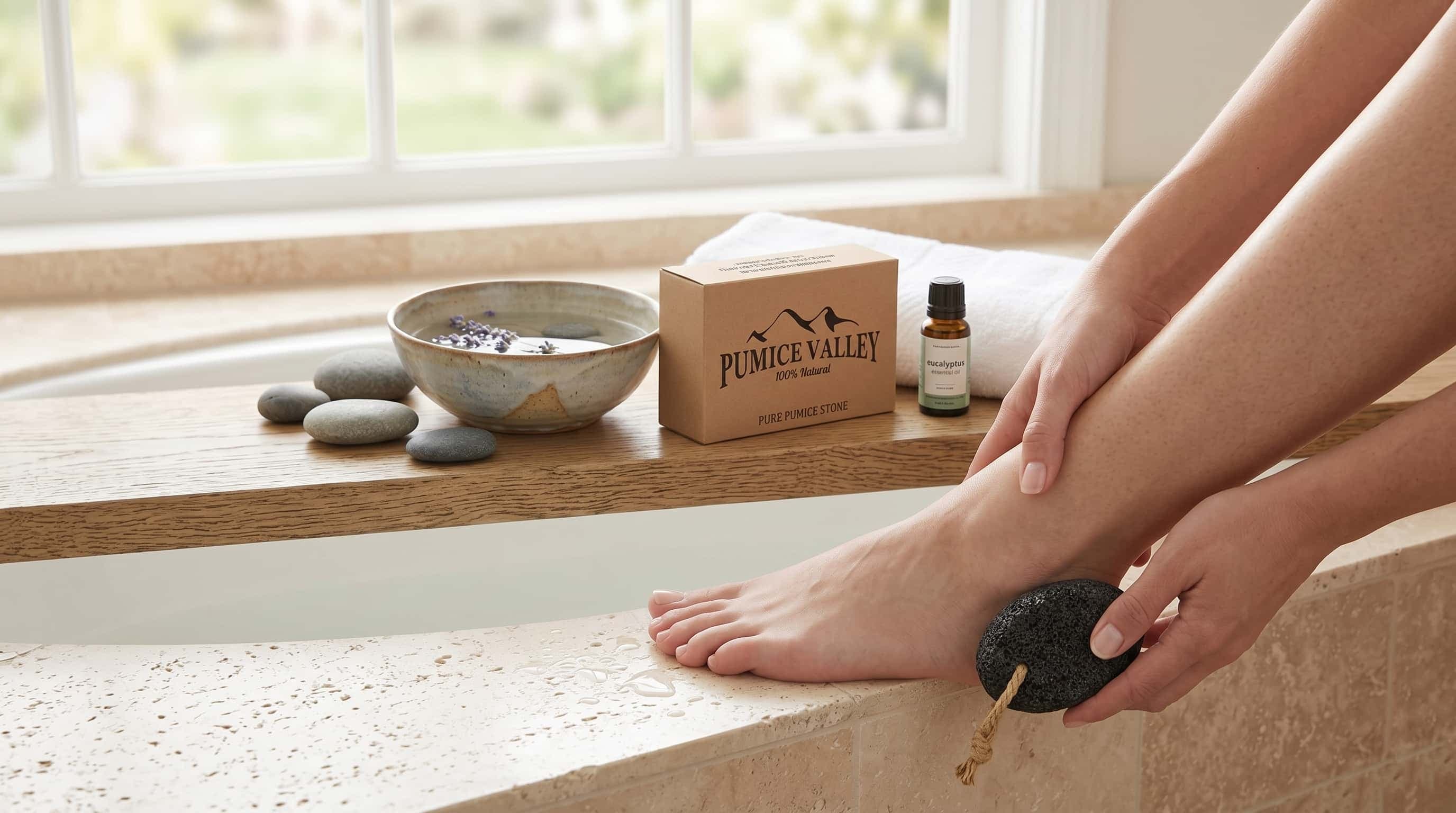
How to Care for Rough, Cracked Heels — A Simple Daily Routine
Dry, cracked heels are common — but they don’t need aggressive treatments. Learn a simple, natural routine using pumice and daily care to restore softness and comfort over time.
Thoughts on natural foot care, daily rituals, and the materials that support healthy skin. Practical guidance, written with intention
New here? Start with our pillar page for the full overview of pumice stones for feet, then explore the supporting articles below.

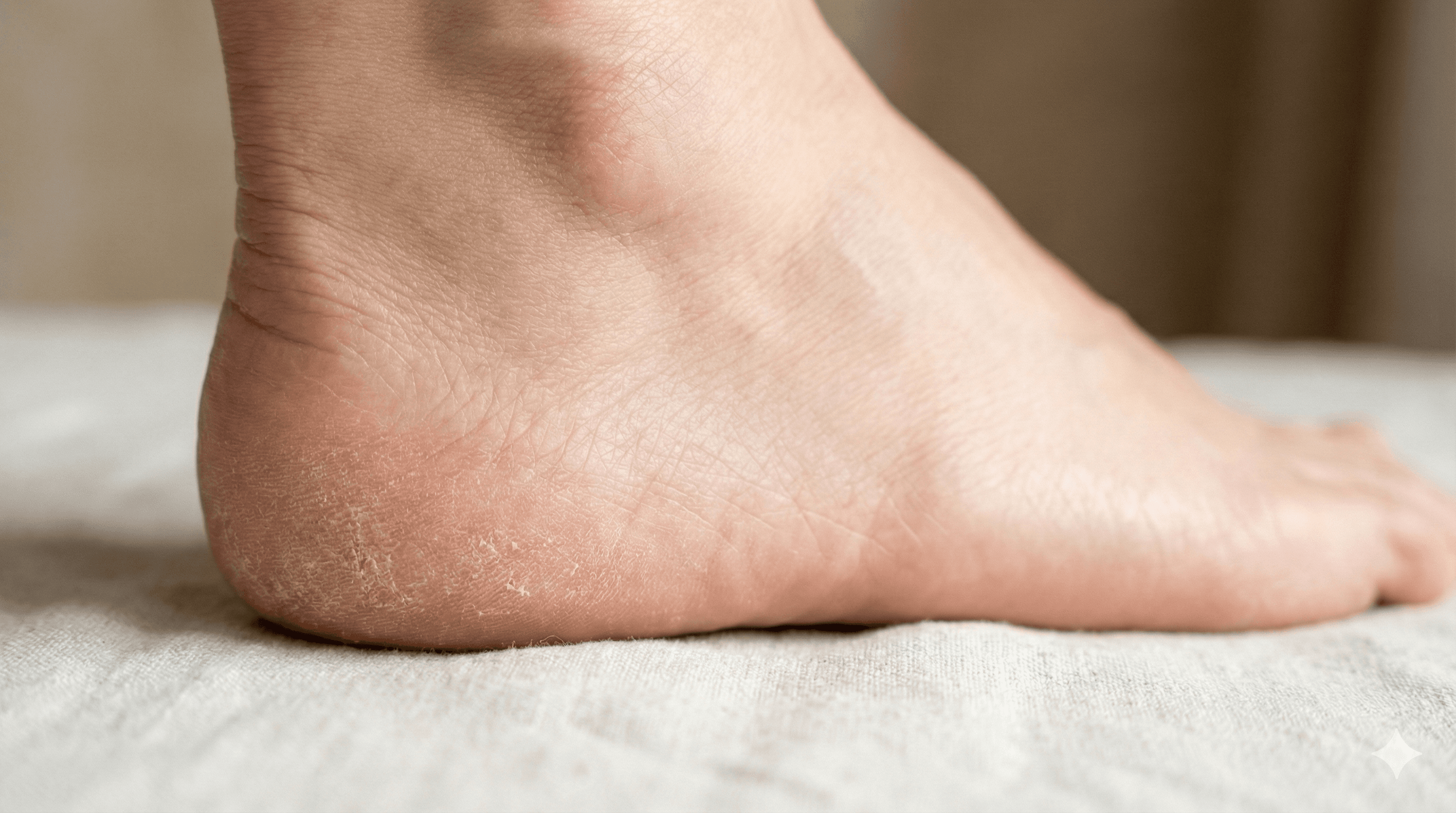
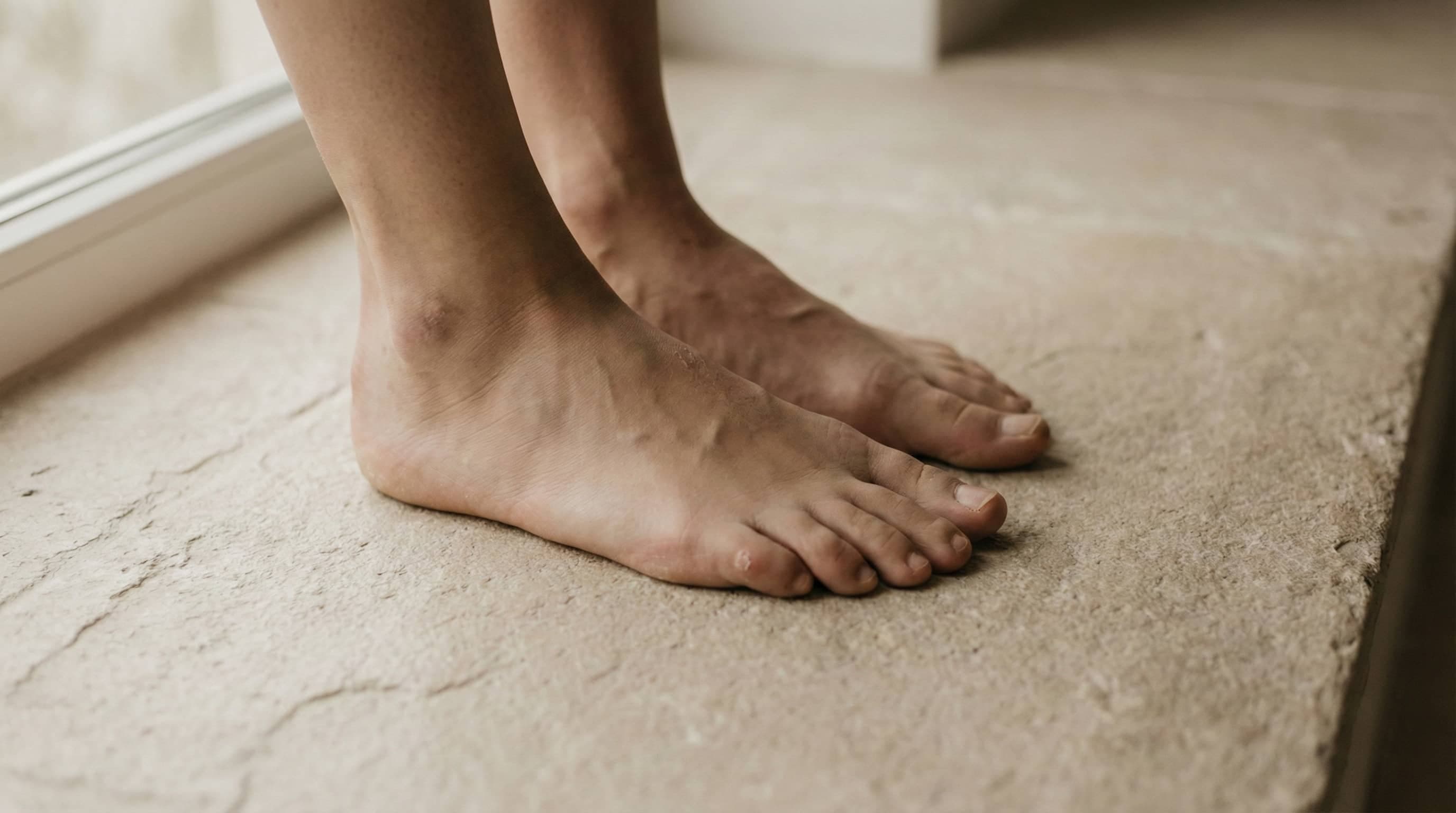
Dry, cracked heels are common — but they don’t need aggressive treatments. Learn a simple, natural routine using pumice and daily care to restore softness and comfort over time.

Summer foot care is not just about softer heels. This routine helps manage dryness, sweat, friction, and sun exposure so feet stay more comfortable all season.

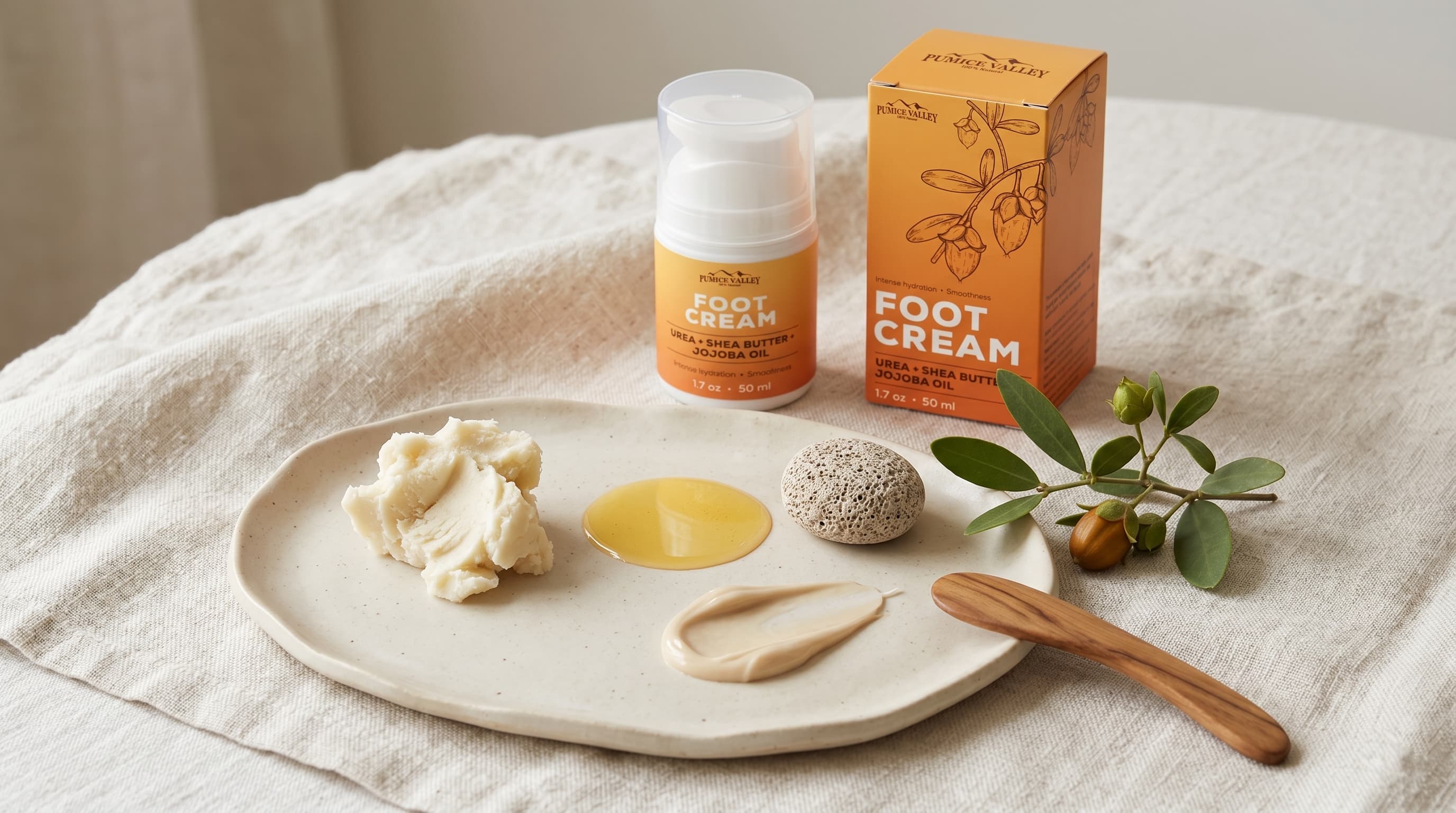
Urea and shea butter both help dry feet, but they work differently. If your heels are rough, thick, or cracking, urea usually works better. If your feet mainly need softness and barrier support, shea butter can be a better fit.

Discover the 7 most common causes of cracked heels, from dry skin and calluses to footwear and daily habits. Learn how to prevent heel cracks with a simple, consistent foot care routine.

Dry feet are often caused by thick skin, friction, and moisture loss. Learn why it happens, why some creams do not help, and the simple routine that works.

Most people notice dry, rough feet when summer begins — but few understand why it happens or how to fix it properly. This simple routine explains how to keep your feet soft, smooth, and healthy all season.

Natural volcanic pumice is a simple but powerful exfoliating tool. Learn why its unique texture makes it ideal for callused areas like feet — and how to use it gently and effectively in your care routine

If your heels stay rough no matter what you try, the problem may be your routine. Here are the most common foot care mistakes — and how to fix them.

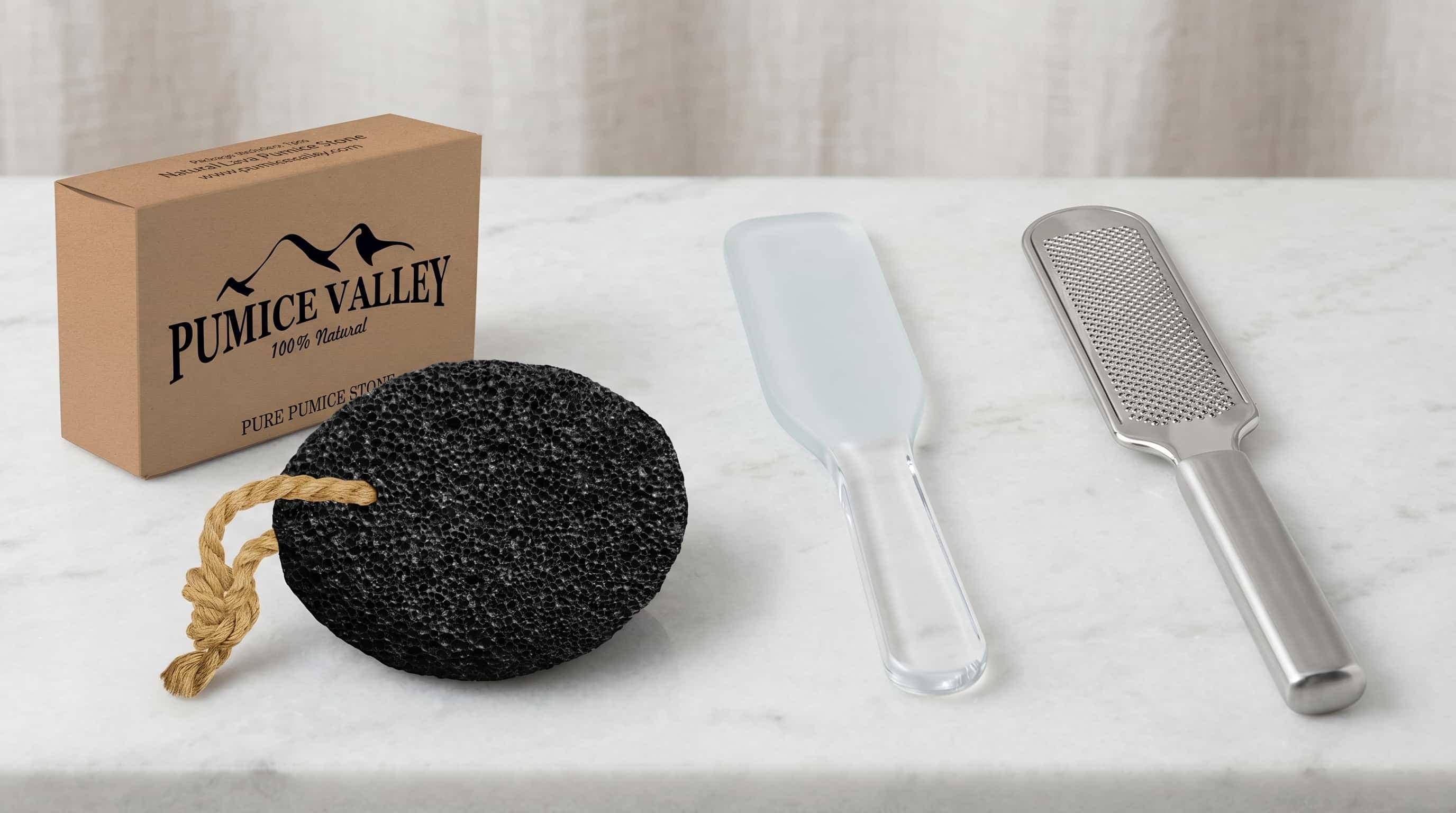
How to use pumice effectively and what are their benefits, and how they compare to other foot care tools.

A practical guide to choosing and using the best pumice stones for soft, smooth feet. Learn how to safely exfoliate calluses and dry skin, what features to look for, and how to get the best results from your foot care routine.
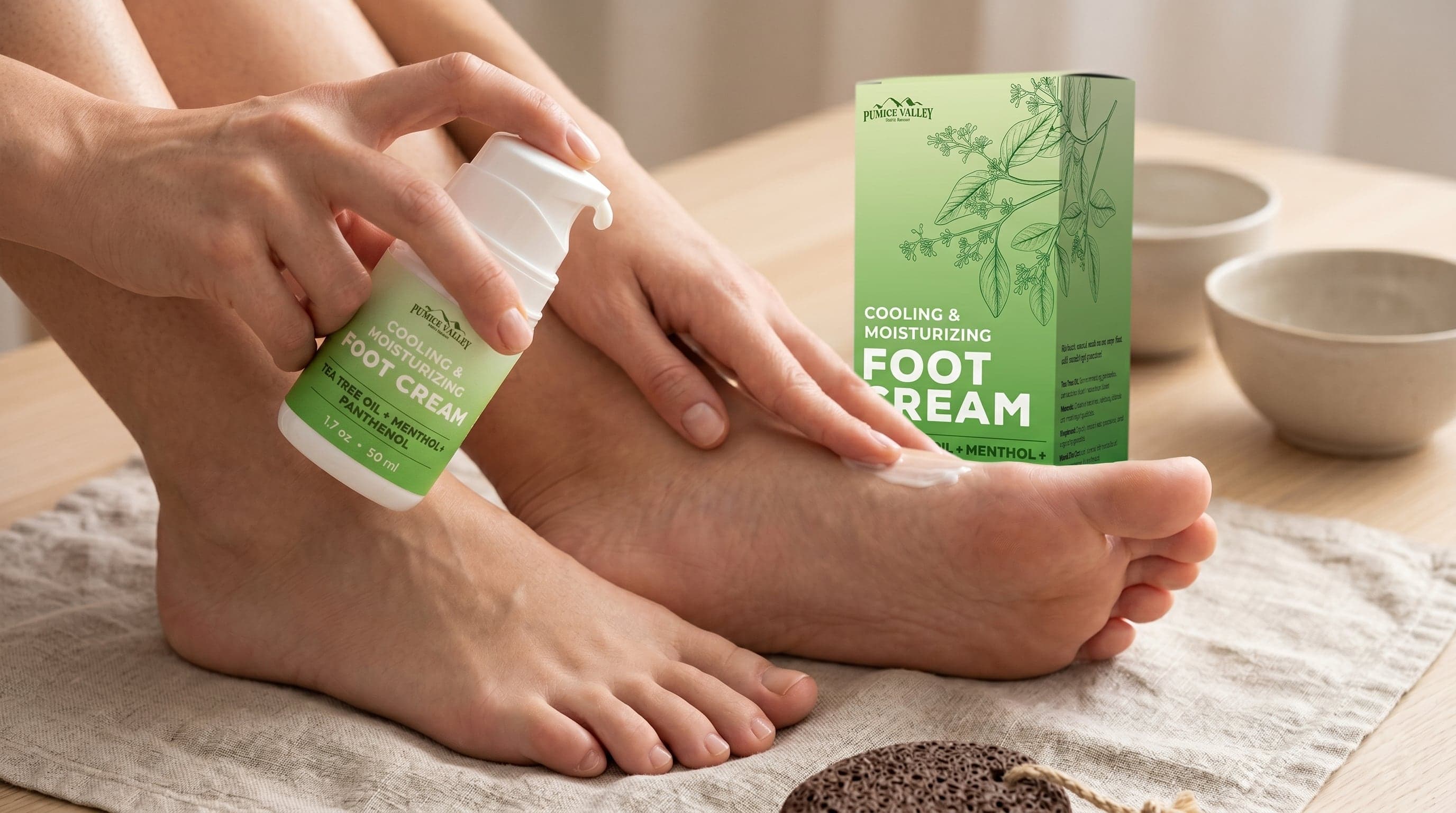
If you use foot cream every day and your heels still crack, the problem is usually not effort alone. Here is what your routine may be missing.

Most people wash their feet but skip the area around the toenails, where sand, sweat, sunscreen residue, and skin particles often remain. This small habit can make feet look and feel much cleaner.

Keeping your toenails clean is not just about appearance. Learn why daily nail cleaning improves foot hygiene and how to build a routine that takes less than two minutes.

If your pumice stone is not working, the issue is usually technique, timing, or skin condition rather than the tool alone. Here is how to make it work better without over-scrubbing.

Vaseline can help cracked heels, but not for the reason many people think. Here is what petroleum jelly does well, where it falls short, and how to use it more effectively.

Not every flaky foot problem is simple dryness. Here is how to tell whether you are dealing with dry heels, athlete's foot, or a mix of both.

If your feet never feel fully clean after a shower, the problem is often not the skin. It is the nail area, cuticle line, and side edges that ordinary washing tends to miss.

Most people get better results from a pumice stone on softened skin rather than on dry feet. Here is why wet use is usually safer and more effective.

Dry feet respond better when the formula matches the problem. These are the ingredients that actually help cracked heels, rough buildup, and long-term softness.

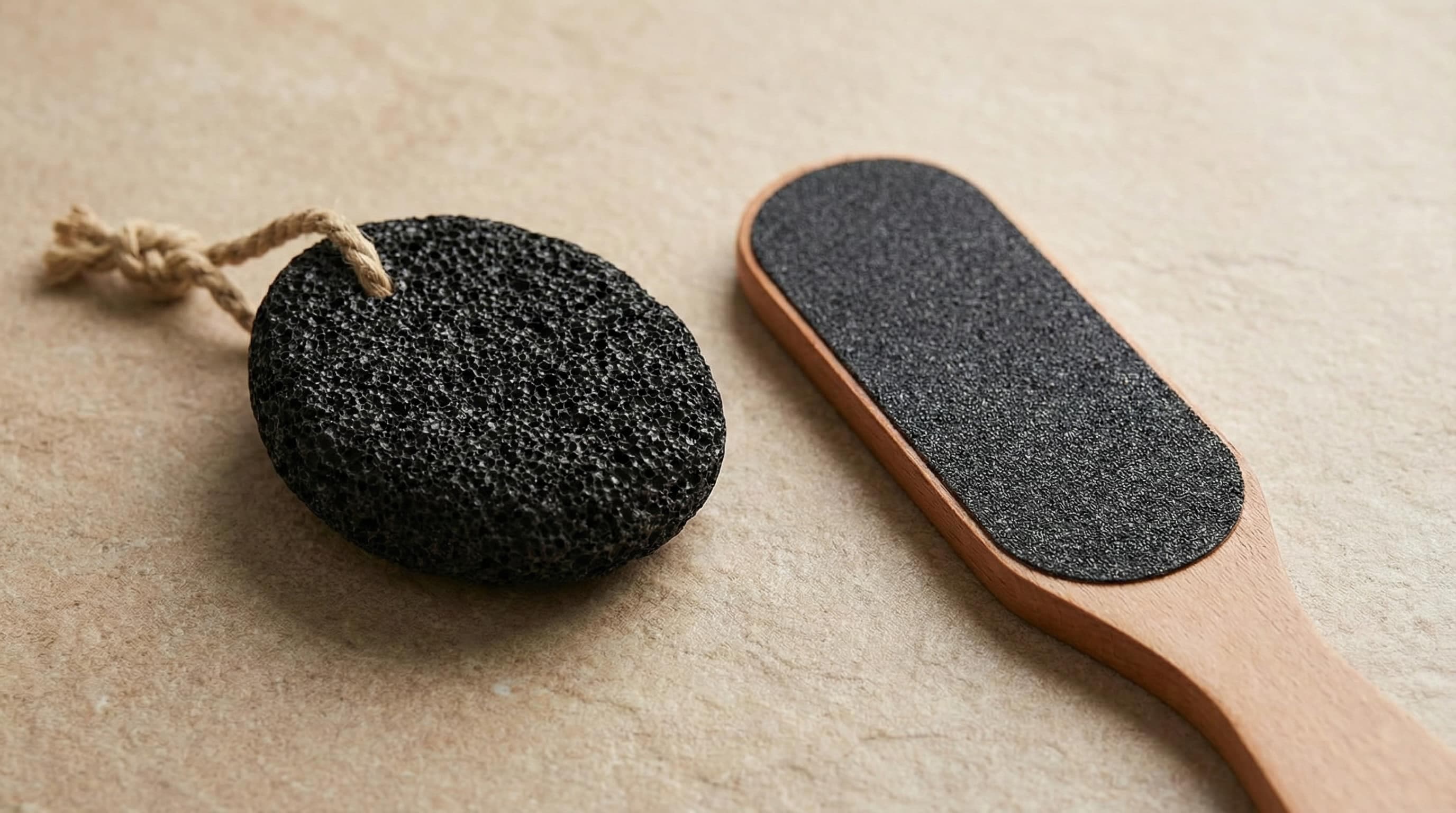
Both tools smooth rough feet — but they work differently. Here’s how to choose the right one for your needs.