Is Vaseline Good for Cracked Heels? What It Helps and What It Cannot Fix
Heel balm truth
Is Vaseline good for cracked heels? Learn what petroleum jelly helps with, what it cannot fix on its own, and how to use it as part of a cautious heel-care routine.
If your heels feel dry, tight, or starting to split, Vaseline can absolutely help. But it helps in a specific way.
Vaseline does not exfoliate thick skin, dissolve buildup, treat an infection, or repair every type of heel crack on its own. What it does very well is seal moisture in and protect the surface from drying out even more.
That is why it works best as part of a routine, not as a magic fix.
Quick Answer
Yes, Vaseline can be useful for cracked heels, especially when dryness and moisture loss are the main problem. It supports the skin barrier and protects the surface; it is not a treatment for every cause of cracking.
It works by forming a protective layer over the skin, which helps reduce water loss and gives the heel more time to soften overnight.
What it does not do well on its own is loosen thick callused buildup. If your heels are dry, rigid, and heavily rough, Vaseline usually works better after a moisturizing cream and gentle exfoliation, not instead of them.
Why Cracked Heels Happen in the First Place
Cracked heels are rarely caused by one missed foot-cream application.
Most of the time, they happen because the skin around the heel becomes:
- dry
- thickened
- less flexible
- stressed by friction and pressure
Heel skin has to expand slightly when you stand and walk. If that skin is soft, it stretches. If it is dry and hardened, it is more likely to split.
That is why people often notice the same pattern:
- heels start feeling rough
- the edges become harder and drier
- the skin begins catching on socks or sheets
- small fissures appear
At that stage, the goal is not just to make the feet feel greasy. The goal is to help the skin hold onto moisture again.
What Vaseline Actually Does
Vaseline is plain petroleum jelly. It is best understood as an occlusive.
That means it sits on the surface of the skin and helps prevent water from escaping. For cracked heels, that can be useful because dry heel skin usually needs more than a light lotion. It needs protection.
When used well, Vaseline can help:
- reduce moisture loss
- soften the feel of rough heels over time
- protect superficial cracks from getting drier
- improve overnight comfort
This is why so many heel-care routines include it before bed. Night is when you can keep the product in place, avoid friction, and let the skin rest.
When Vaseline Works Best
Vaseline is often most helpful when:
- your heels feel dry but not extremely thick
- your skin looks ashy, flaky, or tight
- light lotions disappear too quickly
- you want to lock in a richer cream overnight
- you are trying to protect mild surface fissures from worsening
It can also be a useful maintenance step after the roughest buildup is already under better control.
That last point matters. A lot of people expect one product to fix every stage of dry feet. But foot care usually works better when you match the product to the actual problem.
What Vaseline Does Not Fix Well on Its Own
This is the part many articles leave out.
If your heels are deeply rough, chalky, or built up around the edges, Vaseline may improve comfort without changing the texture very much. That is because it is not designed to break down thicker outer skin.
So if you are dealing with:
- dense callus buildup
- rough white heel rims
- repeated cracking around thick skin
- heels that feel hard even right after moisturizing
then Vaseline alone is usually not enough.
In that situation, a better routine often includes:
- gentle exfoliation on softened skin
- a cream with ingredients like urea, lactic acid, or similar skin-softening support
- Vaseline as the final sealing step
Think of it this way:
- active cream helps treat the roughness
- Vaseline helps keep the moisture in
That is a smarter combination than using petroleum jelly alone and hoping it will do the entire job.
The Best Way to Use Vaseline for Cracked Heels
If you want real results, use it with timing and structure.
1. Start after bathing or a short soak
Skin holds moisture better right after a shower or brief warm soak. This is when heels are most receptive.
Keep the soak short. Long hot soaks can dry the skin out more.
2. Gently reduce buildup if needed
If there is visible roughness, use a pumice stone very gently on softened skin. The goal is not to scrub the heel raw. It is to reduce excess buildup gradually.
If your skin is bleeding, inflamed, open, or deeply split, skip exfoliation and do not rely on Vaseline alone; seek appropriate medical advice.
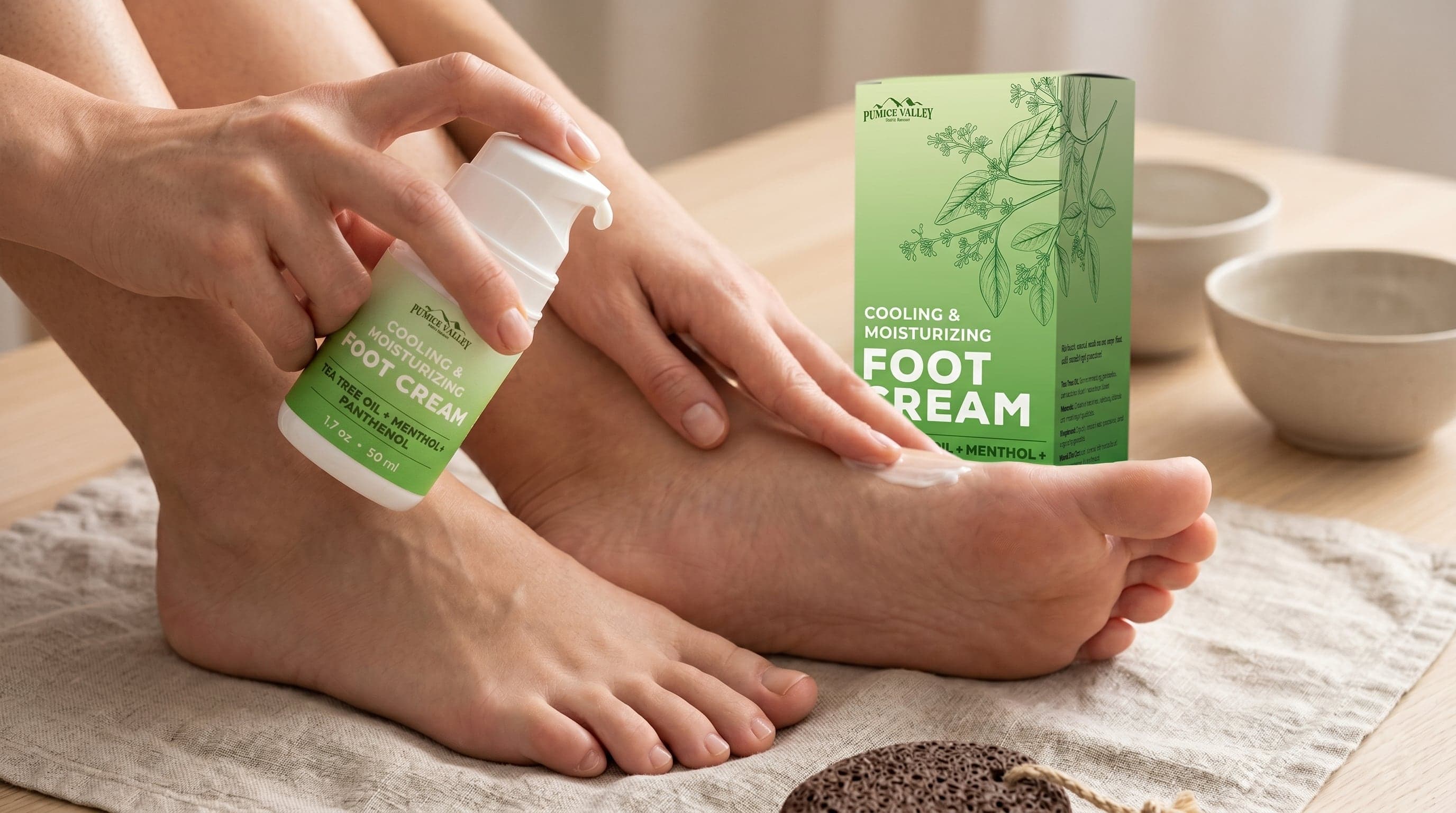
3. Apply a real moisturizer first
This is the step people often miss.
Vaseline does not add much water to the skin by itself. It is better at sealing than hydrating. That means it usually performs best over a foot cream, especially one made for very dry skin.
Good options often include ingredients such as:
- urea
- glycerin
- lactic acid
- shea butter
- ceramides
4. Seal with a thin layer of Vaseline
Once the cream is on, add a thin layer of Vaseline over the driest areas. You do not need a thick, slippery coating. A modest layer is enough to create a seal.
5. Wear cotton socks overnight
This keeps the product in place, reduces transfer to bedding, and gives the heels several uninterrupted hours of contact time.
Is Vaseline Better Than Foot Cream?
Usually not by itself.
If the choice is only between Vaseline and no care at all, Vaseline can help. But compared with a good foot cream, it solves a narrower problem.
Foot creams are often better at bringing moisture and skin-softening support to the heel. Vaseline is better at holding that help in place.
That is why the most realistic answer is:
- foot cream treats the dryness more actively
- Vaseline helps protect and seal
For many people, the best results come from using both.
Can Vaseline Make Cracked Heels Worse?
Not usually, but poor technique can be unhelpful.
Problems tend to happen when people:
- apply it over dirty or damp-feeling skin without washing first
- use it as a substitute for all moisturizers
- keep scraping the heels aggressively and then trying to "fix" them with occlusion
- ignore signs that the issue may be something else, like athlete's foot or a skin condition
If the skin is itchy, peeling between the toes, burning, or not improving with a dry-skin routine, the problem may not be simple dryness.
When to Be More Careful
Home care should become more cautious if:
- the cracks are deep or bleeding
- walking is painful
- there is redness, swelling, drainage, or warmth
- you have diabetes or poor circulation
- the skin is not improving after steady care
At that point, "Which ointment should I use?" stops being the main question.
The main question becomes whether the heel needs professional evaluation instead of more experimenting.
A Simple Vaseline Routine That Makes Sense
If your heels are dry and starting to roughen, this rhythm is usually enough:
Daily
- wash and dry feet well
- apply foot cream to heels
At night, 3-7 times per week depending on dryness
- add a thin layer of Vaseline over cream
- wear cotton socks
1-3 times per week
- gently smooth softened buildup with pumice
This is not glamorous. It is just effective.
Final Verdict
Yes, Vaseline can be helpful for cracked heels, mainly because it helps reduce moisture loss and protect the skin surface. It does not diagnose or treat an underlying skin condition or infection.
Its strength is sealing.
Its limitation is that it does not do much to loosen thick heel buildup on its own.
So if your heels are mildly to moderately dry, Vaseline can be a very helpful part of your routine. If they are heavily rough, callused, or repeatedly cracking, it usually works best paired with gentle exfoliation and a more active moisturizing cream.
That is the real truth: Vaseline is useful, but it works best as one part of a thoughtful foot-care ritual.
Conclusion
Vaseline deserves a place in foot care because it does one job very well: it helps keep moisture from escaping.
That matters more than people think. Dry heels usually stay rough because they lose moisture faster than they can hold it. A sealing step can change that. But it is still only part of the answer.
If your heels need softness, comfort, and protection, Vaseline can help. If they also need texture correction, callus control, and deeper smoothing, pair it with a richer foot cream and gentle exfoliation. Better routines come from understanding what a product is actually good at, not from asking it to do everything.
CTA
If your heels keep returning to the same dry, rough cycle, simplify the routine. Smooth buildup gently, moisturize with intention, and use protective sealing steps that help your skin stay comfortable longer.
FAQ
Is Vaseline good for deeply cracked heels?^
It can help reduce moisture loss and protect the surface, but deeply cracked heels often need more than petroleum jelly alone. Thick buildup, pain, or bleeding call for a more careful routine and sometimes professional advice.
Should you put Vaseline on cracked heels before bed?^
Yes. Overnight is one of the best times to use it because it can seal in moisture for several uninterrupted hours.
Do you use Vaseline before or after foot cream?^
Usually after. Foot cream goes on first, then Vaseline helps lock that moisture in.
Can Vaseline heal callused heels?^
Not by itself. It may reduce moisture loss and soften the feel of the surface, but it does not remove thick buildup or treat an underlying skin problem.
Is Vaseline enough for dry feet?^
Sometimes for mild dryness, yes. For rough or repeatedly cracked heels, it is usually better as a support step rather than the only step.