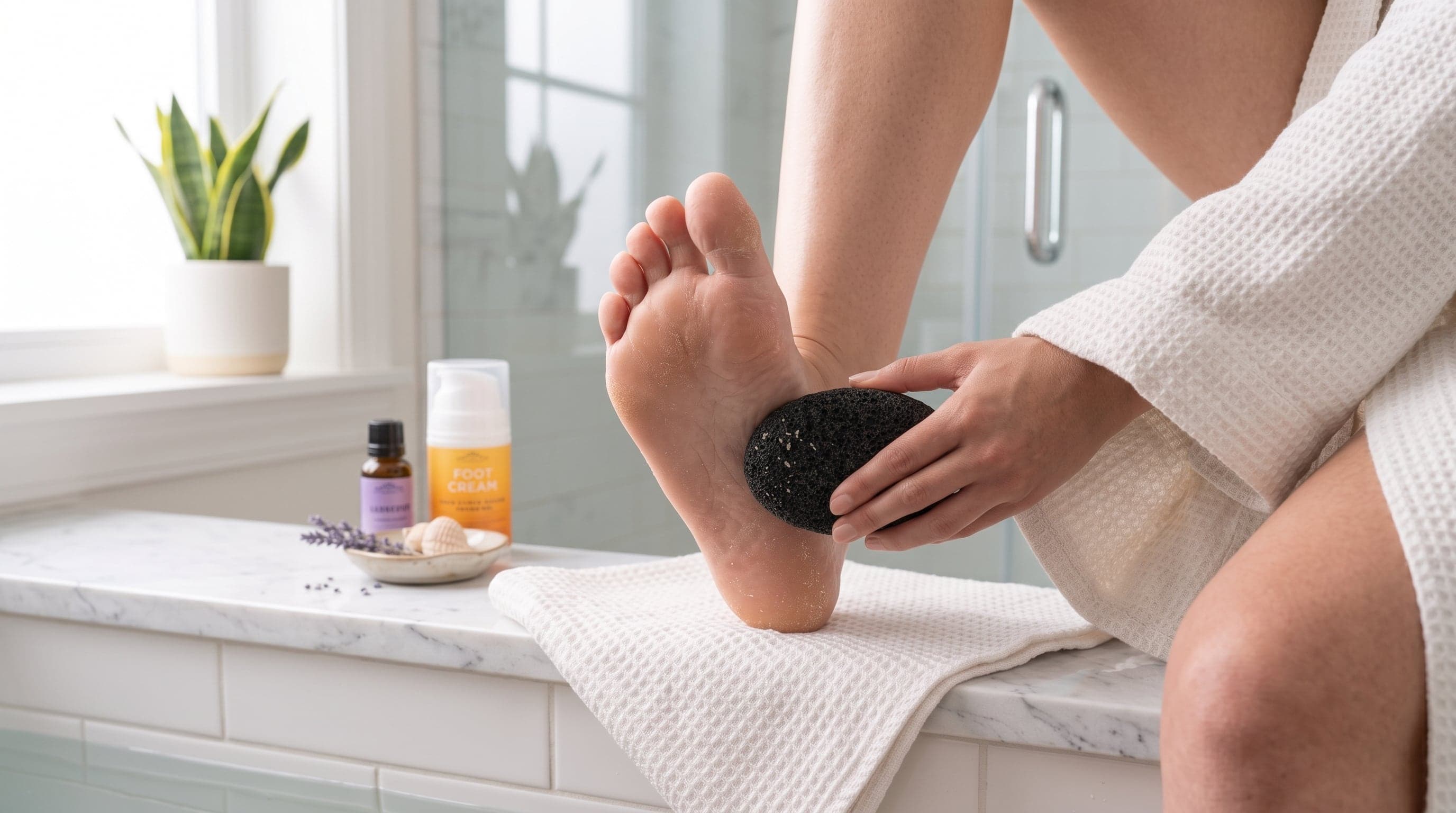
Why Do My Feet Feel Rough Again After Exfoliating? Causes and a Better Routine
Why roughness comes back after exfoliating
Why do your feet feel rough again after exfoliating? Dryness, friction, thick buildup, and over-scrubbing can all shorten the result. Learn a practical routine that is gentler and easier to maintain.
Few things are more frustrating than exfoliating your feet, feeling some progress, and then waking up the next day wondering whether anything happened at all. If you are asking, “Why do my feet feel rough again after exfoliating?”, the usual answer is that exfoliation removed some surface buildup, but dryness, friction, pressure, or an overly aggressive routine brought the rough feeling back.
This is a very common cycle.
It usually does not mean exfoliation never works. It means the routine is solving only part of the problem, or it is being done in a way that makes the result too temporary to last.
Quick Answer
If your feet feel rough again one day after exfoliating, the most common reasons are:
- you removed surface roughness but did not add enough moisture afterward
- you scrubbed too aggressively and left the skin irritated
- the buildup is thicker than one session can fix
- friction and pressure are recreating roughness quickly
- your maintenance routine is too occasional
For most people, smoother results last longer when exfoliation is gentle, done on softened skin, and followed immediately by richer moisture. The goal is not to make your feet perfectly smooth in one session. It is to reduce excess roughness without creating more irritation.
Why Exfoliation Often Feels Short-Lived
Exfoliation can improve texture, but it does not automatically solve the reasons that roughness formed in the first place.
Those reasons usually include:
- dryness
- pressure
- friction
- repeated shoe rubbing
- inconsistent maintenance
So if you scrub the outer layer but leave the foot exposed to the same conditions afterward, the skin can start feeling rough again very quickly.
This is why "I exfoliated and it came right back" is such a common complaint.
1. You Smoothed the Surface but Did Not Support the Skin Barrier
This is probably the most common explanation.
After exfoliation, the skin needs support. If you stop at the scraping step and do not follow with a richer cream, the newly exposed surface can dry out again fast.
That can make it seem like the exfoliation did nothing when the real issue is that the routine ended too early.
A better sequence is:
- soften the skin first
- exfoliate gently
- apply foot cream immediately afterward
That final step is what helps the smoother surface stay comfortable longer.
2. You May Be Exfoliating Too Aggressively
People often assume that more pressure means better results.
Usually it does not.
If you scrub hard enough to leave the skin tender or raw, you can create irritation that makes the area feel rough again quickly. Overworked skin rarely feels calm for long.
That is especially true on heels, where people tend to keep going long after the useful part of the routine is over.
The goal is to reduce excess buildup, not to polish the foot down aggressively in one session.
3. The Buildup Was Thicker Than It Looked
Some rough feet are dealing with mild surface dryness.
Others have thicker callused buildup from long-term pressure and friction. In that case, one exfoliation session may make the area feel somewhat smoother without changing the underlying thickness enough to keep the result going.
That does not mean the routine failed.
It means the problem needs repeated, measured maintenance instead of a one-time rescue effort.
4. Your Shoes and Floors May Be Undoing the Work
Foot texture is not determined by products alone.
It is also shaped by what the feet deal with every day.
Roughness tends to return faster if you:
- walk barefoot on hard surfaces often
- wear shoes that rub the same heel points
- use sandals that let the foot slide
- spend long hours standing
Even a good exfoliation session has limited staying power if the foot is constantly being stressed again right away.
5. You Might Be Exfoliating at the Wrong Time
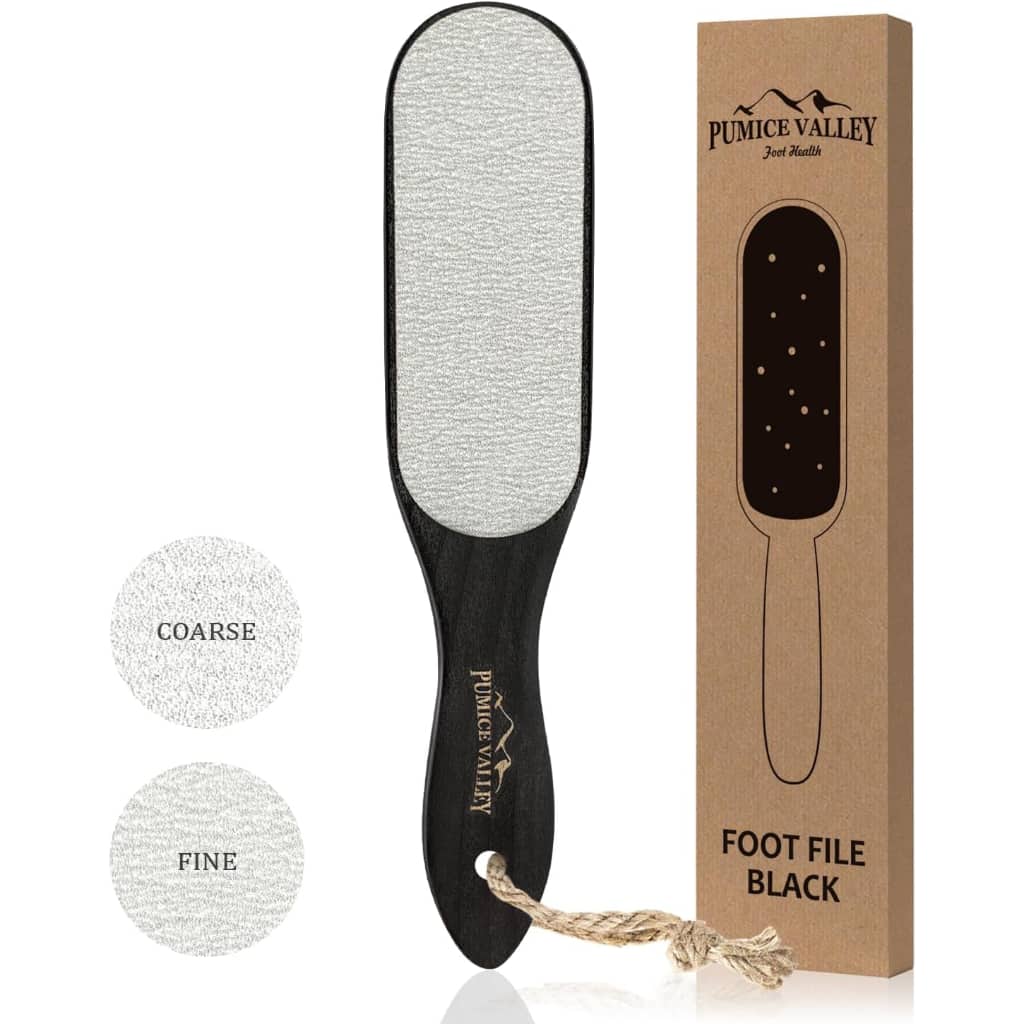
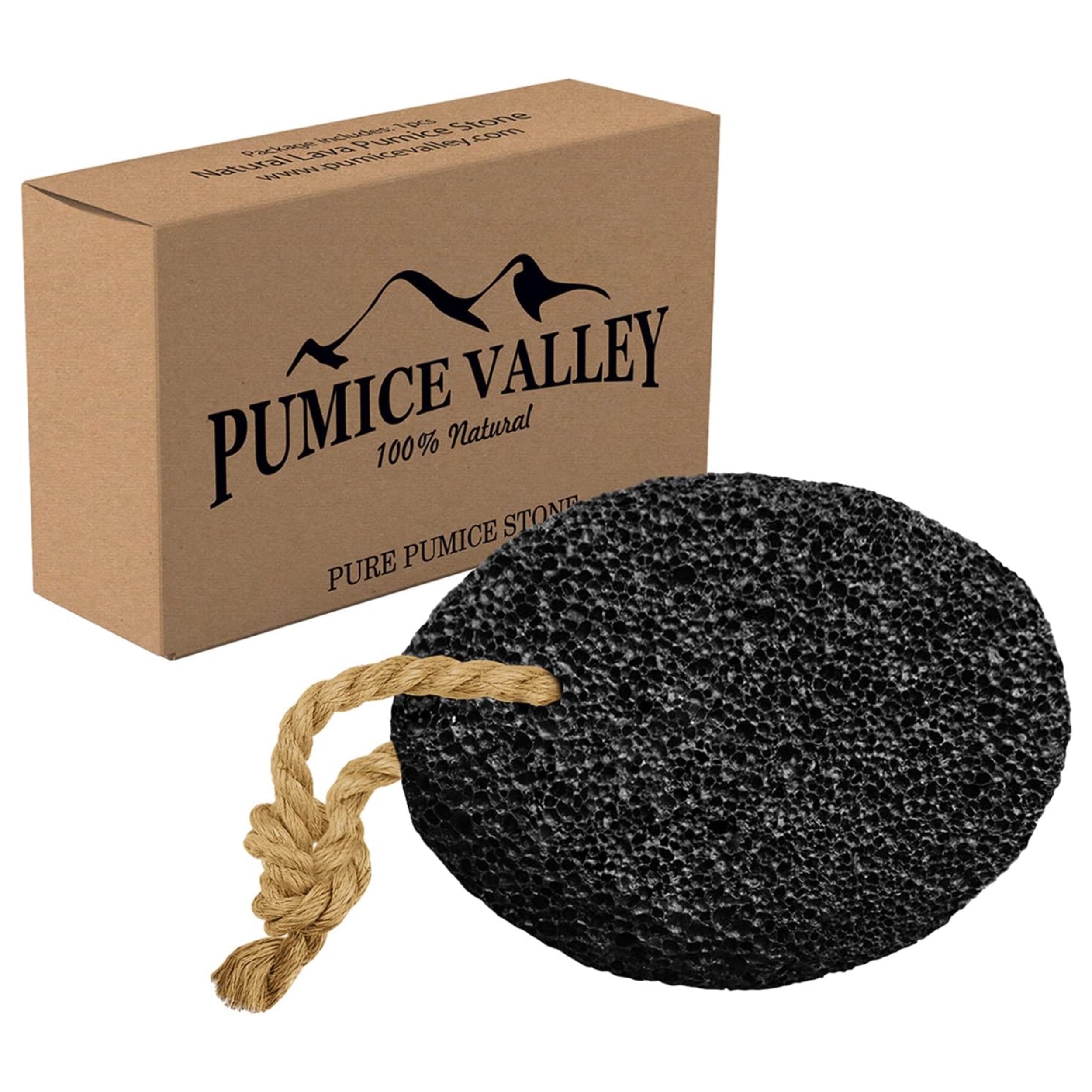
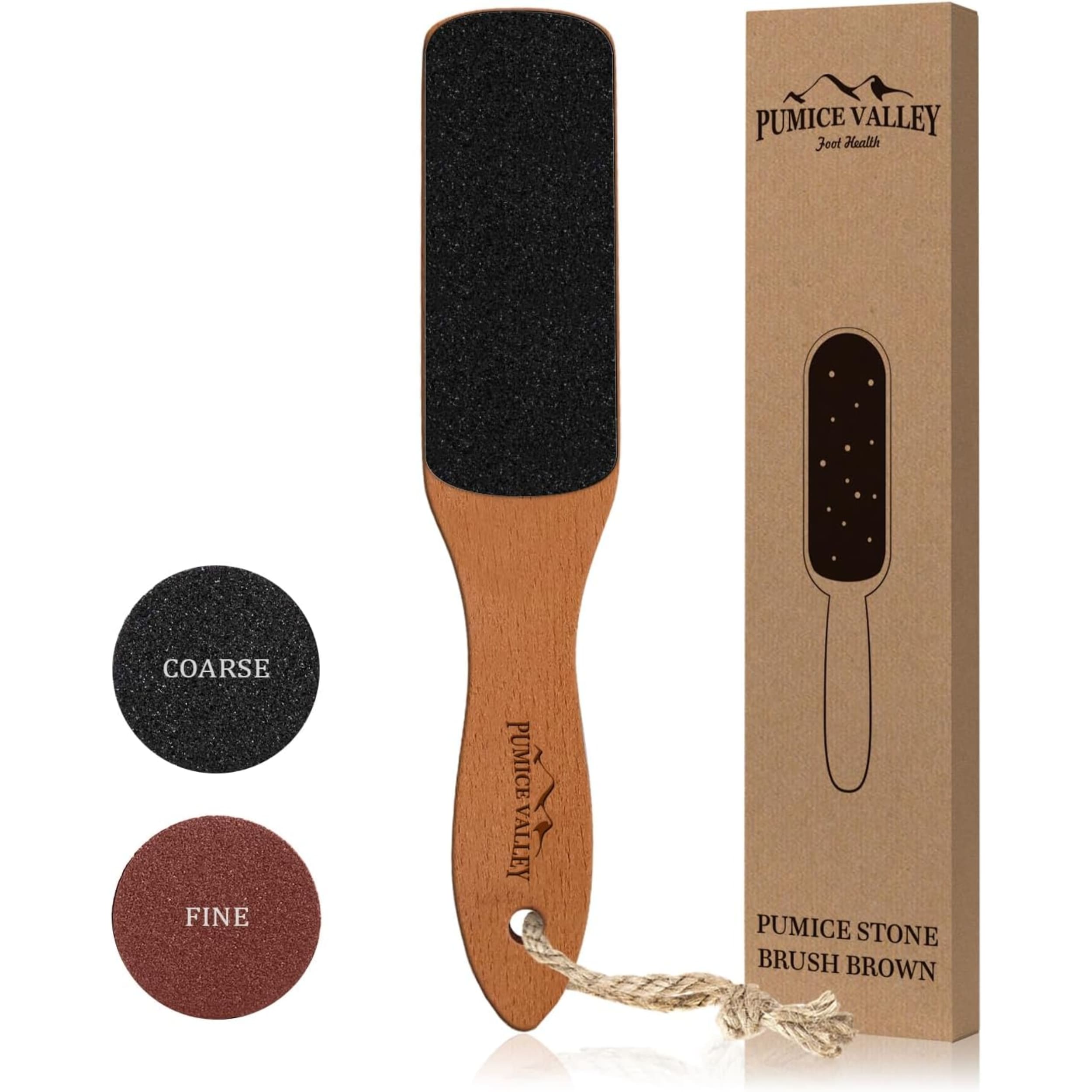
A pumice stone or file usually works better on softened skin.
If you use it on hard, dry, rigid heels, the result is often more drag than real smoothing. The foot can feel scratched without truly feeling renewed.
That is why many people get better results. For a measured schedule and signs that you are doing too much, see how often you should exfoliate your feet.
Many people get better results:
- after a shower
- after a bath
- after a short warm soak
Better timing often means less force and a better result.
6. Roughness Comes Back Fast When Moisture Is Still Leaking Out
Feet lose comfort faster than many people expect.
The soles have no oil glands, and heels are under repeated mechanical stress. If the skin is already prone to dryness, exfoliating without changing the moisture routine can leave you in an endless loop:
- remove roughness
- feel smooth briefly
- dry out again
- repeat
This is why daily moisturizing usually matters more than people think, especially after exfoliation days.
What Usually Makes Smoother Results Last Longer
If you want the effect to hold better, the routine needs to become less intense and more complete.
Step 1: Soften first
Use exfoliating tools after bathing or after a short soak.
Step 2: Use lighter pressure
Gentle, repeated passes are often more useful than aggressive force.
Step 3: Stop before the skin feels raw
You are improving texture, not trying to remove every bit of thickness at once.
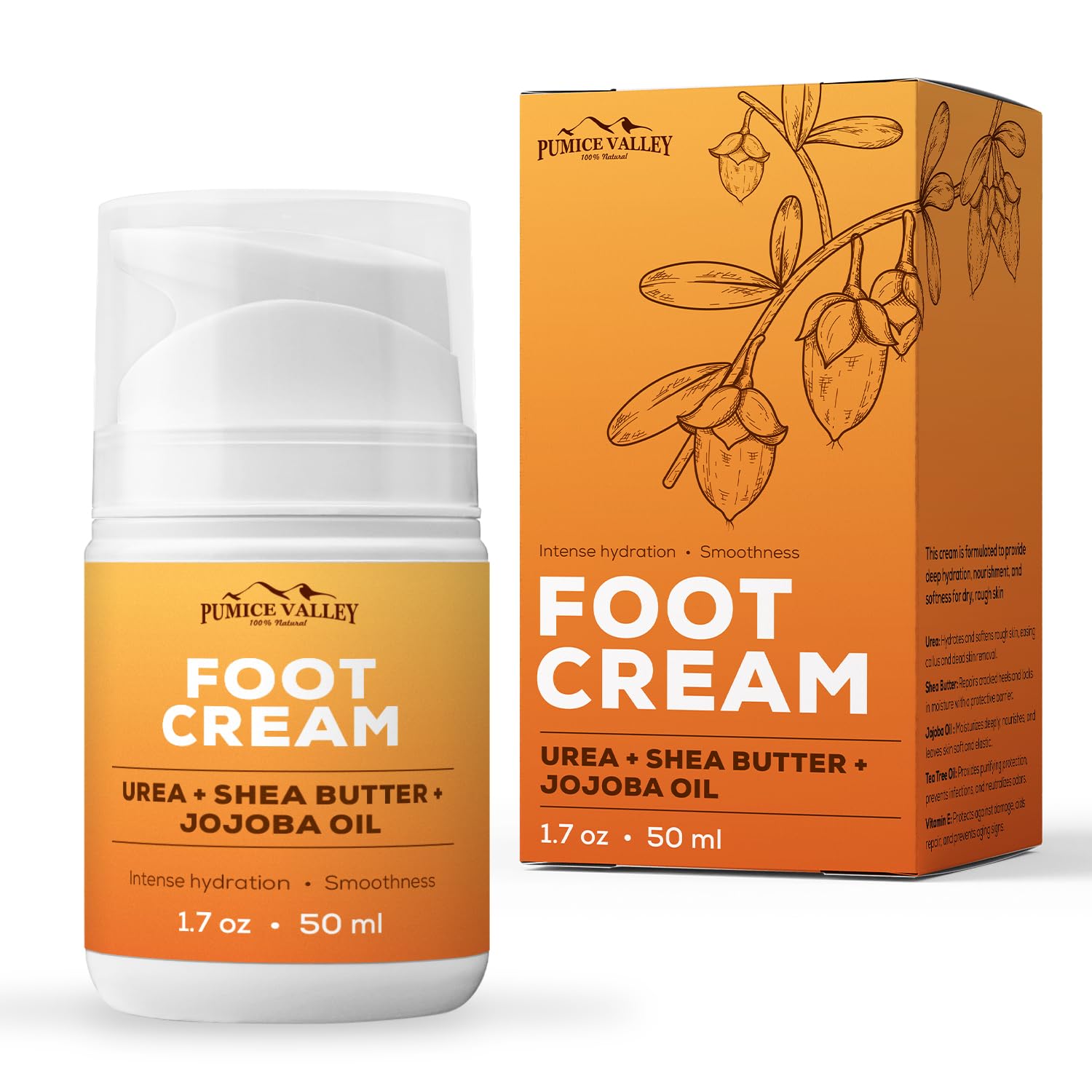
Step 4: Apply a richer cream immediately
This is one of the most important steps in the whole process.
For help choosing ingredients for dry, rough feet, see our guide to the best ingredients for dry feet and cracked heels.
Step 5: Moisturize on non-exfoliation days too
This is what turns a one-day result into maintenance.
How Often Should You Exfoliate?
That depends on your skin.
But many feet do better with moderate frequency than with extremes. A sensible starting point for uncomplicated roughness is once a week. If your skin stays comfortable and roughness persists, you can consider up to twice a week. That is usually a better approach than:
- one harsh session every few weeks
- daily aggressive scrubbing
If your feet feel tender, sting when moisturizer is applied, look unusually pink, or start peeling, pause exfoliation and let them recover. Do not increase pressure or frequency to chase a smoother feeling. The skin usually responds better to consistency than to punishment.
If you are unsure whether a pumice stone or foot file is the better fit, see our pumice stone vs foot file comparison. Clean and dry the tool after use; our pumice stone cleaning guide covers the full process, and how often to replace a pumice stone explains when the tool is no longer useful.
A Better 3-Step Routine
If your feet feel rough again right away, try this rhythm:
On exfoliation days
- soften the skin
- exfoliate gently
- apply richer foot cream
Daily
- moisturize dry areas after bathing or before bed
Ongoing
- reduce friction from problem shoes
- avoid over-scrubbing when you get impatient
Give the routine a little time to work. If the next-day roughness is unchanged, review the amount of pressure, the frequency, and how consistently you moisturize before adding more exfoliation.
This kind of routine usually gives calmer, more durable results than repeating the same harsh session over and over.
When Roughness May Be More Than Routine Dryness
Sometimes the issue is not a simple texture problem.
Be more cautious if you also have:
- pain
- deep cracking
- bleeding
- intense itching
- burning
- rash-like peeling
At that point, it is worth reconsidering whether the problem is just rough buildup.
Final Verdict
If your feet feel rough again one day after exfoliating, the usual problem is not that exfoliation never works.
It is that the routine stops at exfoliation.
For smoother results that last longer, most people need:
- softer prep
- gentler technique
- immediate moisture afterward
- more consistent maintenance between sessions
The feet usually do better when you stop treating exfoliation like the whole answer.
FAQ
Why do my feet get rough again so fast after exfoliating?^
The most common reasons are not moisturizing enough afterward, ongoing friction or pressure, over-scrubbing, and having buildup that needs more than one session to improve.
Should you moisturize right after using a pumice stone?^
Yes. Applying foot cream immediately afterward usually helps the smoother surface stay comfortable longer.
Can over-exfoliating make feet feel rougher?^
Yes. If you exfoliate too aggressively, the skin can become irritated and feel rough again quickly.
How often should you exfoliate rough feet?^
Start with once a week for uncomplicated roughness. If your skin stays comfortable and roughness persists, consider up to twice a week rather than scrubbing aggressively every day.
Why do my heels never stay smooth?^
Ongoing friction, dryness, and thickened buildup often mean the skin needs a more consistent maintenance routine, not just occasional exfoliation.