Foot Cream vs Foot Balm: Which Is Better for Dry, Cracked Heels?
足霜对比
Foot cream and foot balm solve different dryness problems. Compare Pumice Valley's Urea + Shea Foot Cream and Lavender Foot Balm by texture, purpose, timing, and heel condition.
Foot cream and foot balm can both make dry heels feel more comfortable, but they are not interchangeable. A cream is usually the more practical choice for daily, all-over moisture. A balm is better when you want a richer layer that stays on targeted rough spots and helps reduce moisture loss.
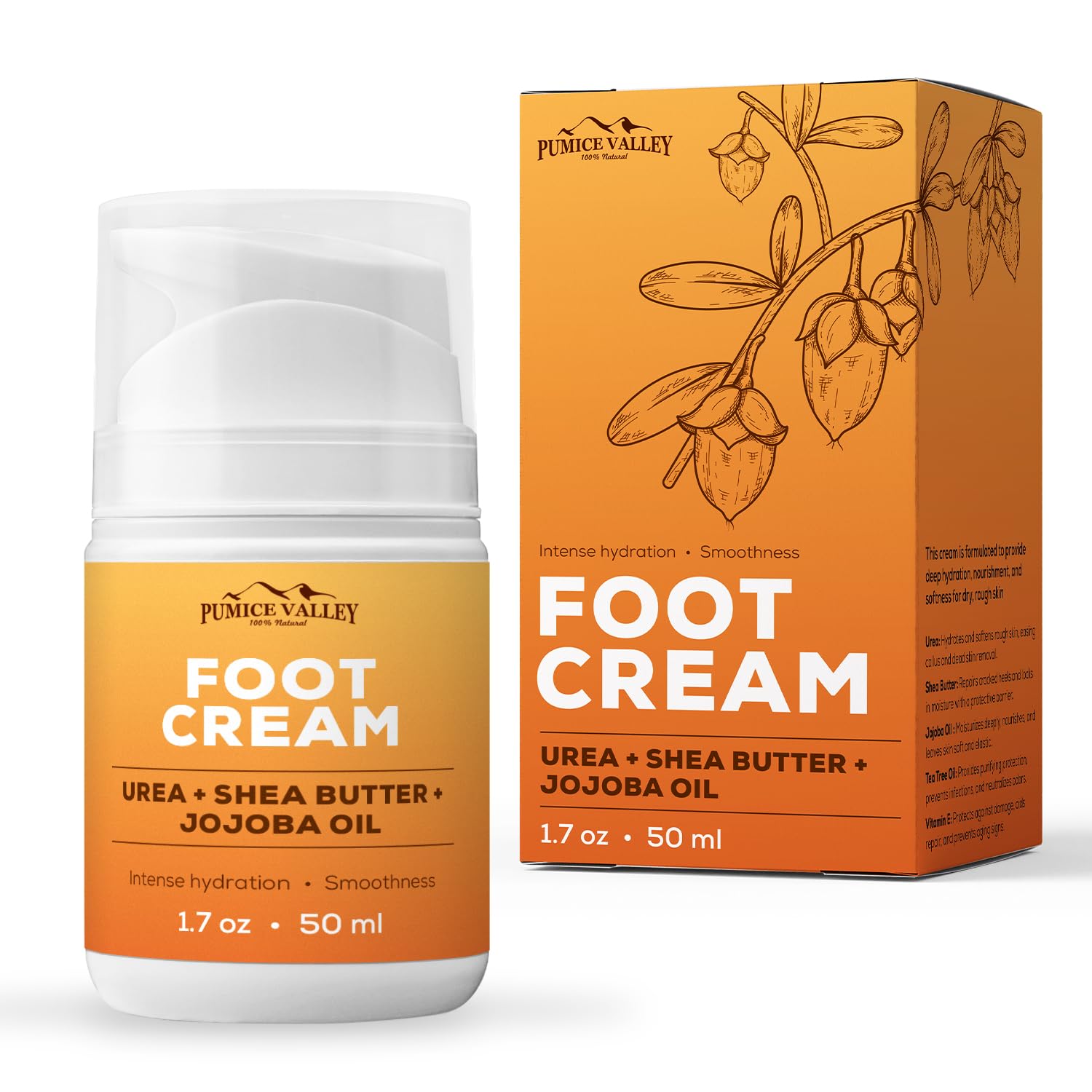
For the two Pumice Valley options, the choice is especially clear. The Urea + Shea Foot Cream is the better starting point when your heels feel dry, thick, or rough and you want a product that absorbs comfortably enough for regular use. The Lavender Foot Balm makes more sense when your priority is sealing in moisture with a dense oil-and-wax layer, especially as part of an evening routine.
Neither format is automatically “better.” The useful question is what your feet need now: hydration and gradual softening, or a protective finish that slows moisture loss.
Quick Answer
Choose the Urea + Shea Foot Cream if you want:
- a lighter product for daily use
- moisture plus support for rough, hardened-feeling skin
- an all-over formula for heels, soles, and other dry areas
- something that absorbs without leaving a heavy coating
Choose the Lavender Foot Balm if you want:
- a richer, slower-absorbing texture
- targeted care for very dry heels and rough spots
- an oil-and-wax layer that helps hold moisture in
- a lavender-scented evening ritual
If your feet are both rough and extremely dry, the formats can also be used at different times: cream as the regular moisturizing step and balm as an occasional sealing layer on the driest areas.
Foot Cream vs Foot Balm at a Glance
| Feature | Urea + Shea Foot Cream | Lavender Foot Balm |
|---|---|---|
| Texture | Lightweight but rich cream | Dense, oil-based balm |
| Main role | Hydrate and soften rough-feeling skin | Protect and reduce moisture loss |
| Featured ingredients | Urea, shea butter, hydrating oils | Cold-pressed oils, natural waxes, lavender |
| Best fit | Daily care for dry, tight, or rough feet | Targeted care for very dry heels and rough spots |
| Finish | Absorbs with less heavy residue | Absorbs gradually and leaves a richer layer |
| Typical timing | Morning, after bathing, or daily | Evening or overnight |
| Product size | 1.7 oz | 3.5 oz |
This comparison is about product format and routine. For a deeper look at what individual ingredients do, use our guides to the best ingredients for dry feet and cracked heels and urea vs shea butter for feet.
What Makes the Urea + Shea Foot Cream Different?
The Pumice Valley Urea + Shea Foot Cream combines urea, shea butter, and hydrating oils in a formula intended for regular use. Its texture is described as lightweight yet rich, so it can be massaged into the heels and soles without the heavier coating associated with a balm.
That balance matters when dryness comes with a rough or hardened feel. Urea can support hydration while helping soften thick outer skin, and shea butter adds a more nourishing, moisture-supporting feel. The cream therefore does more than simply coat the surface, but it should still be viewed as steady maintenance rather than an instant fix.
The cream is the stronger choice when:
- your heel skin feels dry and thick at the same time
- you want to moisturize the full foot rather than one small area
- you need a product that fits into a daily routine
- greasy residue would make you less likely to use the product consistently
- you want a travel-friendly 1.7 oz container
Apply it to clean, dry feet after bathing and massage it into heels, soles, and rough areas until absorbed. Consistency is more useful than applying a very large amount once in a while.
What Makes the Lavender Foot Balm Different?
The Pumice Valley Lavender Foot Balm is built around cold-pressed oils and natural waxes. Instead of behaving like a lighter moisturizer, it melts into the skin and leaves a richer layer that helps slow moisture loss.
That makes it particularly well suited to targeted heel care. You do not need to spread a dense balm over the entire foot if only the heel edges or a few pressure points feel parched. A small amount can be massaged into those areas, then given time to absorb.
The balm is the stronger choice when:
- the skin feels very dry but is not dominated by thick buildup
- you want to hold in moisture after bathing or after applying a lighter product
- your heels need a richer overnight layer
- you prefer a botanical, lavender-scented routine
- you want a larger 3.5 oz container for repeated targeted use
Because the balm absorbs more gradually, it is usually easier to use in the evening. Apply a small amount to clean, dry heels, wait a few minutes, and wear cotton socks if you want to keep the product off bedding or flooring.
Which Is Better for Rough, Thick Heels?
Start with the Urea + Shea Foot Cream when the main issue is a combination of dryness and a hard, rough feel. Its format is better suited to frequent application, and the presence of urea makes it the more relevant of these two products for gradually softening thick-feeling outer skin.
That does not mean more cream or more exfoliation will produce faster results. Thick heel skin responds best to a measured routine. If you also use a foot file or pumice stone, work only on softened, intact skin and avoid daily aggressive scraping. Our guide to how often you should exfoliate your feet explains how to avoid turning dryness into irritation.
Which Is Better for Very Dry Heels?
Choose the Lavender Foot Balm when the main problem is moisture escaping from skin that already feels depleted. Its oils and waxes create the more protective finish, making it useful when a lighter product seems to disappear quickly or when exposed heel edges keep drying out overnight.
A balm does not remove callus buildup, and it should not be judged by that standard. Its role is to soften the feel of dryness and help retain moisture. If the heel is both heavily callused and very dry, use the cream consistently first, then consider a small amount of balm over the driest intact areas at night.
Which Is Better During the Day?
The Urea + Shea Foot Cream is generally the easier daytime option. It absorbs more comfortably and is less likely to leave the rich finish that can make sandals, socks, or hard floors feel inconvenient.
Use a modest amount and let it absorb before putting on socks or shoes. The goal is a repeatable routine, not a thick visible layer. If you dislike the feel of heavy products, choosing the cream may make consistency much easier.
Which Is Better Overnight?
The Lavender Foot Balm has the advantage overnight because its dense texture stays on targeted areas and forms a more persistent moisture barrier. Massage a small amount into dry heels, allow it to settle, and add clean cotton socks if comfortable.
The cream can also be used before bed. In fact, it may be the better nighttime choice when rough buildup is the main concern. Think of timing as a practical preference rather than a strict rule:
- cream at night for dry, rough, thick-feeling feet
- balm at night for very dry heels that need a richer seal
- cream followed by a thin layer of balm only when your skin tolerates both and the extra richness is useful
Can You Use Foot Cream and Foot Balm Together?
Yes, but you may not need both every day. If you layer them, apply the cream first and give it time to absorb. Then use a small amount of balm only on the driest parts of the heel. The lighter, water-containing product goes first; the more occlusive oil-and-wax product goes last.
Do not confuse layering with overloading the skin. If the combination feels slippery, sticky, or irritating, simplify the routine. One product used consistently is better than two products you avoid because the process feels excessive.
A Simple Routine for Dry, Cracked Heels
1. Clean gently
Wash the feet with comfortably warm water and a mild cleanser. Long, hot soaking can leave skin feeling drier afterward.
2. Dry carefully
Pat the feet dry, including between the toes. Moisturizing the heels does not require leaving the spaces between the toes damp.
3. Match the product to the problem
Use Urea + Shea Foot Cream for broad daily hydration and rough-feeling skin. Use Lavender Foot Balm for a richer protective layer on very dry, intact heel areas.
4. Exfoliate only when appropriate
If there is superficial rough buildup, gentle exfoliation may help occasionally. Do not file, rasp, or use pumice over open, bleeding, tender, or inflamed cracks. If you use a pumice stone, follow the correct order in our guide to using a pumice stone with foot cream.
5. Reassess instead of escalating
Give a simple routine time to become consistent. Stop if a product causes burning, persistent redness, swelling, or worsening discomfort. Deep, bleeding, painful, recurrent, or infected-looking cracks need professional assessment rather than stronger exfoliation or more cosmetic products.
Mistakes That Make Either Product Less Useful
Applying product over damp spaces between the toes
Focus moisturizing products on dry heels and soles. Keep the spaces between toes clean and dry unless a healthcare professional has advised otherwise.
Using balm as a callus remover
A balm can make dry skin feel softer, but it is not an exfoliating tool. Persistent thick buildup may need a more targeted routine.
Scrubbing cracked skin aggressively
Visible cracking is not a signal to file harder. Mechanical exfoliation over broken skin can worsen irritation and discomfort.
Switching products every few days
Dry heel care is usually gradual. A straightforward product used regularly is easier to evaluate than a constantly changing routine.
Ignoring the formula’s finish
The best product is the one you will actually use. Choose cream if a heavy layer bothers you; choose balm if a light cream never feels protective enough.
The Verdict
The Urea + Shea Foot Cream is the better all-around starting point for dry heels that also feel rough, thick, or tight. It is designed for daily use, absorbs with less residue, and combines hydration with ingredients suited to gradual softening.
The Lavender Foot Balm is the better targeted option for very dry heels that benefit from a rich oil-and-wax barrier. Its slower absorption and lavender aroma make it particularly suited to an evening or overnight routine.
Choose by need rather than by the idea that one format is universally stronger. Cream adds practical daily hydration and softening support. Balm adds a richer protective seal. For some feet, one is enough; for others, using cream regularly and balm selectively is the most comfortable approach.
FAQ
What is the main difference between foot cream and foot balm?^
Foot cream is generally lighter and better suited to daily, all-over hydration. Foot balm is denser and more oil-based, so it leaves a richer layer that helps reduce moisture loss on targeted dry areas.
Is foot cream or foot balm better for cracked heels?^
It depends on the condition of the skin. Urea foot cream is a practical starting point when heels are dry, rough, and thick-feeling. Balm is useful when intact heel skin is extremely dry and needs a richer protective layer. Deep, bleeding, painful, or infected-looking cracks should be assessed by a healthcare professional.
Can I apply foot balm over foot cream?^
Yes. Apply the cream first, let it absorb, and then use a small amount of balm on the driest heel areas. The balm acts as the final sealing layer, but using both is optional.
Should I use foot cream or foot balm during the day?^
Foot cream is usually more convenient during the day because it absorbs faster and leaves less heavy residue. Balm often fits better into an evening routine because it is richer and absorbs more gradually.
Can foot balm remove hard heel calluses?^
Balm can soften the feel of dry skin and reduce moisture loss, but it is not a callus-removal tool. Thick buildup may need a consistent softening routine and careful exfoliation only on intact skin.