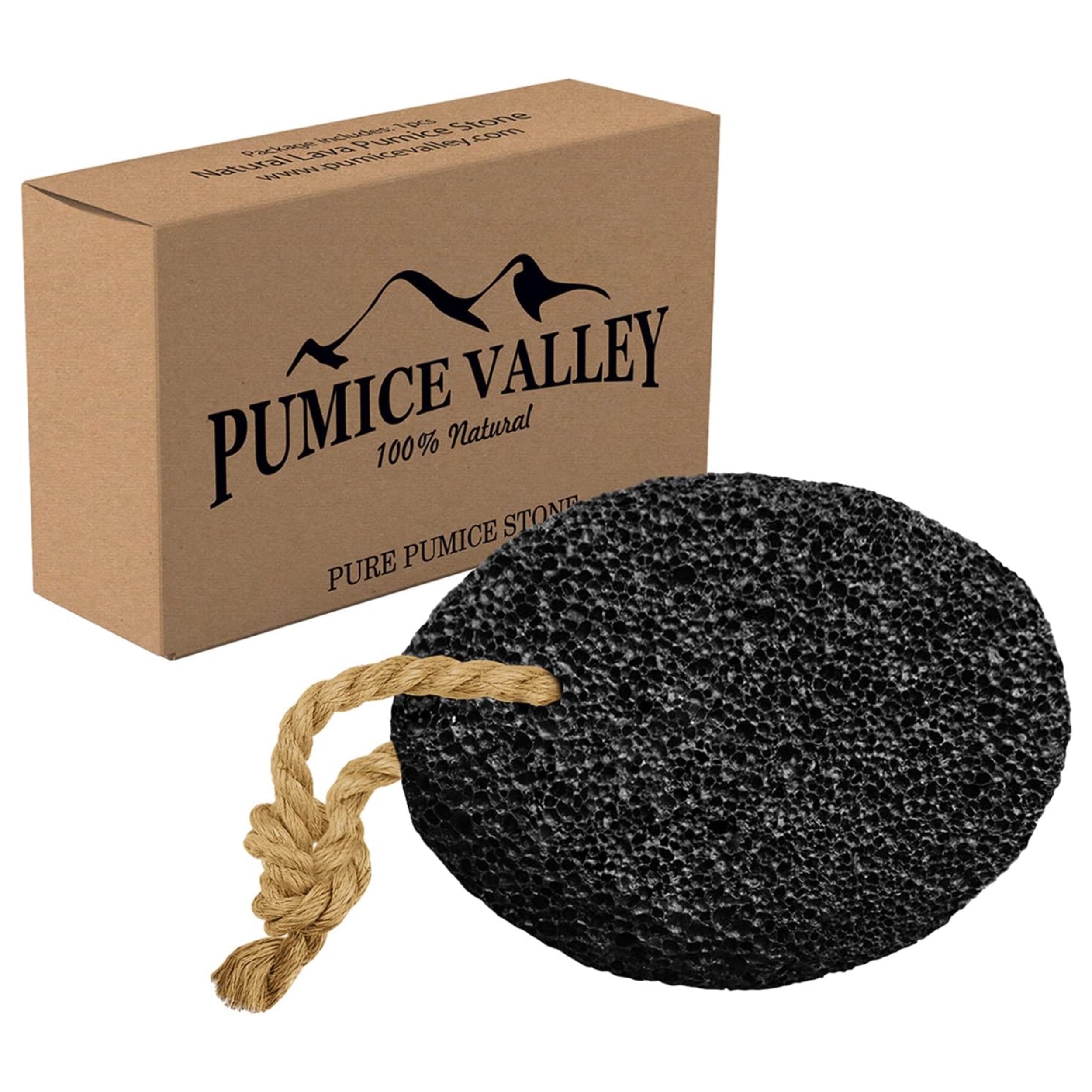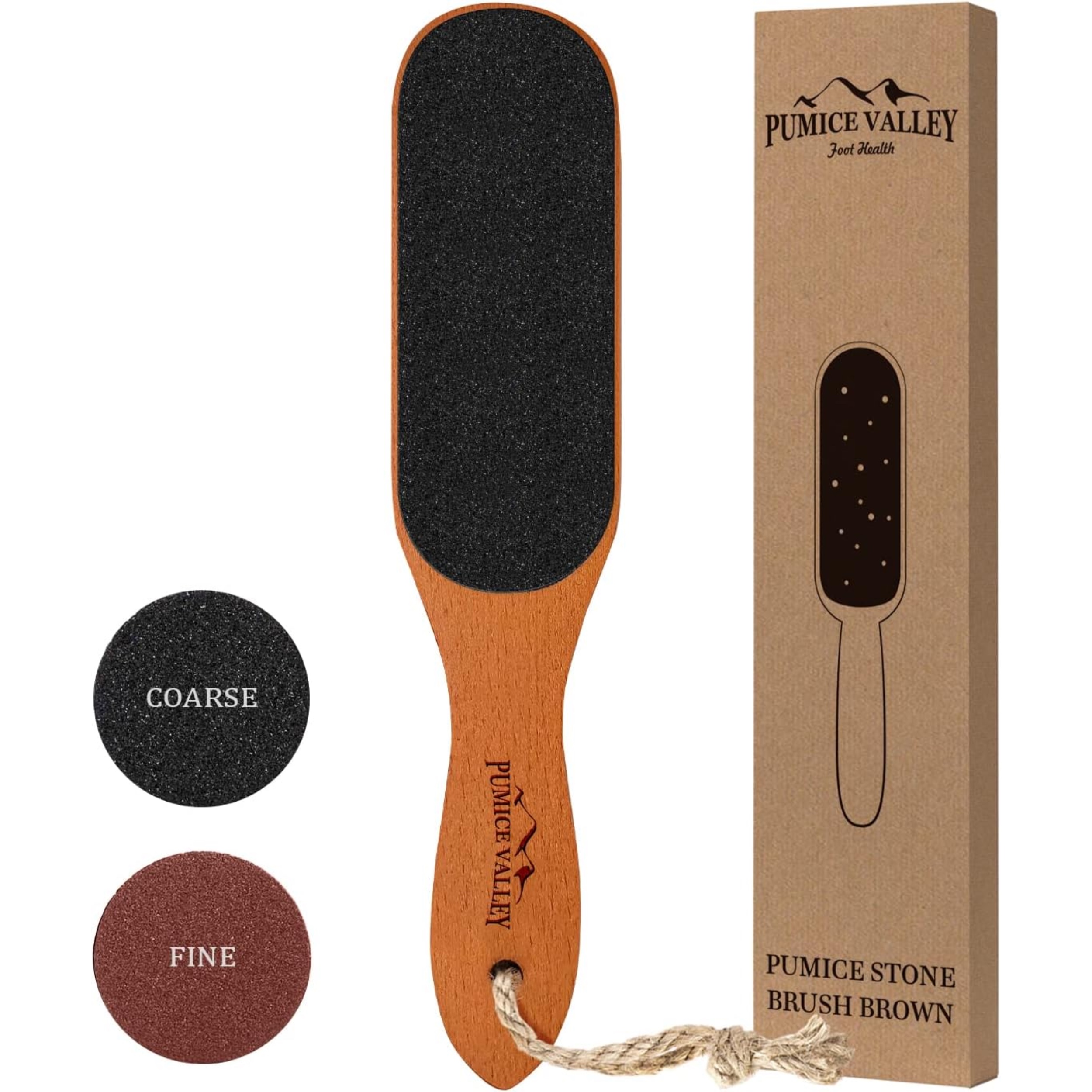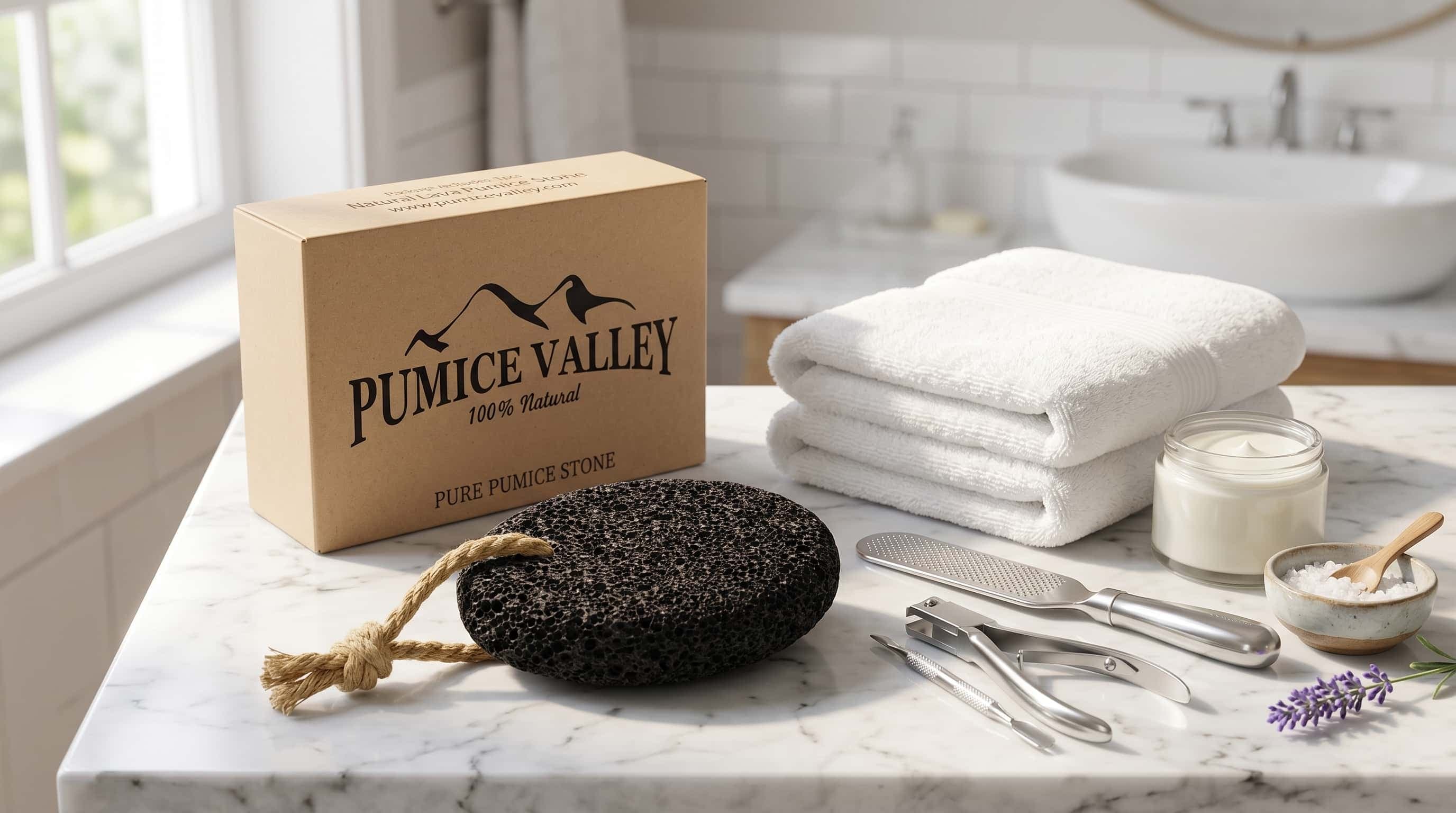
How Long Does a Pumice Stone Last? When to Replace It
浮石多久该更换一次
How long does a pumice stone last? There is no fixed lifespan—learn the practical signs that it is worn, hard to clean, damaged, or no longer effective.
If you are wondering how long a pumice stone lasts, there is no reliable fixed lifespan. Replace it when it becomes worn, difficult to clean, damaged, or less effective—not simply when a certain number of weeks or months has passed.
For many people, the question is less about a perfect calendar date and more about hygiene and performance.
A pumice stone does not last forever. Over time it can wear down, stay damp too long, hold onto residue, or stop feeling effective on rough skin.
Quick Answer
You should replace a pumice stone when:
- it looks worn down or smoother than before
- it no longer exfoliates effectively
- it stays stained or dirty even after cleaning
- it develops odor or residue buildup
- it has cracks or damage
- it repeatedly stays damp or cannot dry fully between uses
If you use a pumice stone often, inspect it regularly and replace it when it no longer feels clean, intact, or useful. For cleaning and drying steps, see our guide to cleaning a pumice stone.
Replacement Checklist
Replace the stone if you answer yes to any of these questions:
- Has the textured surface become noticeably smooth?
- Does it work less effectively even when your routine has not changed?
- Does it remain stained, gritty, or coated with residue after washing?
- Does an odor remain after it has been cleaned and dried?
- Is it cracked, crumbling, sharp, or uncomfortable to hold?
- Does it stay damp because it cannot dry properly where it is stored?
One sign can be enough if the stone is damaged or uncomfortable. If the issue is only reduced texture, you may be seeing normal wear rather than a cleaning problem.
Why Pumice Stones Do Not Last Forever
A pumice stone is a friction tool.
That means its job depends on texture.
As it gets older, a few things can happen:
- the surface wears down
- dead skin and residue collect in the pores
- it stays damp longer if stored poorly
- bacteria and odor become more of a concern
That does not mean every pumice stone becomes unsafe overnight. It means regular use changes the condition of the tool, and eventually replacement makes more sense than trying to stretch it forever.
The Main Signs It Is Time To Replace It
1. It no longer works well
If your routine has not changed but the stone suddenly feels much less effective, wear may be the reason.
A tool that has become smoother over time may not reduce rough buildup the same way it once did.
2. It still looks dirty after cleaning
Pumice can trap residue inside its porous texture.
If you rinse it, wash it, and let it dry properly but it still looks heavily stained or loaded with buildup, replacement is usually more practical.
3. It smells off
A lingering odor is a bad sign.
That can suggest moisture retention, residue buildup, or hygiene issues that make the tool less appealing to keep using.
4. It is cracked or damaged
A damaged stone can become harder to clean and less comfortable to use.
If the surface is breaking apart or feels awkward in the hand, it is time to let it go.
How To Make a Pumice Stone Last Longer
If you want better longevity, care matters.
After use:
- rinse the stone well
- remove visible residue
- let it dry completely
- avoid leaving it damp in a closed container
Storage matters more than people think.
If a pumice stone stays wet for long periods, it becomes harder to keep feeling fresh and clean.
It also helps not to share it with other people.
For hygiene reasons, a pumice stone is better treated as a personal-use tool.
How Often Do People Usually Replace One?
There is no single timeline that fits everyone.
Someone who uses a pumice stone lightly and keeps it dry may keep it longer than someone who uses it several times a week and stores it poorly.
What matters most is whether the stone is still:
- textured enough to work
- easy to keep clean
- odor-free
- structurally intact
Those practical checkpoints are more useful than forcing one number onto every situation.
Can an Old Pumice Stone Become Unhygienic?
Potentially, yes.
Pumice is porous, which is part of why care matters.
If residue builds up and the stone stays damp repeatedly, it becomes harder to keep clean from a hygiene standpoint even before it is completely worn out.
That does not mean you need to panic about every stone. It means you should avoid treating it like something that lasts indefinitely without attention.
If it looks questionable, smells questionable, or feels impossible to clean and dry well, replacement is the cleaner choice.
Should You Clean It After Every Use?
Yes, at least in a basic way.
After each use, rinse away loosened skin and let the stone dry thoroughly. Follow the full pumice stone cleaning guide when it needs more than a quick rinse.
If it is used regularly, occasional deeper cleaning helps, but drying is just as important as rinsing.
A stone that is always damp will not age as well as one that is allowed to dry fully between uses.
When Not To Keep “Saving” It
Some people keep old tools for too long because they still technically exist.
But if your pumice stone is:
- barely exfoliating
- visibly worn
- permanently grimy
- damaged
- unpleasant to use
then replacing it is probably more sensible than trying to revive it.
Final Verdict
You should replace a pumice stone when it no longer feels clean, effective, or intact. There is no universal answer to “how long does a pumice stone last”; its condition matters more than its age.
There is no perfect universal schedule, but a worn-down, stained, damaged, or persistently damp-feeling stone is a clear sign it is time.
Good care can extend its life. Good judgment tells you when it is no longer worth keeping.
FAQ
How often should you replace a pumice stone?
There is no single rule for everyone, but you should replace it when it becomes worn, hard to clean, damaged, or less effective on rough skin.
How long does a pumice stone last?
There is no fixed lifespan. A lightly used stone stored properly can last longer than one used often and left damp, so replace it when it becomes worn, hard to clean, damaged, or less effective.
Should you clean a pumice stone after every use?
Yes. Rinsing away residue and letting it dry fully after each use helps maintain hygiene and performance.
Can pumice stones hold bacteria?
Because pumice is porous, residue and moisture can build up if the stone is not cleaned and dried properly. That is one reason a persistently damp or hard-to-clean stone should be replaced.
Can you share a pumice stone?
It is better not to. A pumice stone is a personal-use foot-care tool, and sharing it is not ideal from a hygiene standpoint.
FAQ
How often should you replace a pumice stone?^
There is no single rule for everyone, but you should replace it when it becomes worn, hard to clean, damaged, or less effective on rough skin.
How long does a pumice stone last?^
There is no fixed lifespan. A lightly used stone stored properly can last longer than one used often and left damp, so replace it when it becomes worn, hard to clean, damaged, or less effective.
Should you clean a pumice stone after every use?^
Yes. Rinsing away residue and letting it dry fully after each use helps maintain hygiene and performance.
Can pumice stones hold bacteria?^
Because pumice is porous, residue and moisture can build up if the stone is not cleaned and dried properly. That is one reason a persistently damp or hard-to-clean stone should be replaced.
Can you share a pumice stone?^
It is better not to. A pumice stone is a personal-use foot-care tool, and sharing it is not ideal from a hygiene standpoint.