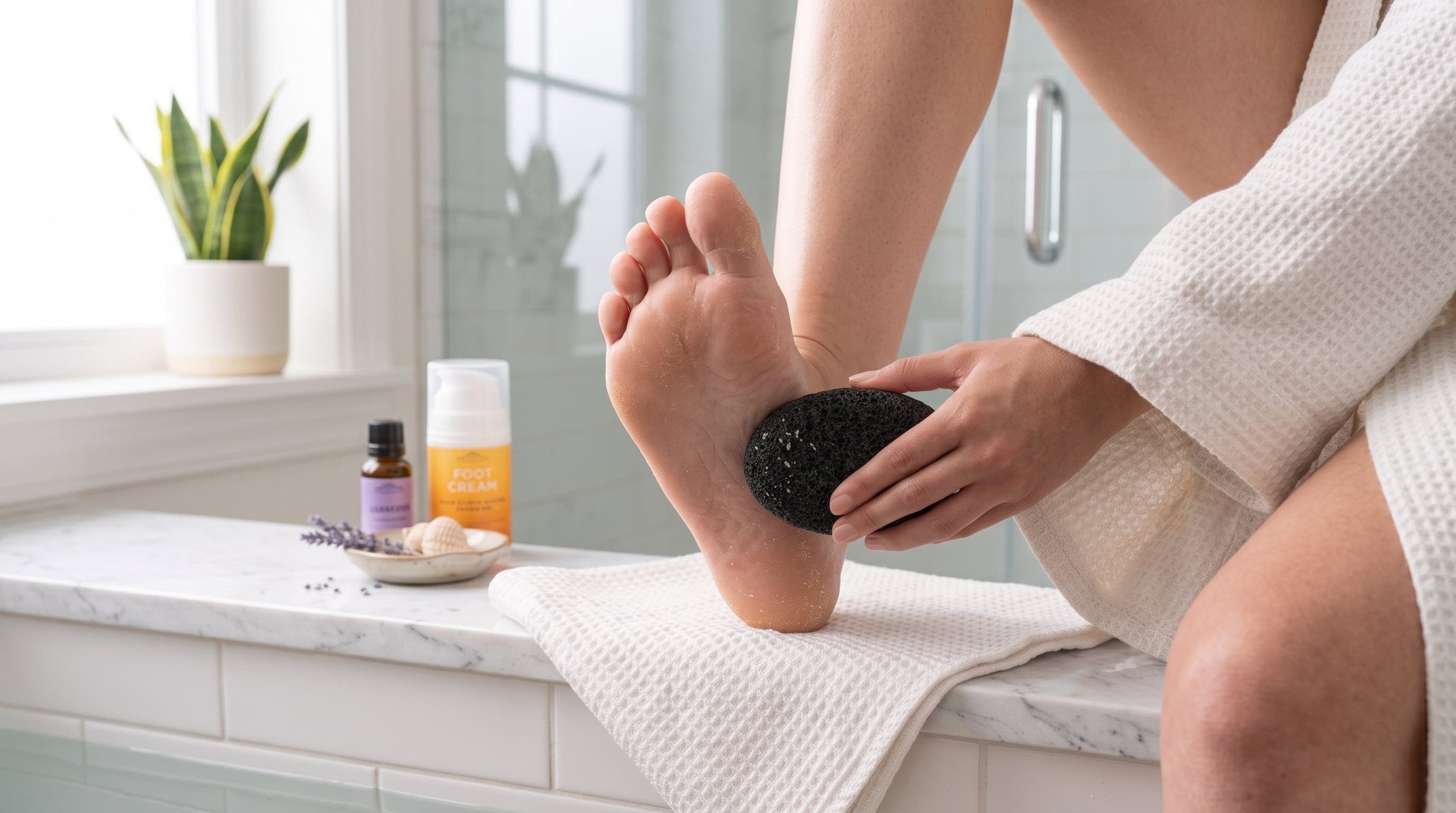
How to Care for Rough, Cracked Heels — A Simple Daily Routine
Dry, cracked heels are common — but they don’t need aggressive treatments. Learn a simple, natural routine using pumice and daily care to restore softness and comfort over time.
Thoughts on natural foot care, daily rituals, and the materials that support healthy skin. Practical guidance, written with intention
New here? Start with our pillar page for the full overview of pumice stones for feet, then explore the supporting articles below.

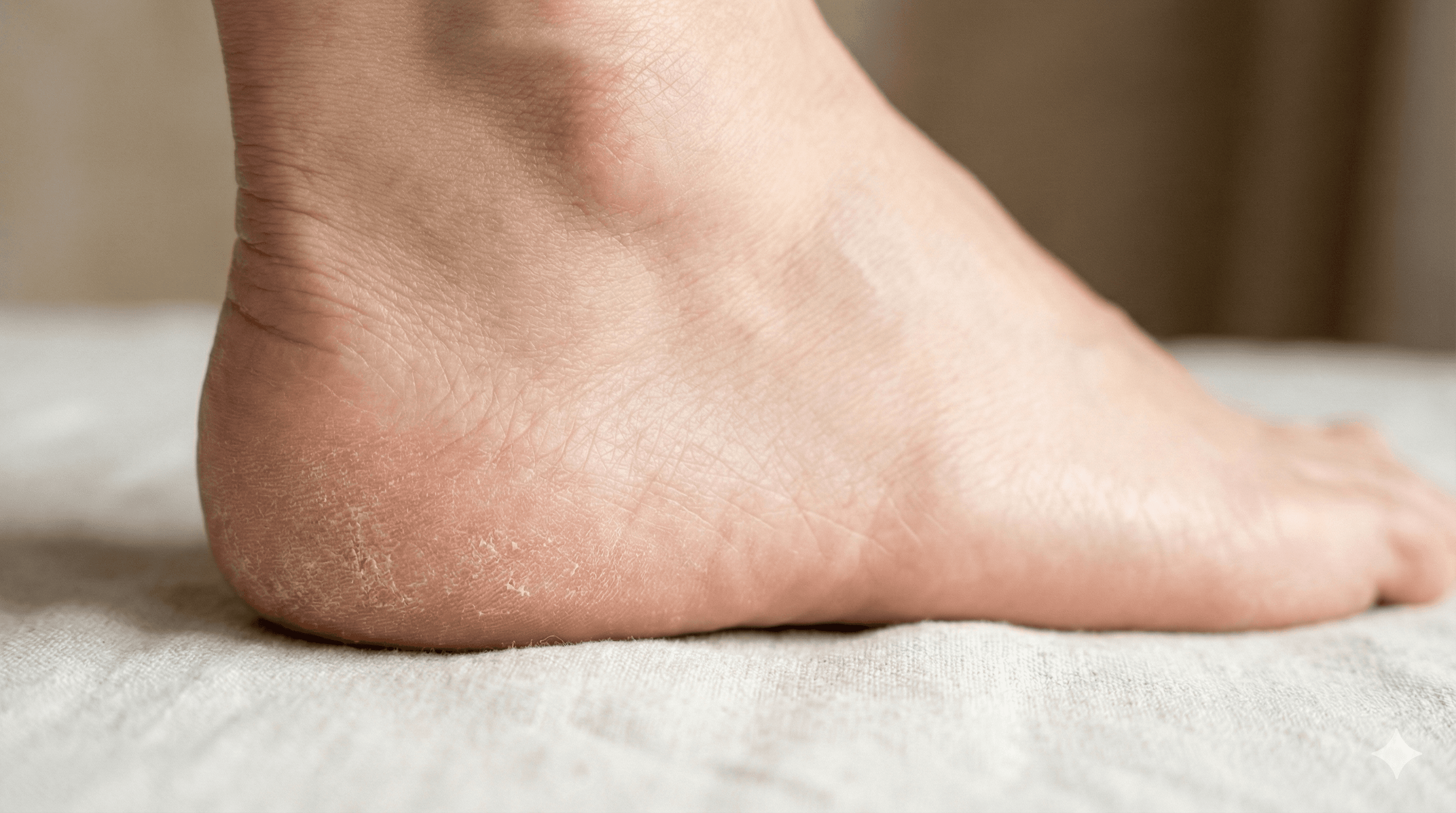
Dry, cracked heels are common — but they don’t need aggressive treatments. Learn a simple, natural routine using pumice and daily care to restore softness and comfort over time.

Why do your feet feel rough again after exfoliating? Dryness, friction, thick buildup, and over-scrubbing can all shorten the result. Learn a practical routine that is gentler and easier to maintain.

Cracked heels and calluses need different care. Learn which pumice texture and routine fit each problem—and when not to exfoliate cracked skin.

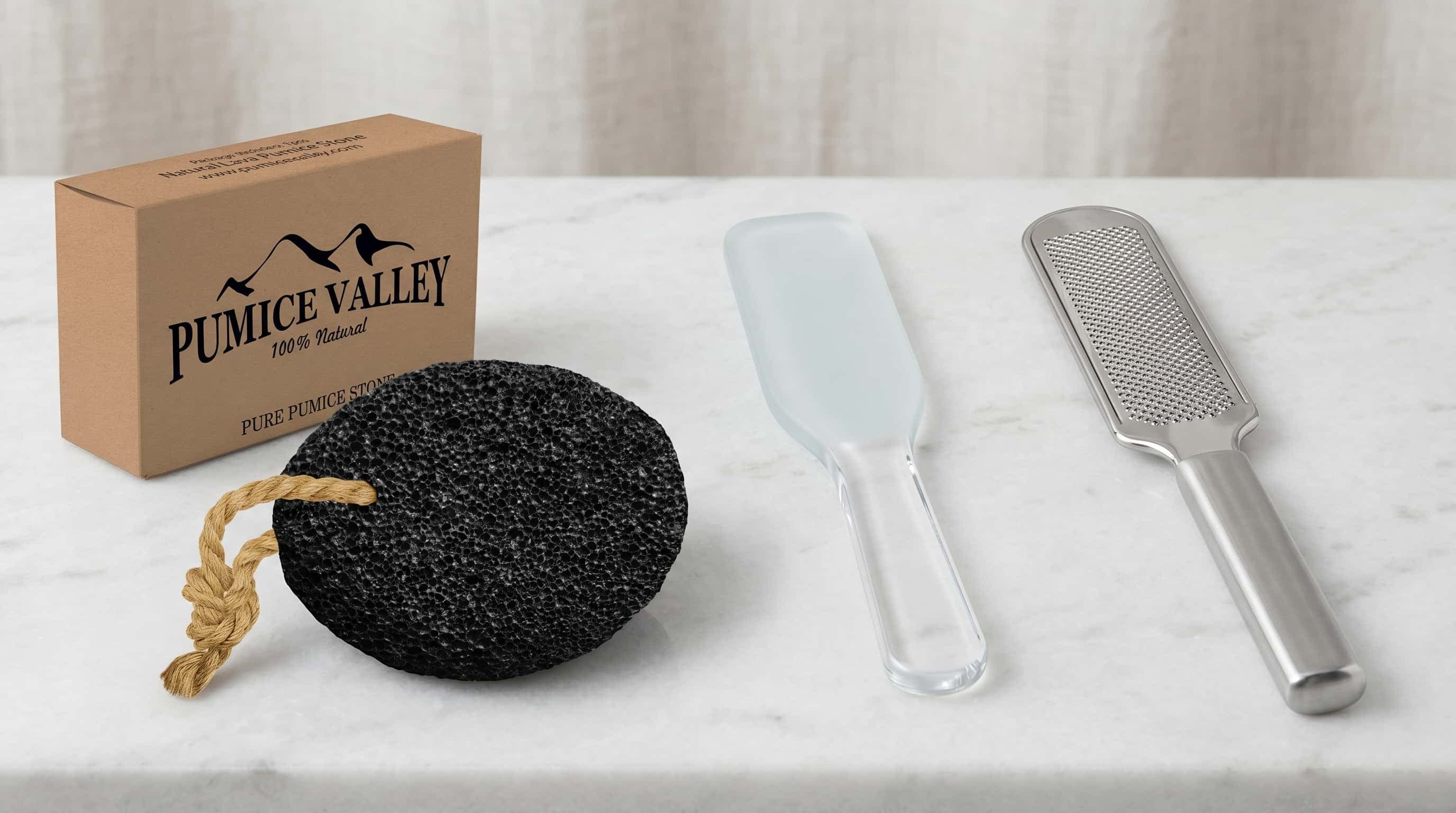
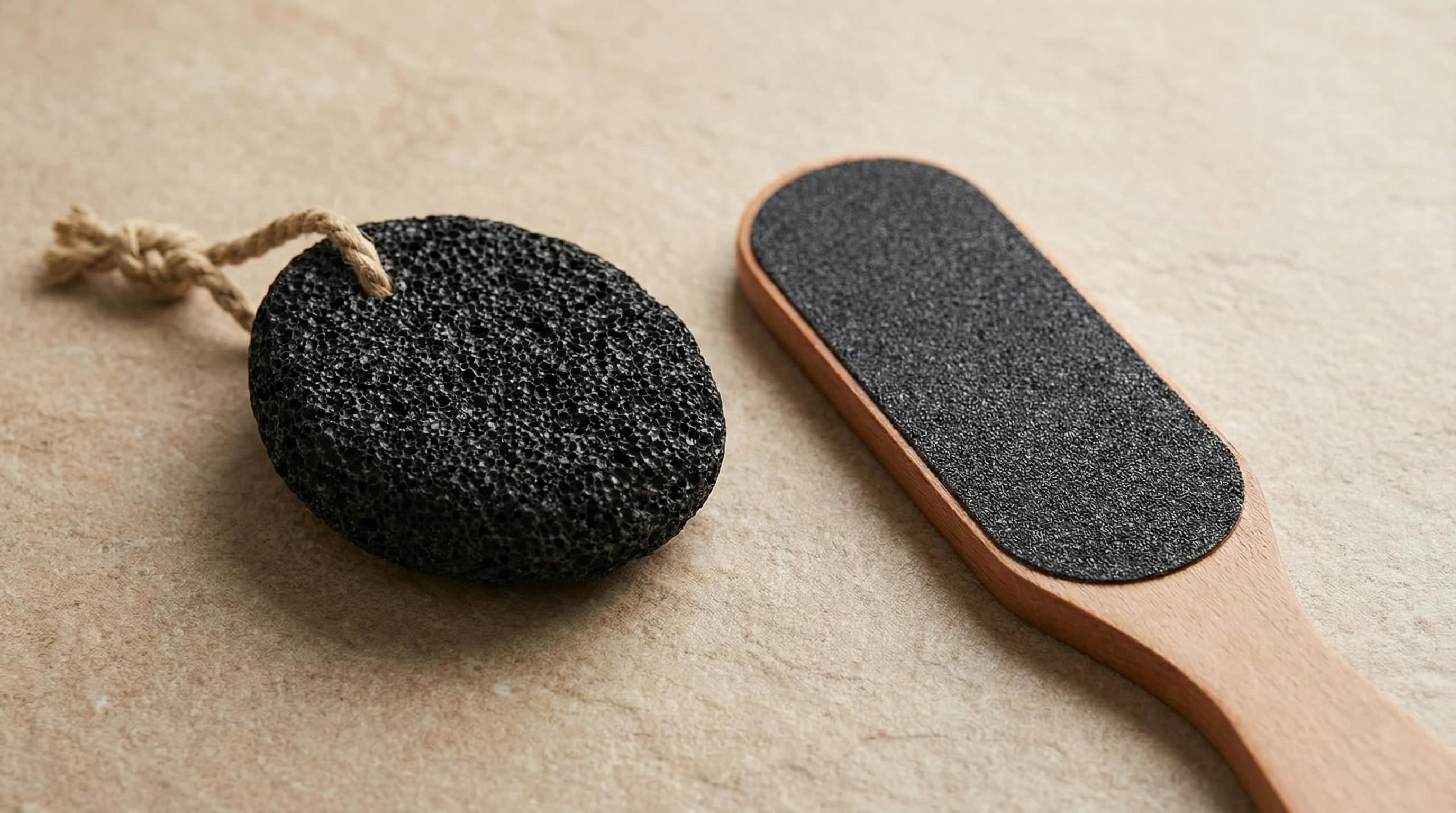
Glass foot files, pumice stones, and foot rasps work differently. Compare all three to choose the right tool for rough heels, thicker calluses, and gentler maintenance.

How long does a pumice stone last? There is no fixed lifespan—learn the practical signs that it is worn, hard to clean, damaged, or no longer effective.
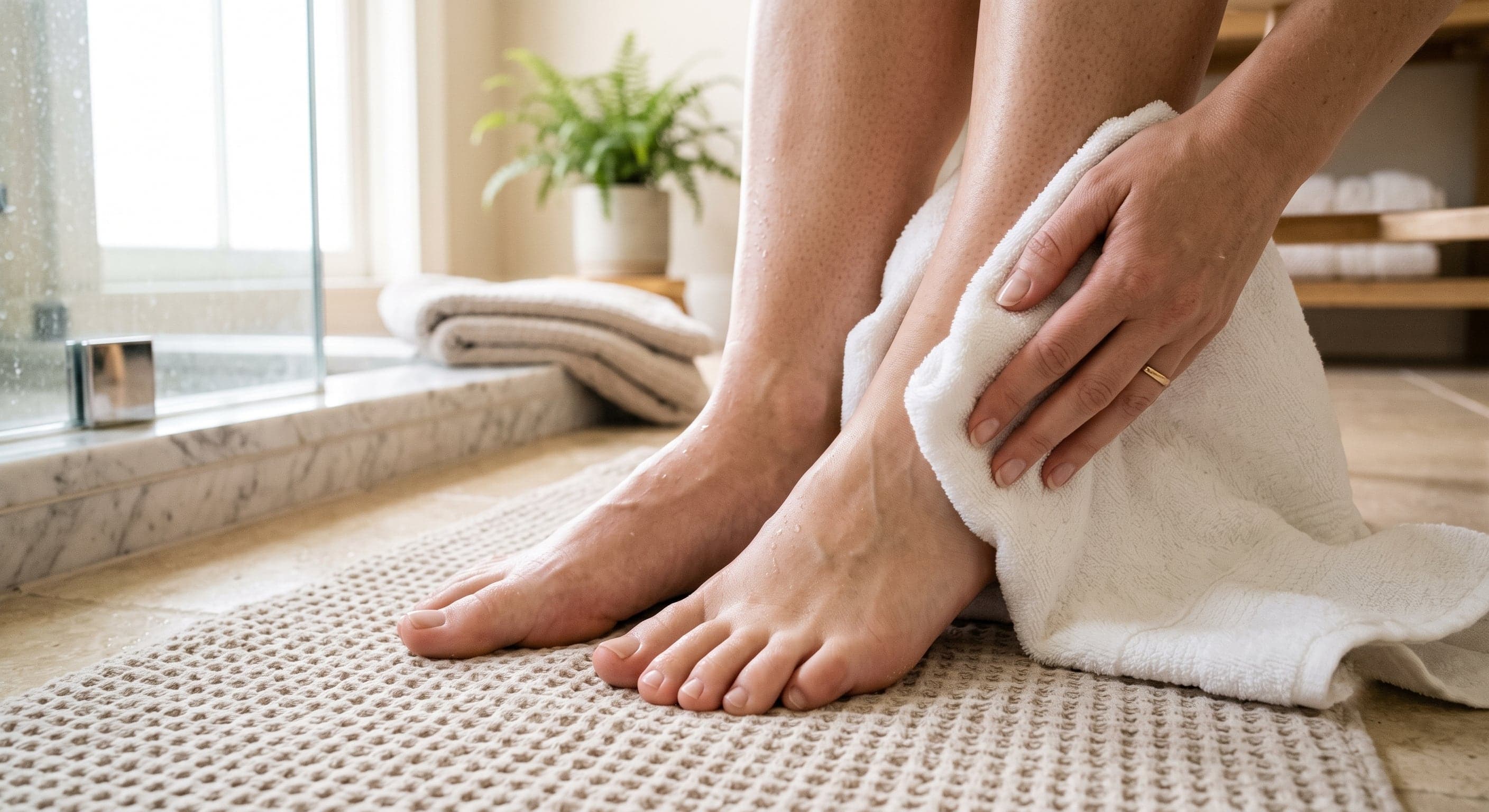
Should you use a pumice stone wet or dry? For most people, softened damp skin is easier to exfoliate gently than completely dry feet. Learn the safer method, when to pause, and how to care for the stone afterward.

Do pumice stones work on feet? They can smooth uncomplicated roughness when used correctly. Learn why yours may not be working and how to adjust the routine without over-scrubbing.

Summer foot care is not just about softer heels. This routine helps manage dryness, sweat, friction, and sun exposure so feet stay more comfortable all season.

Dry feet respond better when the formula matches the problem. Compare the ingredients that help with hydration, rough buildup, cracked heels, and long-term softness.

Is Vaseline good for cracked heels? Learn what petroleum jelly helps with, what it cannot fix on its own, and how to use it as part of a cautious heel-care routine.

Urea and shea butter both support dry feet, but they do different jobs. Learn which ingredient better suits rough heels, mild dryness, and a simple, consistent foot-care routine.

Discover the 7 most common causes of cracked heels, from dry skin and calluses to footwear and daily habits. Learn how to prevent heel cracks with a simple, consistent foot care routine.

Dry feet are often caused by thick skin, friction, and moisture loss. Learn why it happens, why some creams do not help, and the simple routine that works.

Most people notice dry, rough feet when summer begins — but few understand why it happens or how to fix it properly. This simple routine explains how to keep your feet soft, smooth, and healthy all season.

How often should you use a pumice stone or file your feet? Start with once weekly, learn when a second session may be reasonable, and follow a safer routine without over-exfoliating.

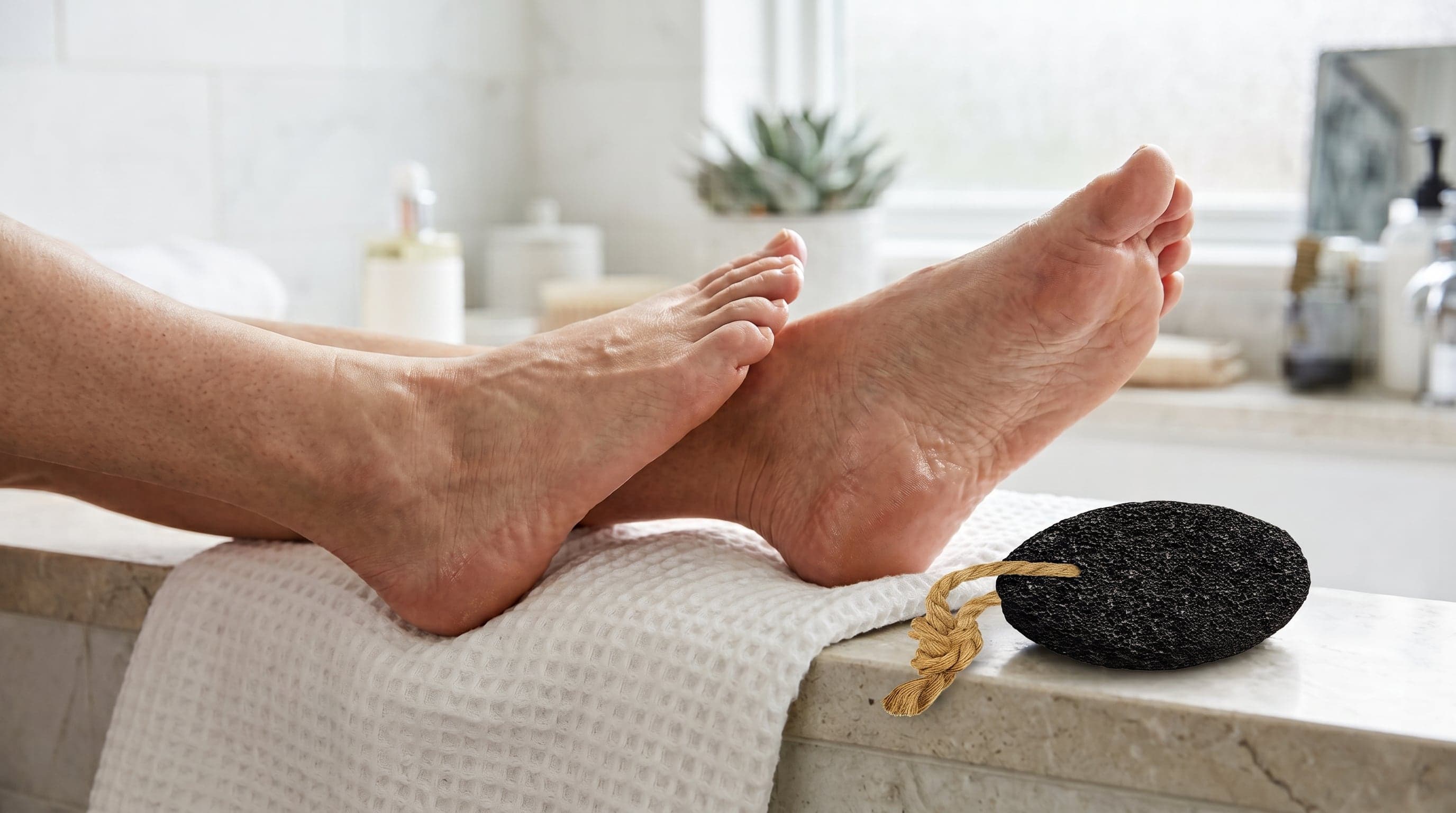
Natural volcanic pumice is a simple but powerful exfoliating tool. Learn why its unique texture makes it ideal for callused areas like feet — and how to use it gently and effectively in your care routine

Pumice stone or foot file? Compare the best tool for rough feet, sensitive skin, and thicker calluses—and learn how to use either one safely.

If your heels stay rough no matter what you try, the problem may be your routine. Here are the most common foot care mistakes — and how to fix them.

Get clear answers to common pumice stone questions: what they do, whether to use one wet or dry, how to use and clean one, when to replace it, and when to pause.

Looking for the best pumice stone for feet? Compare texture, grip, size, material, and cleaning needs to choose a controllable stone for your routine—plus a quick guide for different foot-care needs.
If you use foot cream every day and your heels still crack, the problem is usually not effort alone. Here is what your routine may be missing.

Most people wash their feet but skip the area around the toenails, where sand, sweat, sunscreen residue, and skin particles often remain. This small habit can make feet look and feel much cleaner.

Keeping your toenails clean is not just about appearance. Learn why daily nail cleaning improves foot hygiene and how to build a routine that takes less than two minutes.

Not every flaky foot problem is simple dryness. Here is how to tell whether you are dealing with dry heels, athlete's foot, or a mix of both.

If your feet never feel fully clean after a shower, the problem is often not the skin. It is the nail area, cuticle line, and side edges that ordinary washing tends to miss.

We give attention to our face, hands, hair, and nails, but often ignore the body part that carries us everywhere. Here is why feet deserve more care and which simple habits make the biggest difference.

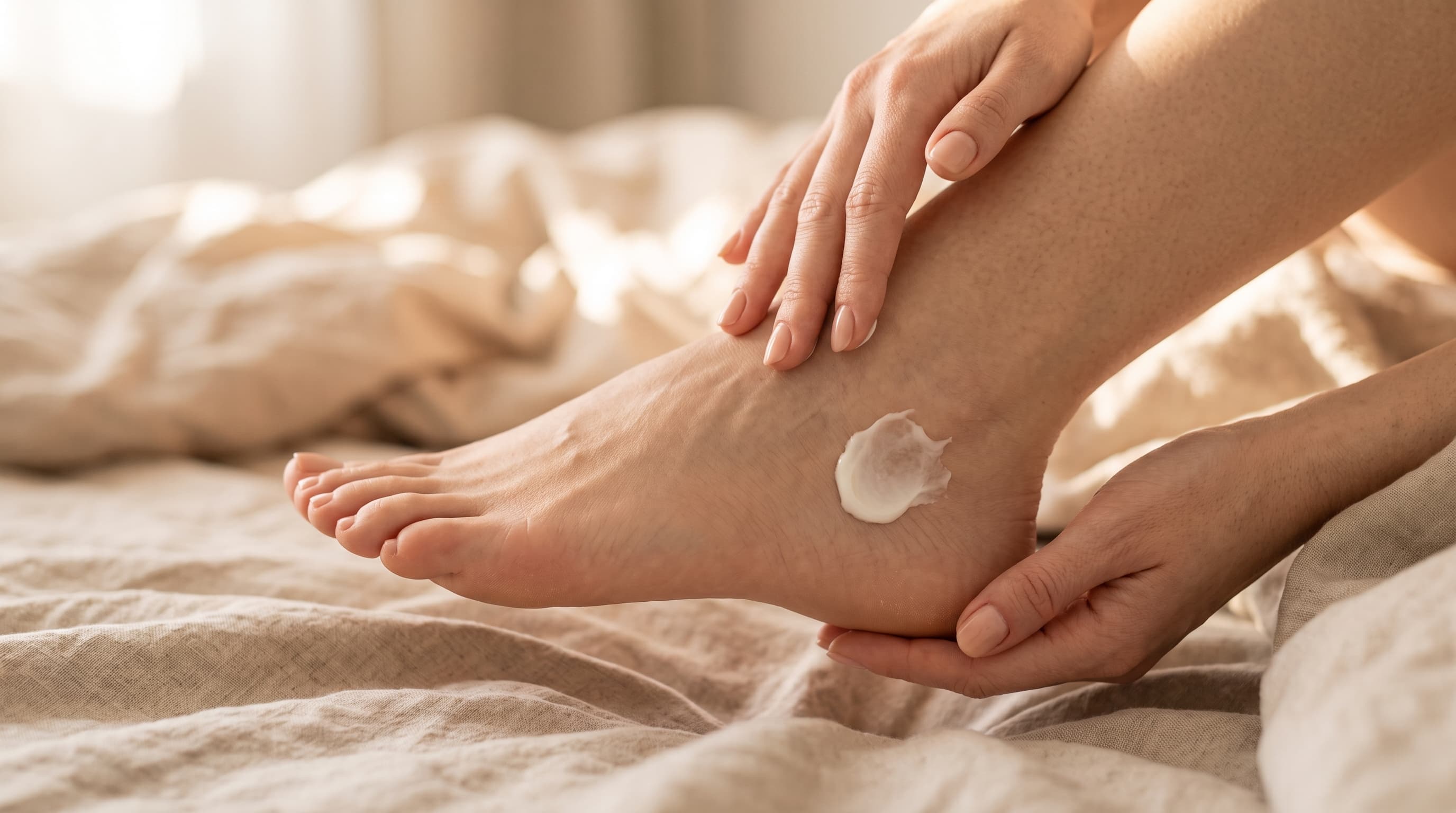
The best cracked-heel night routine is less about doing more and more about doing the right few things consistently. Here is a version that actually makes sense.

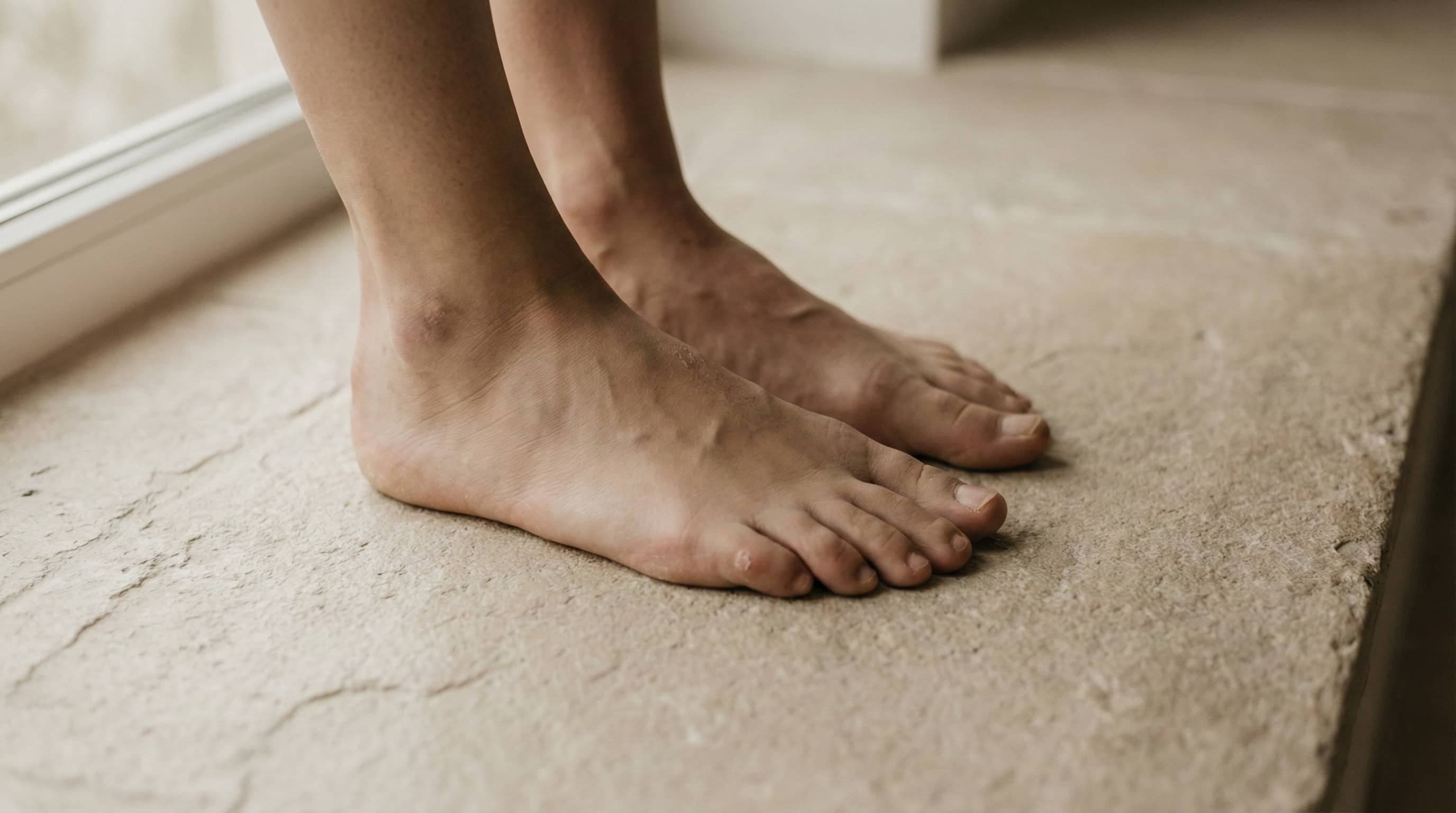
Cracked heels aren’t just a cosmetic issue — they can become painful fissures that make every step uncomfortable.

Pumice stones and electric callus removers are not interchangeable. Here is how to choose the better tool for thick heels without overdoing it.
Summer does not usually make feet dirtier from scratch. It exposes buildup around nails, dry skin, and calluses that everyday habits have been quietly building all along.

Cracked heels are easier to prevent than they are to fix. These simple habits help keep heels softer, more flexible, and less likely to split.

Rough feet usually build slowly from everyday habits, not one dramatic mistake. These are the seven patterns that most often keep the problem coming back.

Healthy-looking feet usually come from daily maintenance, not expensive rescue sessions. This two-minute habit helps feet stay cleaner, smoother, and more cared for.

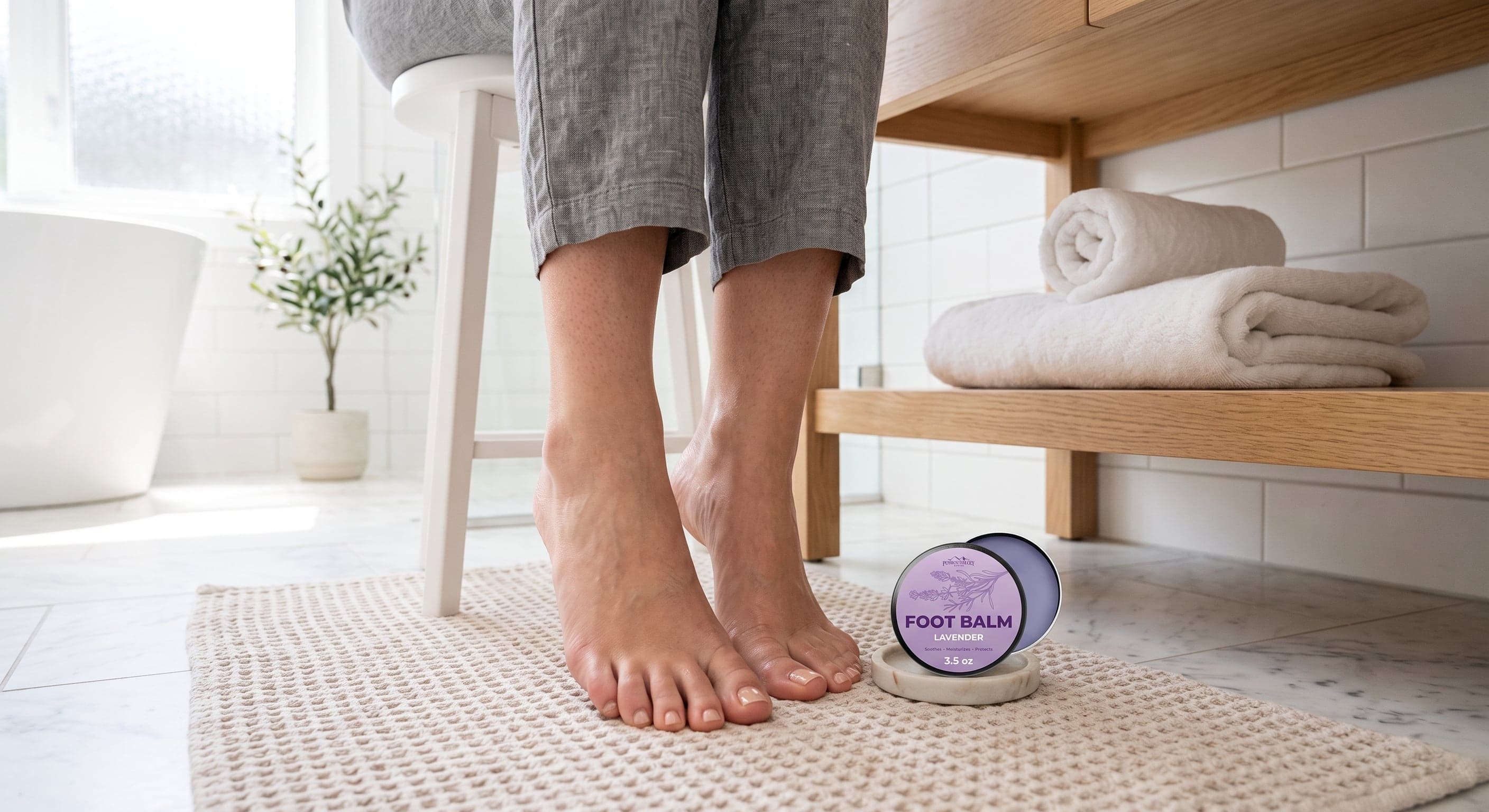
Using foot cream once in a while and using it often enough are very different things. Here is the routine that usually gets real results.

Peeling feet after summer can come from dryness, friction, over-exfoliation, or fungal irritation. The right fix depends on what pattern your skin is showing.

Self-care usually focuses on skin, hair, and wellness habits, but clean toenails are part of feeling fresh, cared for, and put together too.

Learn how to clean a pumice stone for feet: rinse it after every use, brush away trapped skin, wash it with mild soap, and let it dry completely to prevent buildup and odors.

People focus on heels and polish, but in summer the detail that changes how feet look most is often simple cleanliness around the nails. Clean nail edges make feet look fresher, healthier, and more put together.

Before you try to file a rough spot, check the pattern. A callus is usually broad and spread out; a corn is usually smaller, more focused, and can feel tender when direct pressure lands on it. Both come from pressure or...

Monthly pedicures can refresh feet, but tiny daily habits usually do more to prevent dryness, roughness, and buildup from returning. Two minutes of regular care beats one big reset.