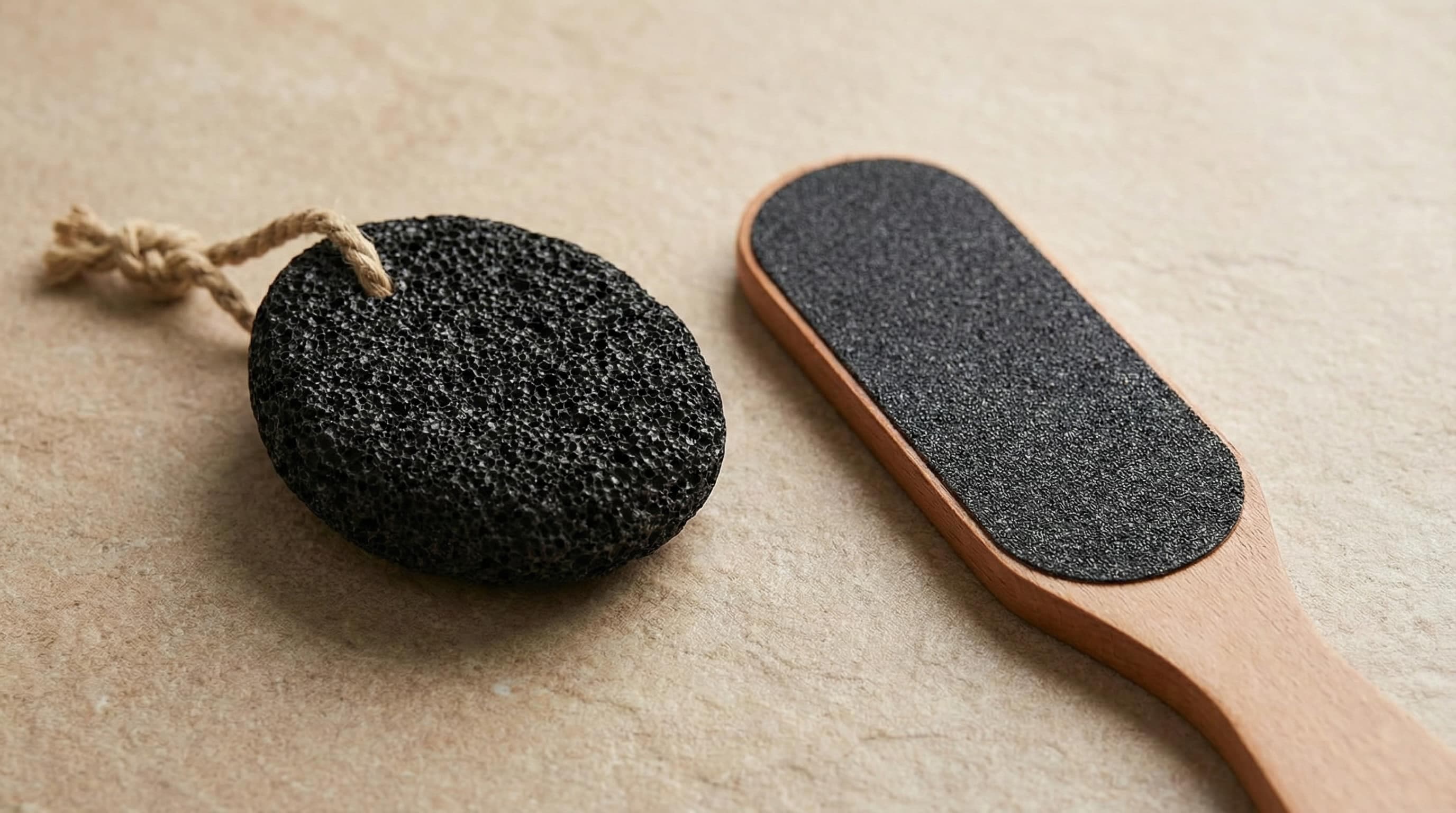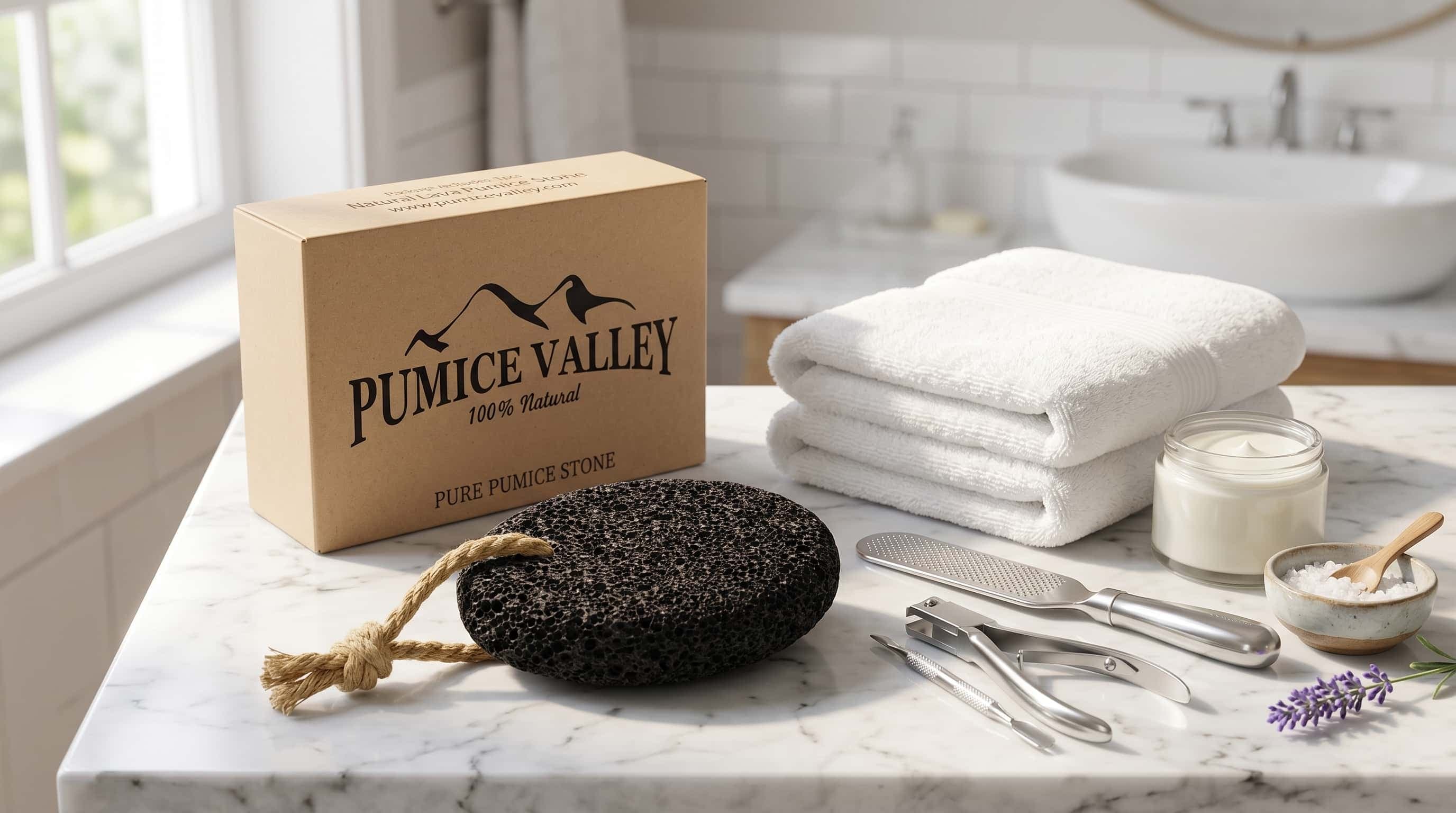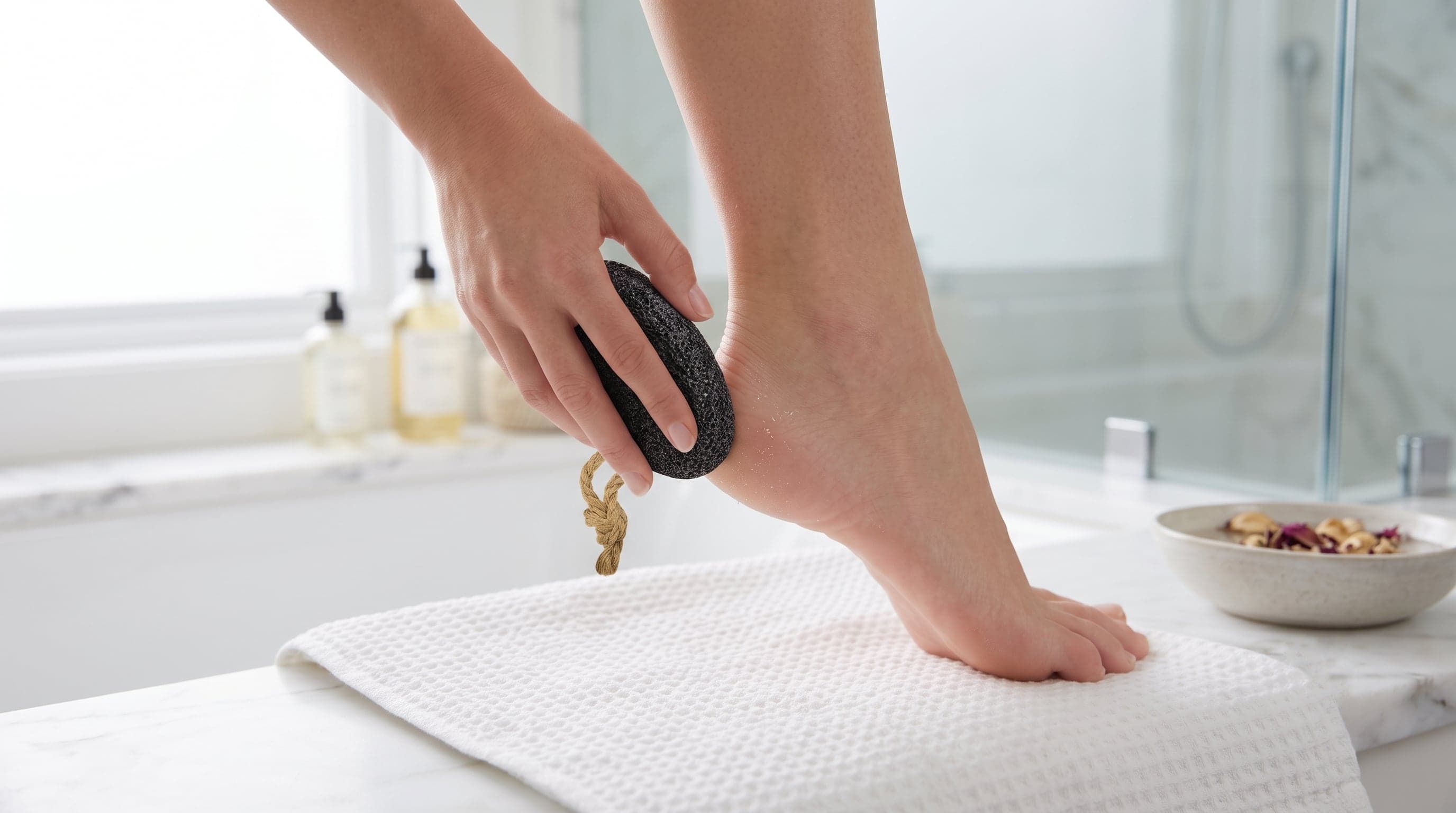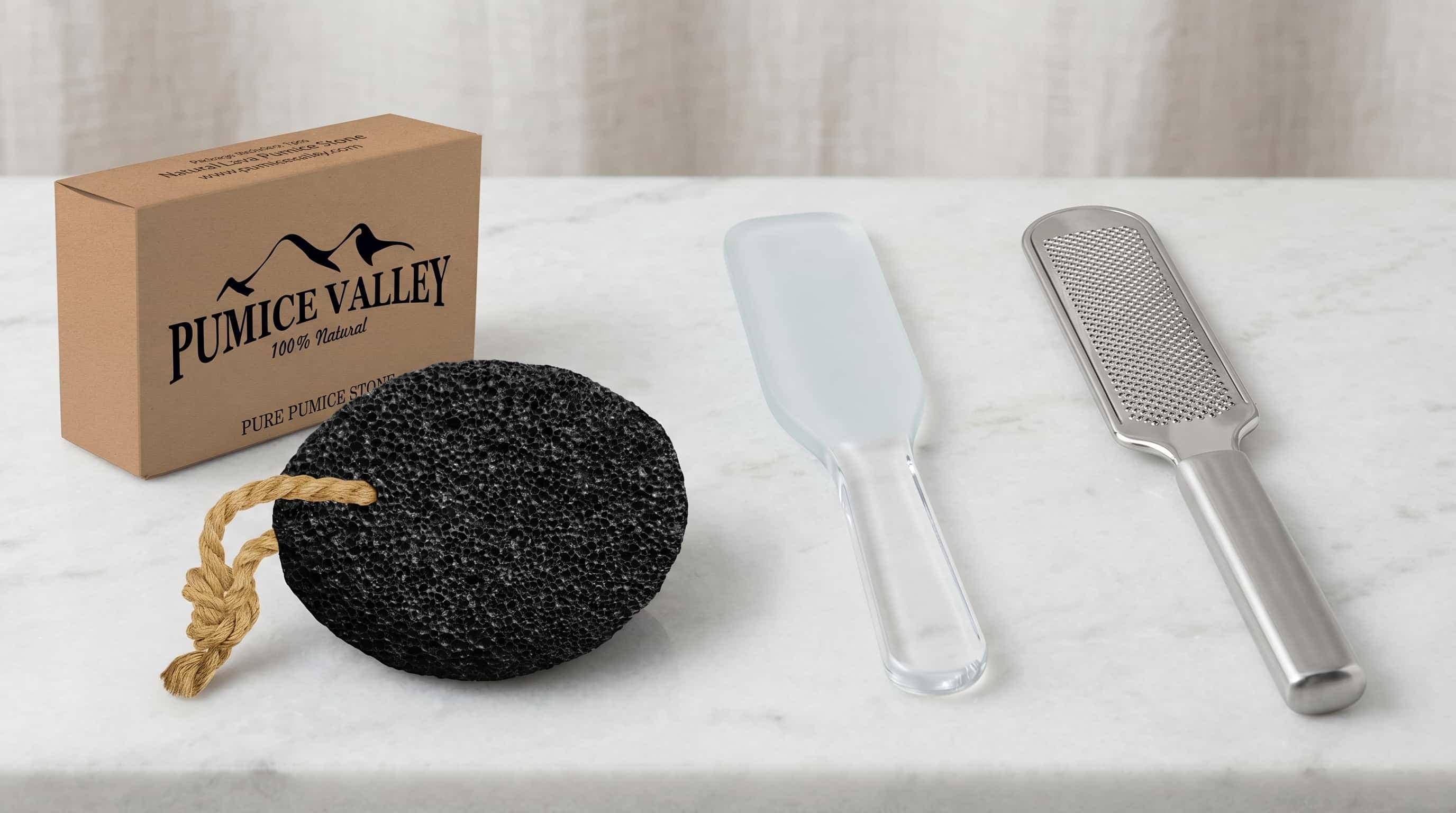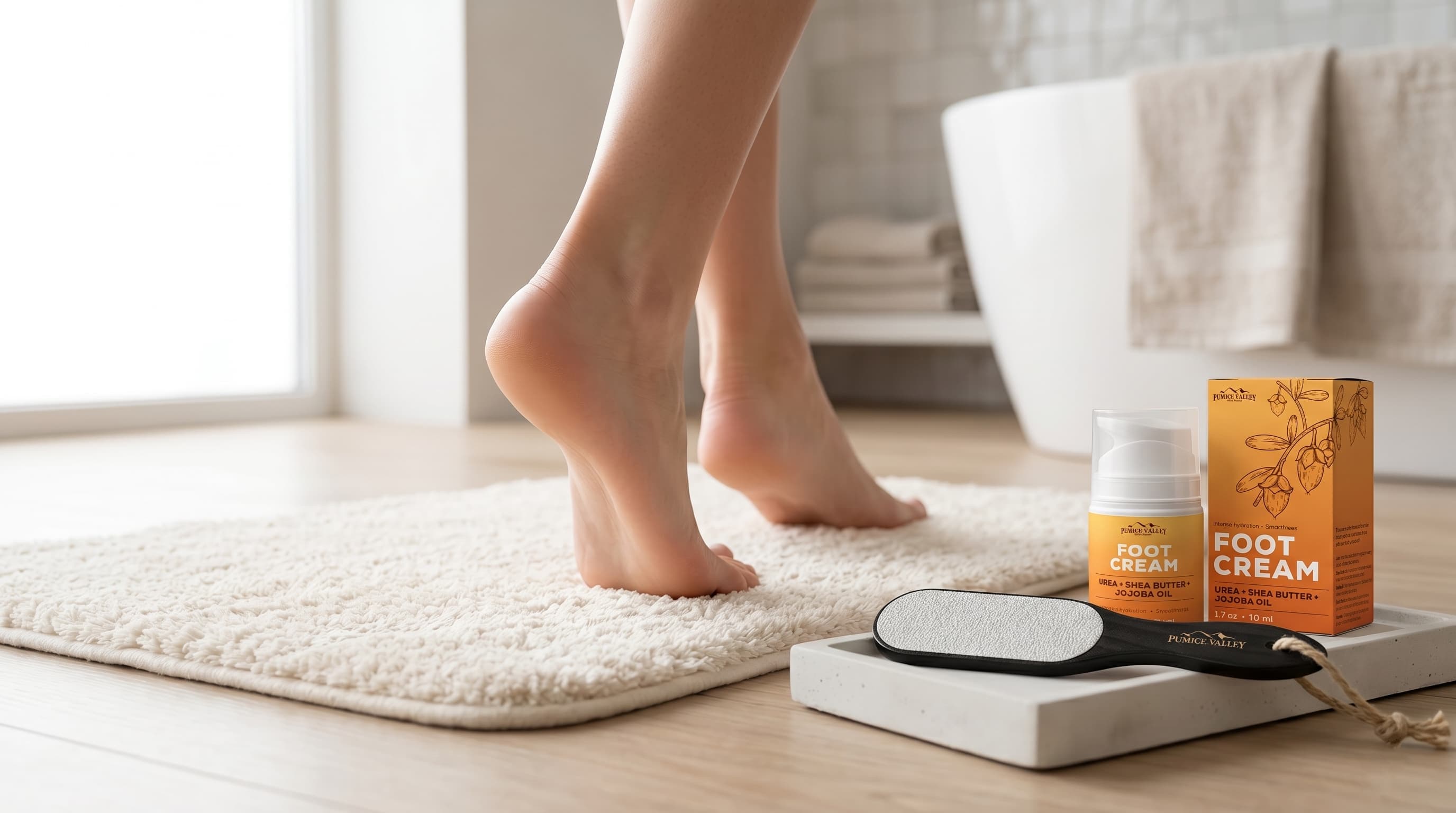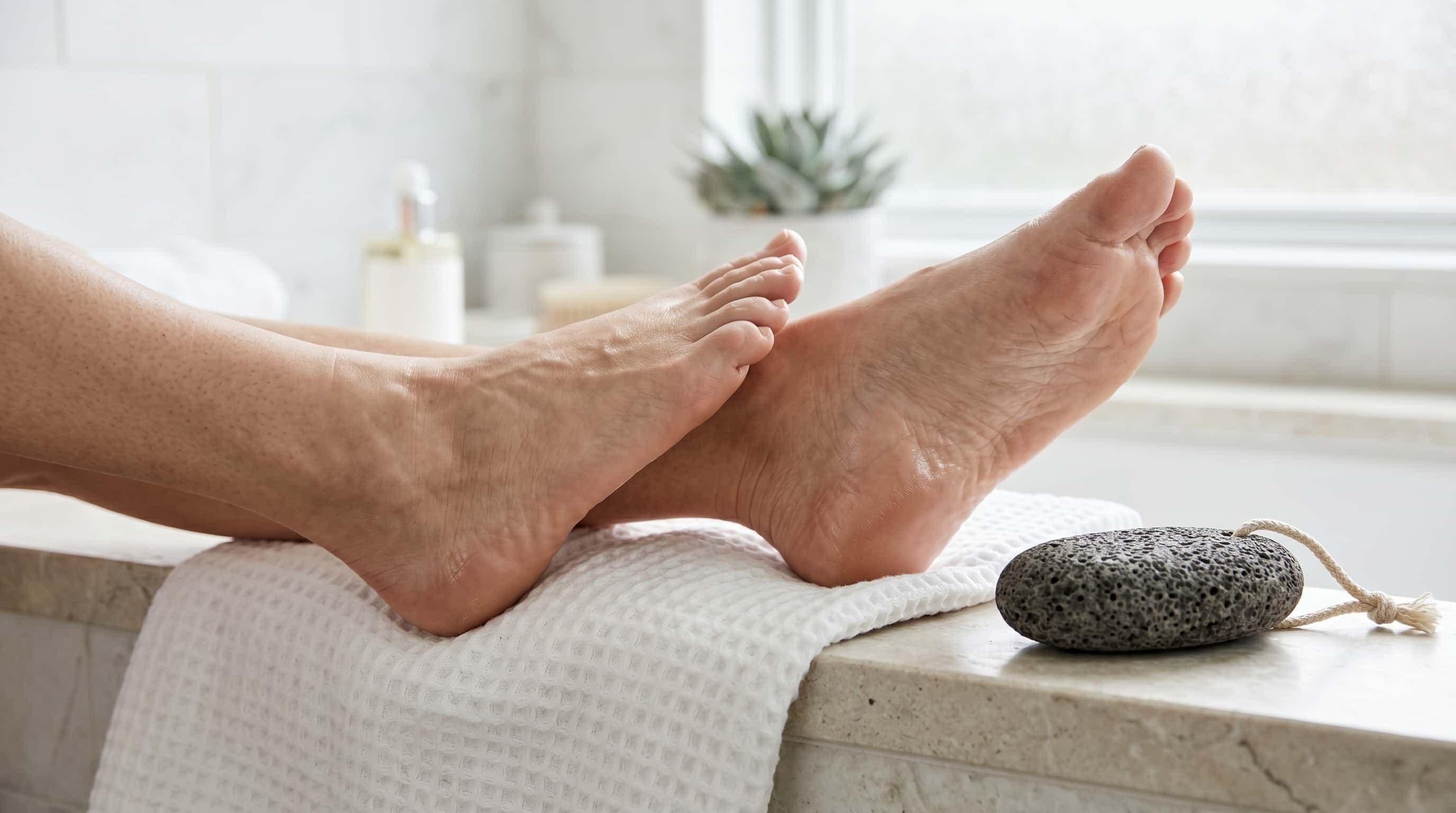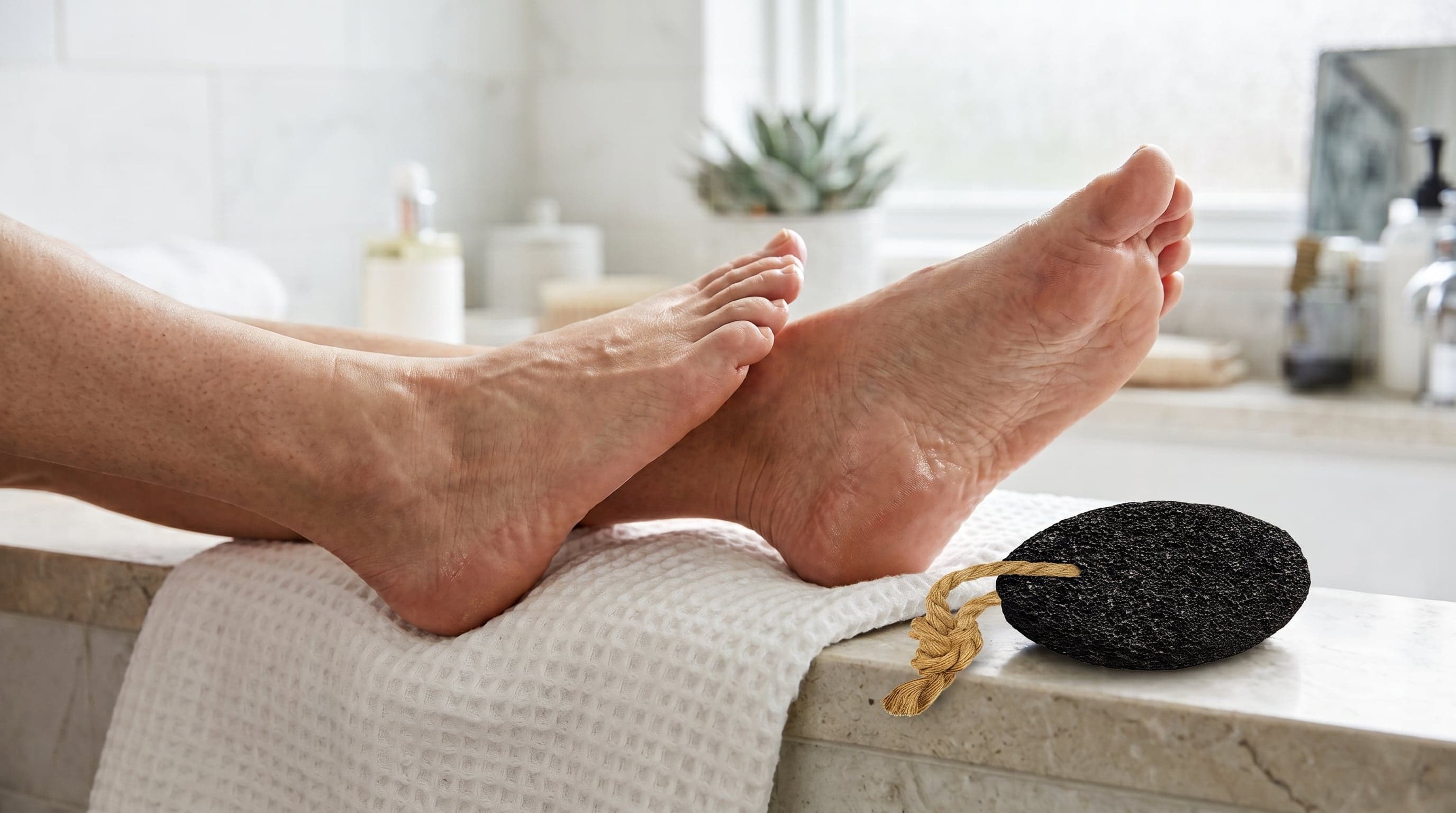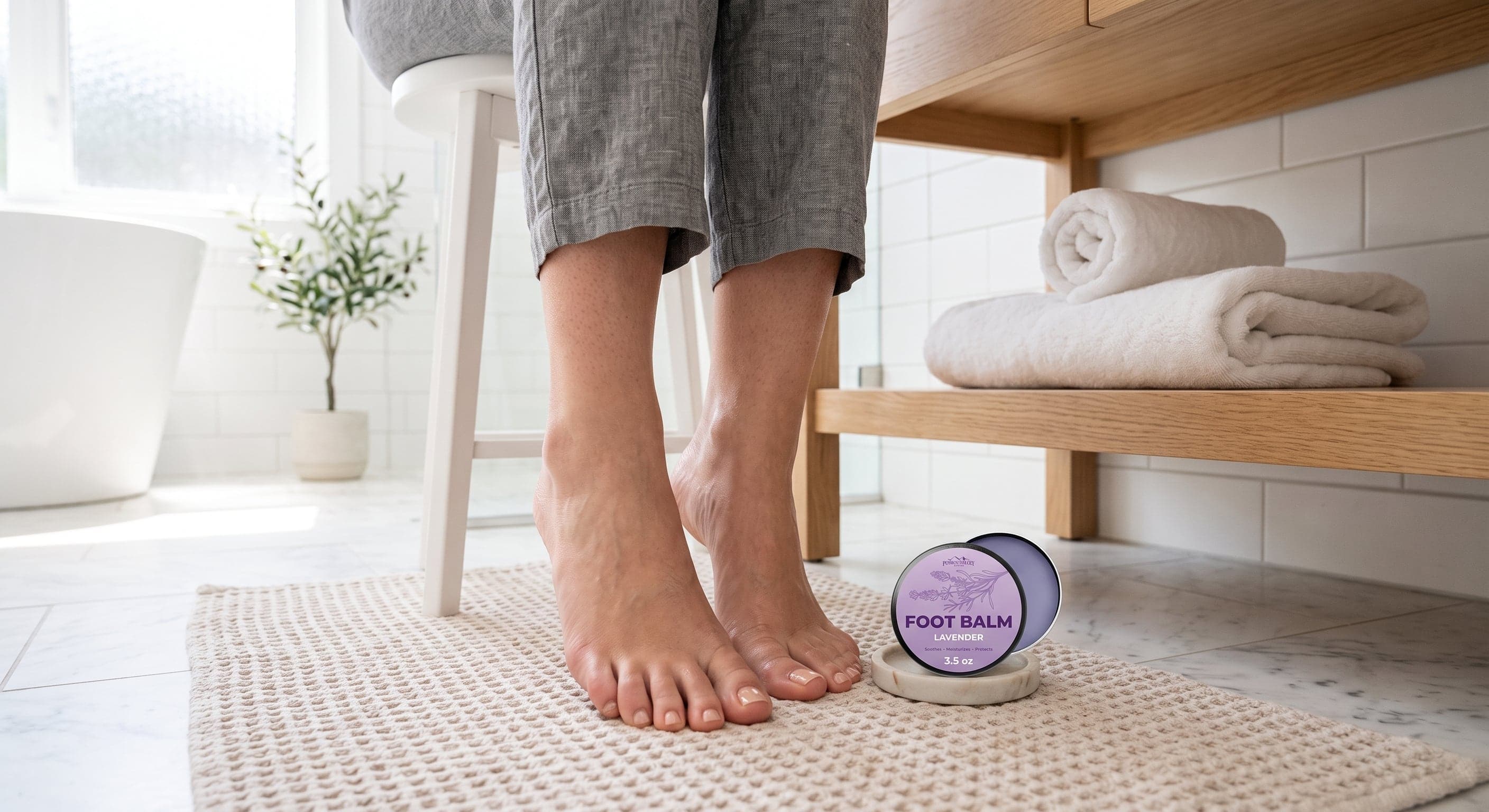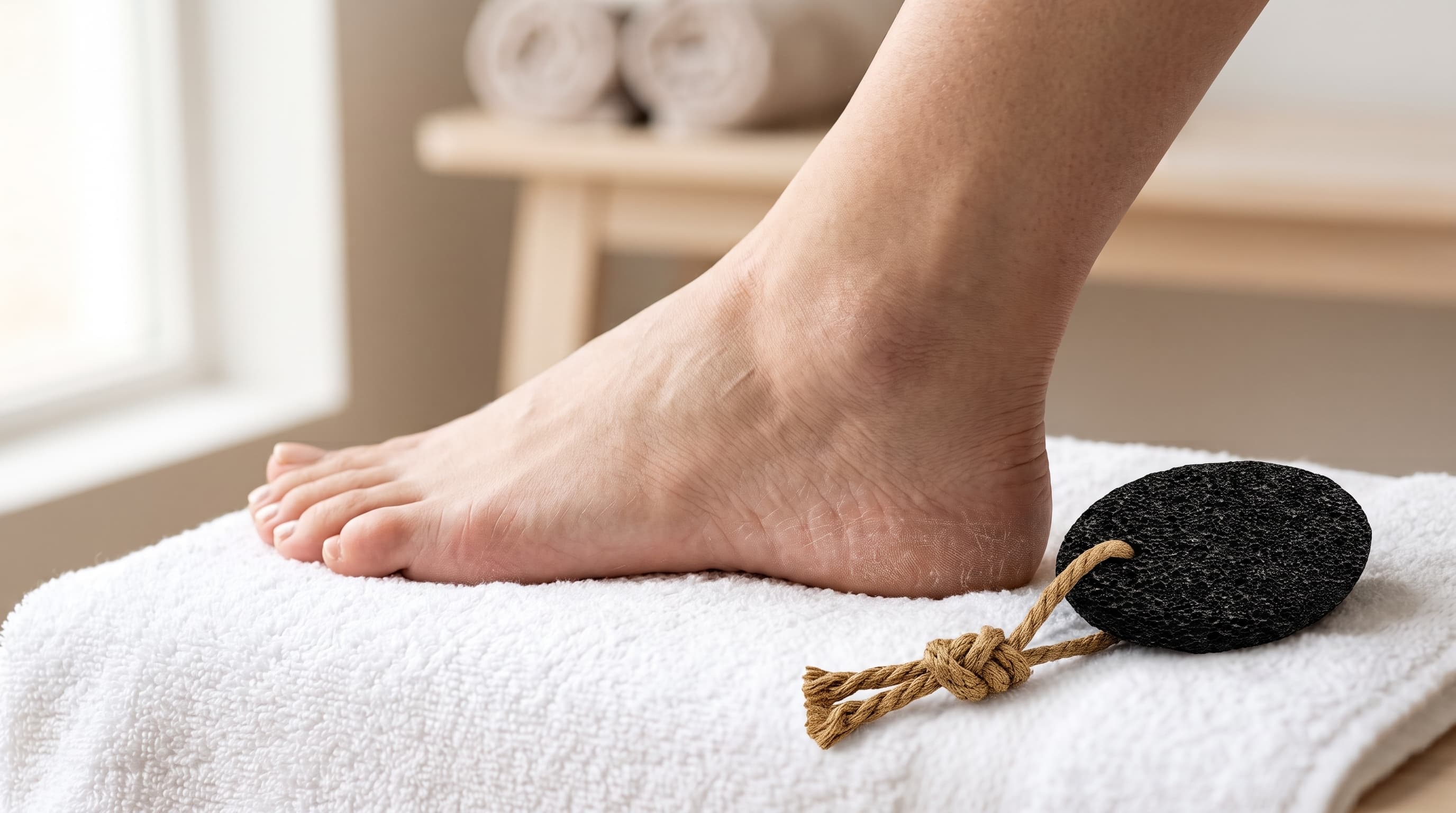
Pumice Stone vs Foot File: Which One Actually Removes Cracked Heels?
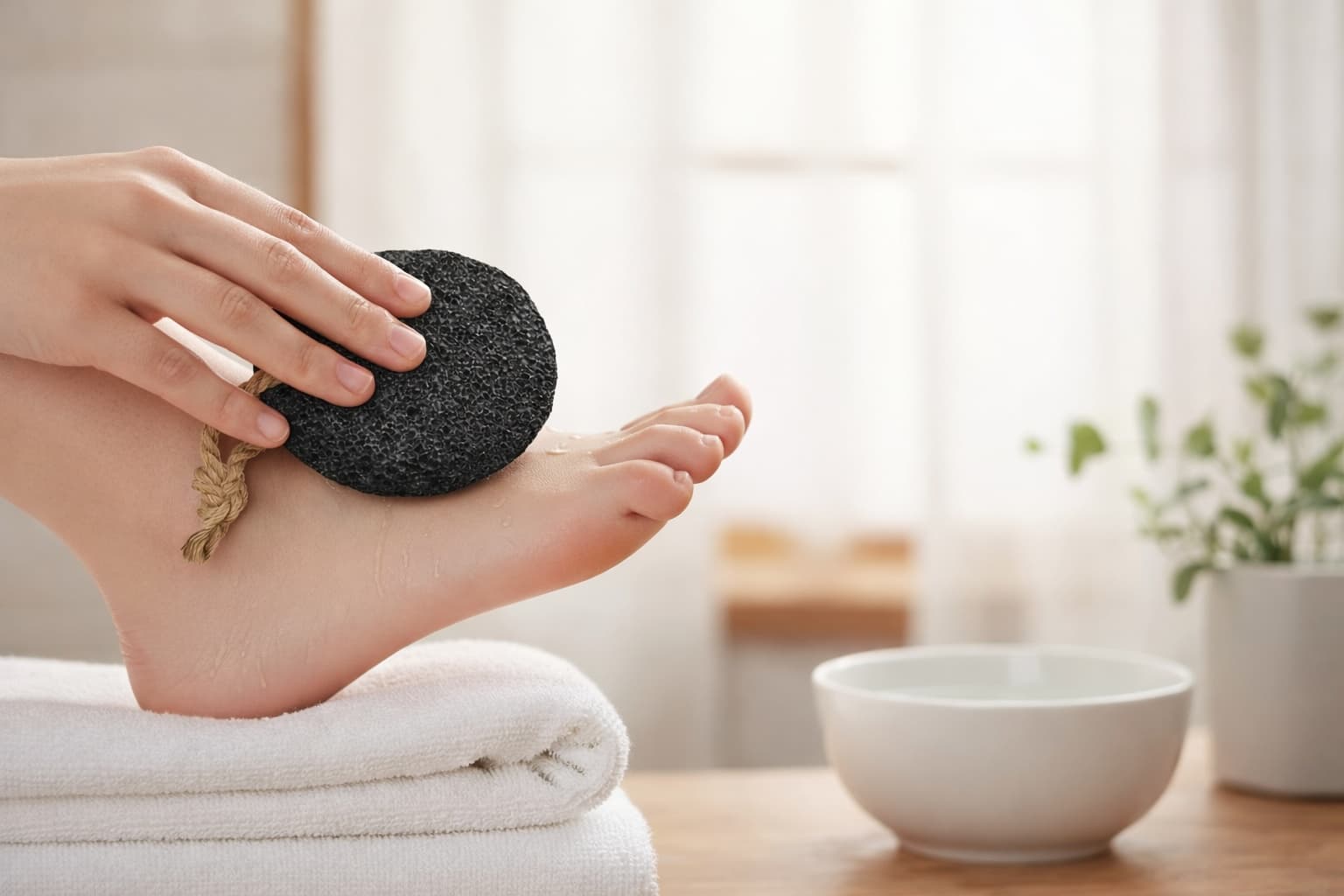
Both tools smooth rough feet — but they work differently. Here’s how to choose the right one for your needs.
Thoughts on natural foot care, daily rituals, and the materials that support healthy skin. Practical guidance, written with intention
New here? Start with our pillar page for the full overview of pumice stones for feet, then explore the supporting articles below.

Both tools smooth rough feet — but they work differently. Here’s how to choose the right one for your needs.
We give attention to our face, hands, hair, and nails, but often ignore the body part that carries us everywhere. Here is why feet deserve more care and which simple habits make the biggest difference.

A pumice stone should be replaced when it becomes worn, dirty, damaged, or less effective. Here is how to tell when yours is no longer worth keeping.

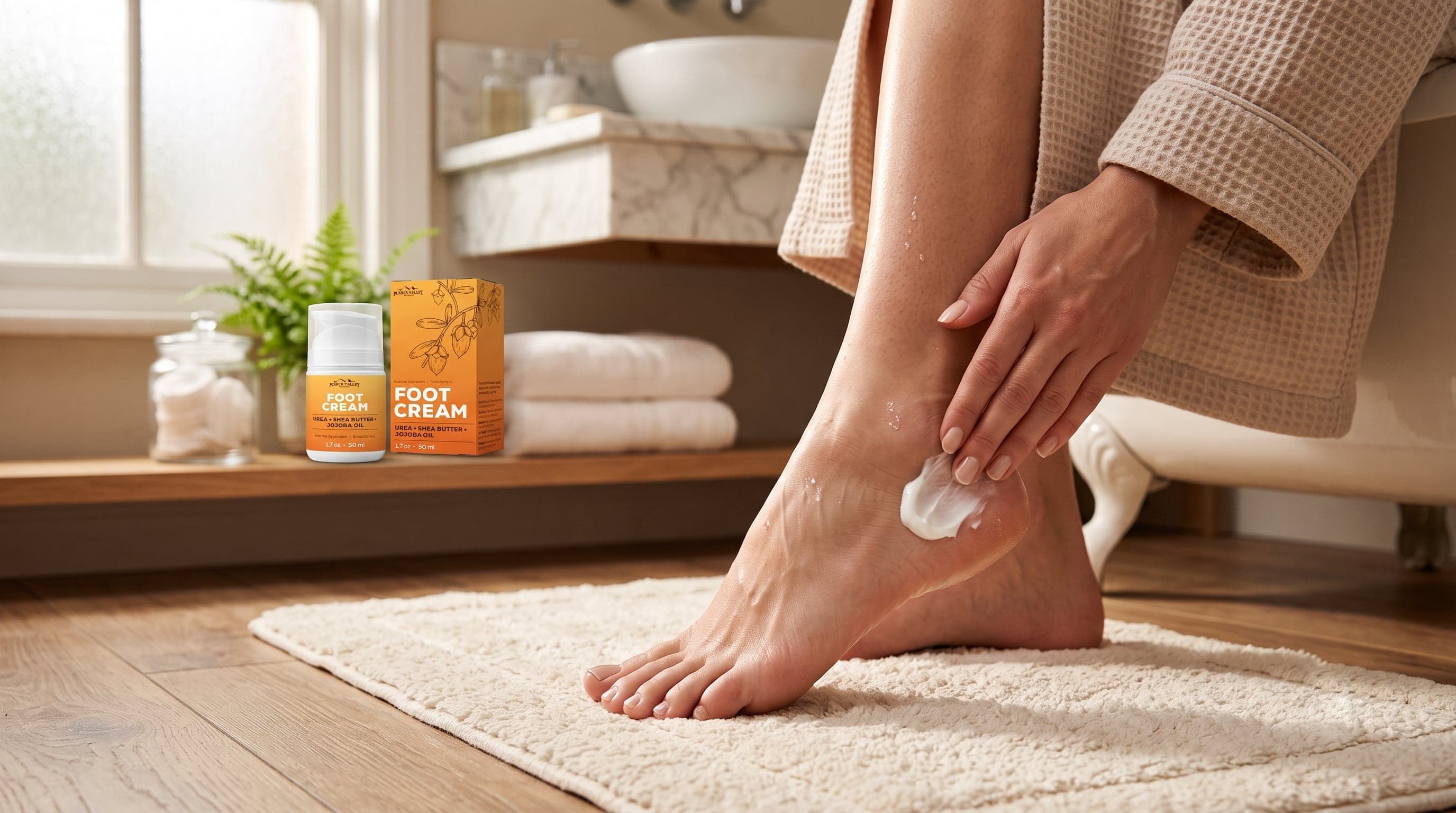
The best cracked-heel night routine is less about doing more and more about doing the right few things consistently. Here is a version that actually makes sense.

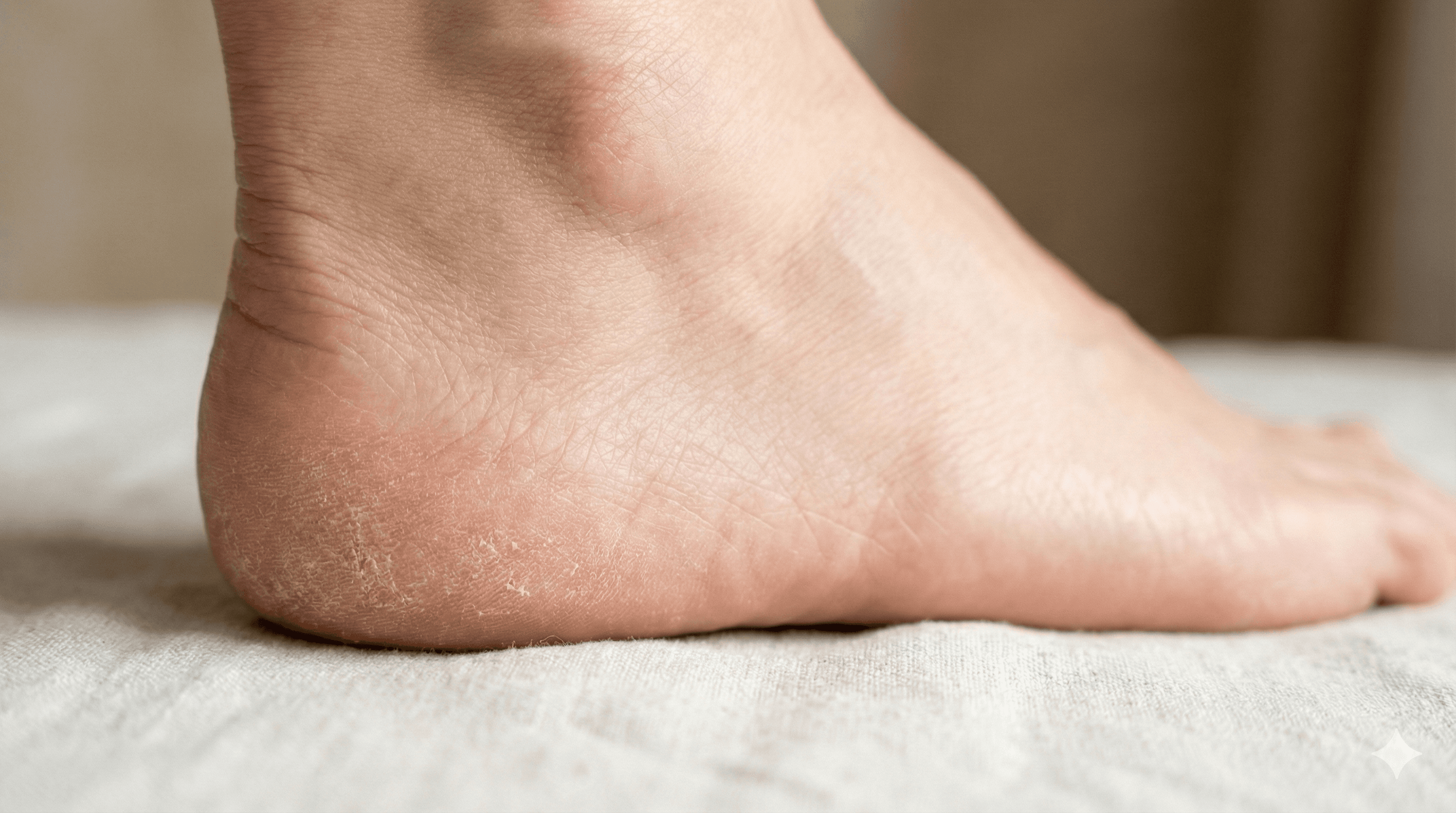
Cracked heels aren’t just a cosmetic issue — they can become painful fissures that make every step uncomfortable.
Summer does not usually make feet dirtier from scratch. It exposes buildup around nails, dry skin, and calluses that everyday habits have been quietly building all along.

Pumice stones, glass foot files, and foot rasps do not work the same way. This guide explains which tool fits rough heels, thicker calluses, and gentler maintenance.

Cracked heels are easier to prevent than they are to fix. These simple habits help keep heels softer, more flexible, and less likely to split.

Exfoliating too often can make heels rougher, not smoother. Here’s how to find the right balance for healthy feet.