Foot Peel Masks for Rough Feet: Helpful Reset or Too Much?
脱皮足膜
Foot peel masks are tempting because they promise a dramatic before-and-after moment. For some people with uncomplicated surface roughness, they can feel like a reset. But they are not a shortcut for painful cracks, an i...
Foot peel masks are tempting because they promise a dramatic before-and-after moment. For some people with uncomplicated surface roughness, they can feel like a reset. But they are not a shortcut for painful cracks, an itchy rash, or long-term friction—and using one when your skin is already irritated can make the situation worse.
What a foot peel mask actually does
Most peel masks use exfoliating acids to loosen the outer layer of dead skin over several days. The visible peeling can look dramatic, but it is not a measure of how “good” the treatment was. The point is controlled exfoliation, not peeling as much as possible.
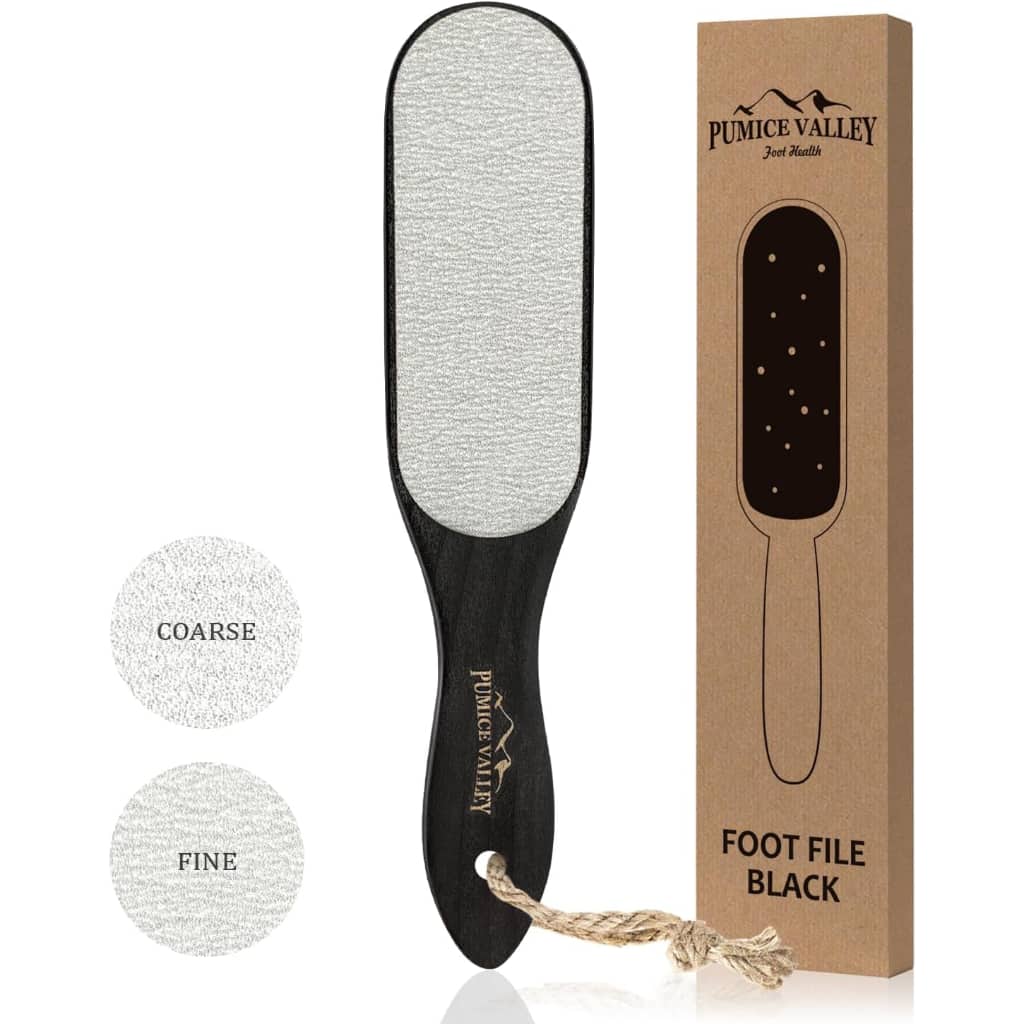
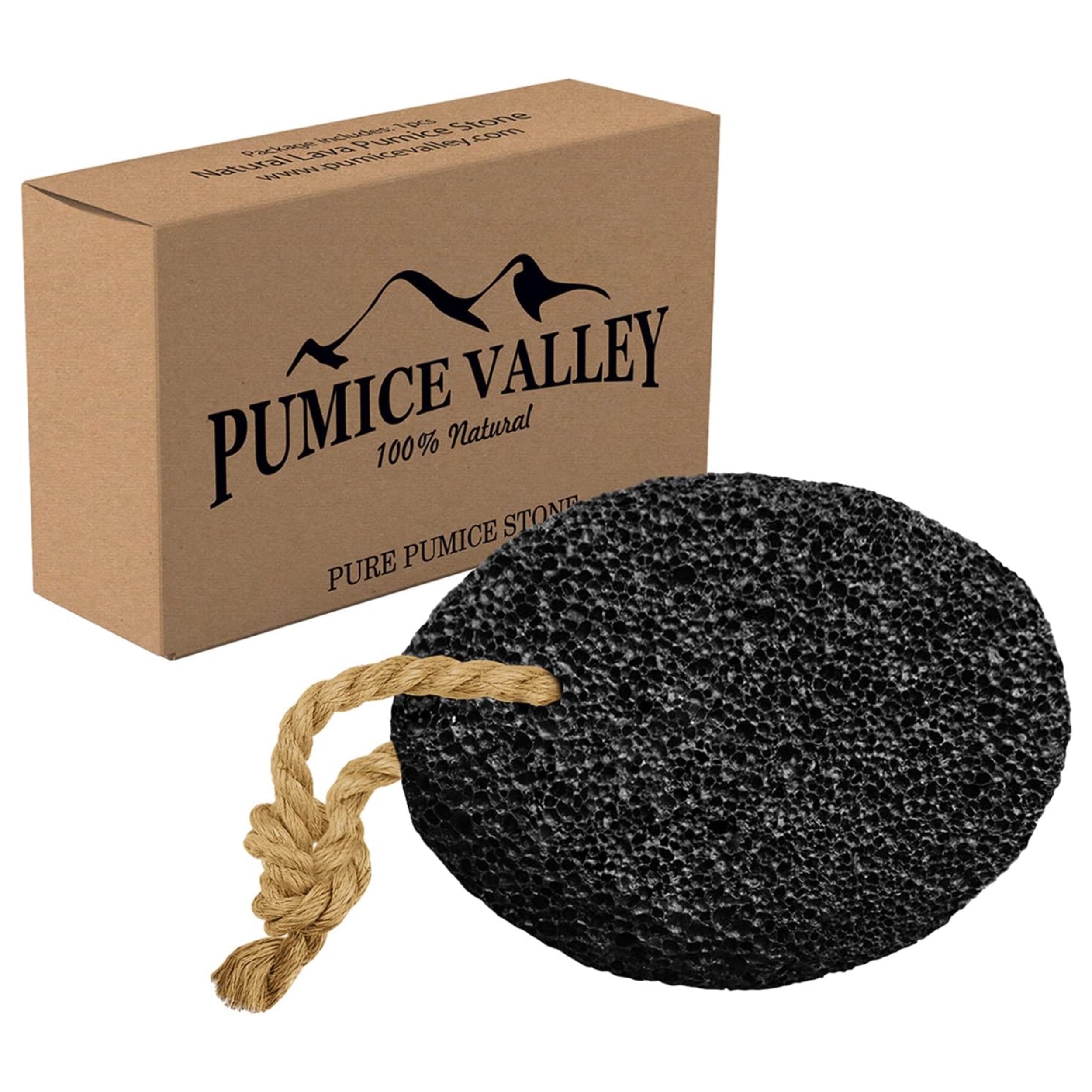
That distinction matters. If you already use a pumice stone, foot file, or strong exfoliating cream, adding a peel mask on top can be more intensity than your skin needs.
When it may be reasonable
A peel mask may suit someone whose feet have mild, intact roughness and who can give the skin time to peel naturally. Read the product directions carefully, avoid using it right before a beach day or event, and do not combine it with aggressive filing in the same week.
Afterward, focus on gentle washing and regular moisturizer. Do not pull at peeling skin. Let it shed on its own.
When to skip it
Do not use a peel mask on open cracks, bleeding skin, blisters, eczema-like irritation, an unexplained rash, or a suspected fungal problem. It is also not a suitable self-treatment for very painful calluses or corns.
People with diabetes, neuropathy, poor circulation, reduced sensation, or healing concerns should ask a clinician before using strong at-home exfoliating products.
A calmer alternative
For many rough feet, a measured routine is more sustainable: wash, dry thoroughly, moisturize daily, address shoe friction, and use gentle physical exfoliation only when the skin is intact. It is less dramatic, but often easier to maintain.
Final thought
Foot peel masks can be an occasional cosmetic tool, not a cure-all. If your goal is softer feet that stay comfortable, protect the skin barrier and reduce friction after the peeling stops.
FAQ
Do foot peel masks work for rough feet?^
They can loosen surface dead skin over several days, but they do not solve the friction or dryness that causes roughness to return.
Should I use a pumice stone after a foot peel mask?^
No. Do not add aggressive exfoliation while skin is peeling or sensitive.
Can I pull off skin after a foot peel?^
Avoid pulling it. Let peeling skin shed naturally to reduce irritation.
Who should avoid foot peel masks?^
Avoid them on broken, irritated, infected-looking, or unexplained skin changes. People with diabetes, poor circulation, neuropathy, or healing concerns should ask a clinician first.
How do I maintain softer feet after a peel?^
Moisturize regularly, reduce shoe friction, and use gentle maintenance rather than another intense treatment.