Summer Foot Care: How to Keep Feet Soft, Dry, and Comfortable in Sandal Season
夏日足护
Summer foot care is not just about softer heels. This routine helps manage dryness, sweat, friction, and sun exposure so feet stay more comfortable all season.
Summer foot care can be surprisingly tricky because your feet often deal with opposite problems at the same time.
Your heels may start feeling dry, rough, and overexposed in sandals. Meanwhile, the spaces between your toes may stay warm, damp, and irritated from sweat, long walks, or closed shoes.
That is why a better summer routine is not just about using more cream or scrubbing more often. It is about giving the dry parts of your feet moisture, giving the damp parts of your feet more dryness and airflow, and preventing the small summer problems that turn into bigger ones later.
Quick Answer
For better summer foot care:
- wash feet gently and dry them well, especially between the toes
- apply foot cream to dry areas like heels and soles after bathing while skin is still slightly damp
- exfoliate gently on softened skin 1 to 3 times a week, not aggressively every day
- change out of sweaty socks and let shoes dry fully before wearing them again
- reduce friction from sandals, straps, and long walks before blisters form
- wear sunscreen on exposed skin, including the tops of your feet
- pay attention to itchy, white, peeling, or cracked skin between the toes, which may be athlete's foot rather than simple dryness
If your summer routine handles dryness, sweat, friction, and sun exposure together, your feet usually stay much more comfortable.
Why Summer Can Make Feet Feel Worse
Summer exposes your feet more, but it also stresses them more.
Open shoes can leave heels and the tops of the feet more exposed to dry air, friction, and sun. At the same time, hot weather and activity can trap sweat in sneakers, flats, or sandal straps. That combination can leave one part of the foot too dry and another part too damp.
This is where many routines go wrong.
People often respond with one extreme:
- more scrubbing
- more lotion everywhere
- more time barefoot
But summer foot care works better when it becomes more specific than that.
1. Keep Feet Clean and Dry, Especially Between the Toes
This is the part people underestimate.
When feet stay warm and damp, irritation and fungal problems become more likely. That matters most between the toes, where moisture tends to linger after showering, sweating, or swimming.
So the first summer habit is simple:
- wash your feet gently
- dry them carefully
- give extra attention to the spaces between the toes
Do not rush the drying step.
A lot of people are good at moisturizing their heels and not nearly as careful about removing moisture from the areas that stay damp longest.
If you are prone to sweaty feet, it also helps to:
- change socks when they get damp
- avoid sitting in sweaty shoes for hours
- let shoes dry out before wearing them again
That kind of routine sounds basic, but it prevents a lot of recurring summer irritation.
2. Moisturize Dry Areas Strategically
Summer dryness is real, especially if you wear sandals often or spend a lot of time outdoors.
But that does not mean every part of the foot needs a heavy cream.
The heels, sides of the feet, and dry soles are usually the areas that benefit most from richer moisture. That is where skin tends to get rough, chalky, tight, or thickened.
The best time to moisturize is after bathing, when skin is still slightly damp.
Look for a cream that feels substantial enough for foot skin rather than a very light body lotion. Ingredients like urea, ceramides, glycerin, shea butter, and other barrier-supporting moisturizers tend to make more sense here than a barely-there lotion.
One practical summer rule helps:
- moisturize the dry zones
- keep damp-prone toe spaces clean and dry
If you tend to get sweaty or itchy between the toes, sealing that area under thick ointment is usually less helpful than keeping it dry.
3. Exfoliate Gently, Not Aggressively
Summer can make rough skin more noticeable because your feet are on display more often.
That does not mean your feet need constant scraping.
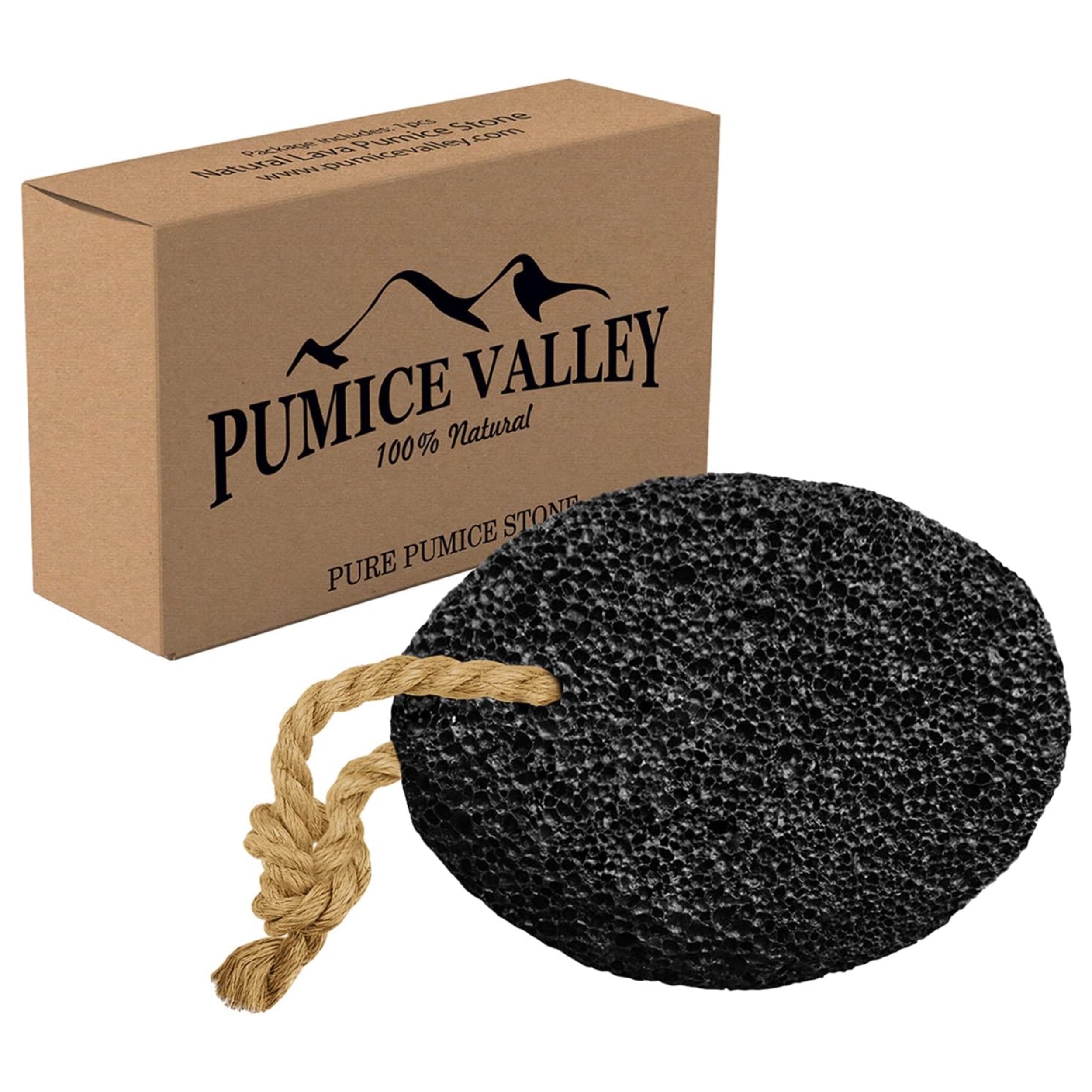
If you use a pumice stone, the safest time is when skin has been softened first, such as after a shower or a short warm soak. That allows you to smooth buildup more gently without turning the routine into skin damage.
Keep the goal realistic.
You are not trying to strip your heels perfectly smooth in one session. You are trying to reduce excess buildup before it becomes thick, rigid, and more likely to crack.
For many people, 1 to 3 gentle sessions per week is enough during summer, depending on how quickly buildup returns.
Stop if skin becomes:
- tender
- inflamed
- raw
- visibly split
Once the skin is already cracked or painful, aggressive exfoliation usually makes the problem worse.
4. Prevent Friction Before Blisters Start
Summer shoes are not always kind to feet.
Sandals, slides, and travel shoes can create rubbing in very specific places:
- the back of the heel
- the sides of the toes
- the ball of the foot
- the strap lines across the skin
The smartest time to act is when you notice a hot spot, not when the blister is already large and painful.
Helpful adjustments include:
- choosing sandals that do not slide around with each step
- avoiding straps that dig into the same area all day
- breaking in new shoes gradually
- using a soft blister dressing or friction barrier early
If you do get a blister, protect it and give the skin a chance to heal. Do not keep wearing the exact shoes that caused it and do not treat it like a patch of rough skin that needs more exfoliation.
5. Be More Careful in Pools, Locker Rooms, and Sweaty Shoes
Summer foot care is not just a home routine issue. It is also an environment issue.
Pools, shared showers, and locker rooms are places where people are more likely to walk barefoot while feet are already damp. Closed shoes worn for long stretches in hot weather can create a similar problem from the other direction.
That is why it helps to build a few simple habits:
- wear flip-flops or shower shoes in communal wet areas
- do not stay in damp socks longer than necessary
- rotate shoes when possible so they can dry properly
- keep toenails trimmed and clean
These are small habits, but they are part of real summer foot care, not separate from it.
6. Do Not Forget Sunscreen on Your Feet
This is one of the most commonly missed steps in summer skincare.
If the tops of your feet are exposed in sandals, they are exposed to the sun too.
That matters because the tops of the feet burn easily and are often forgotten until the skin is already hot, sore, or peeling.
Apply broad-spectrum SPF 30 or higher to exposed feet before going outdoors, and reapply if you are sweating, swimming, or spending long stretches outside.
If your feet are already sunburned:
- cool the skin
- use a gentle, unperfumed moisturizer
- avoid tight shoes rubbing over the area
- do not pop any blisters
Summer foot care includes the skin on top of the foot, not just the heel.
7. Know When It Is Not Just Summer Dryness
Not every flaky or uncomfortable foot problem is simple dryness.
Sometimes people keep adding cream to skin that is actually trying to tell them something else.
Look more carefully if you notice:
- itching between the toes
- white, peeling, or soggy-looking skin between the toes
- cracked skin that burns or stings
- blisters that seem to come with rash-like irritation
- a rash that does not improve
That pattern can fit athlete's foot more than ordinary summer dryness.
It is also worth getting medical advice sooner if you have:
- diabetes
- swelling
- pus
- fever
- bleeding cracks
- worsening pain
And if you try an over-the-counter antifungal for a suspected fungal rash and it is still not improving after about 2 weeks, it is reasonable to get it checked rather than guessing longer.
A Simple Summer Foot Care Routine
For most people, summer foot care works best when it becomes short and repeatable.
Daily
- wash feet and dry them well
- apply cream to heels and dry areas
- use sunscreen on exposed feet before going outdoors
- change out of damp socks when needed
A few times per week
- use a pumice stone gently on softened skin
- inspect for blisters, strap rub, rough heel buildup, or peeling between the toes
When you are around pools, gyms, or shared showers
- avoid going barefoot
- dry feet carefully afterward
When sandals start rubbing
- adjust early
- protect the hot spot
- do not wait for the skin to break
This kind of routine is far more effective than occasional overcorrection.
Final Verdict
The best summer foot care routine is not harsher. It is smarter.
Moisturize the dry parts. Keep the damp parts dry. Exfoliate gently. Reduce friction early. Protect exposed skin from the sun. And do not treat every foot problem like it is just dryness.
When you build your routine around what summer actually does to feet, they usually stay softer, calmer, and much easier to maintain.
FAQ
What is the best summer foot care routine?
For most people, the best summer foot care routine is washing and drying feet well, moisturizing dry areas after bathing, using gentle exfoliation a few times a week, protecting exposed skin with sunscreen, and not staying in damp socks or sweaty shoes for too long.
Why do feet get dry in summer if the weather feels humid?
Summer dryness often has less to do with air humidity alone and more to do with exposure. Sandals, longer walks, sun, friction, and repeated bathing can leave heels and soles drier even while other parts of the feet feel sweaty.
Should you put foot cream between your toes in summer?
If the skin between your toes tends to stay sweaty, itchy, or damp, that area usually needs better drying rather than heavier cream. Richer moisturizers make more sense on heels and dry soles than in moisture-prone toe spaces.
How often should you use a pumice stone in summer?
Many people do well with gentle use 1 to 3 times a week on softened skin. The goal is to reduce buildup gradually, not to scrub until the skin feels raw.
How can you tell if it might be athlete's foot instead of simple dryness?
Athlete's foot often shows up with itching, peeling, scaling, or cracked skin between the toes, and sometimes blisters or burning. If a rash is persistent, worsening, or not improving with basic care, it is worth getting professional advice.
Conclusion
Summer does not just expose your feet. It changes what they need.
Heels may need more moisture. Toes may need more dryness. Sandals may need better fit. Exposed skin may need sunscreen. And routines that feel harmless in other seasons may not be enough once heat, sweat, travel, and friction all arrive together.
Once you start treating summer foot care as a balance instead of a single fix, the whole routine becomes easier.
CTA
If you want your feet to stay soft, comfortable, and easier to maintain all season, build a routine that supports both exfoliation and moisture without ignoring sweat, friction, or sun. Gentle, consistent care usually does more than dramatic rescue sessions.
FAQ
What is the best summer foot care routine?^
For most people, the best summer foot care routine is washing and drying feet well, moisturizing dry areas after bathing, using gentle exfoliation a few times a week, protecting exposed skin with sunscreen, and not staying in damp socks or sweaty shoes for too long.
Why do feet get dry in summer if the weather feels humid?^
Summer dryness often has less to do with air humidity alone and more to do with exposure. Sandals, longer walks, sun, friction, and repeated bathing can leave heels and soles drier even while other parts of the feet feel sweaty.
Should you put foot cream between your toes in summer?^
If the skin between your toes tends to stay sweaty, itchy, or damp, that area usually needs better drying rather than heavier cream. Richer moisturizers make more sense on heels and dry soles than in moisture-prone toe spaces.
How often should you use a pumice stone in summer?^
Many people do well with gentle use 1 to 3 times a week on softened skin. The goal is to reduce buildup gradually, not to scrub until the skin feels raw.
How can you tell if it might be athlete's foot instead of simple dryness?^
Athlete's foot often shows up with itching, peeling, scaling, or cracked skin between the toes, and sometimes blisters or burning. If a rash is persistent, worsening, or not improving with basic care, it is worth getting professional advice.