5 Foot-Soak Mistakes That Leave Your Heels Feeling Drier
泡脚误区
A warm foot soak should leave your feet calmer, not tighter and rougher the next day. If your heels feel worse afterward, the usual culprits are water that is too hot, too much time in it, harsh additives, aggressive fil...
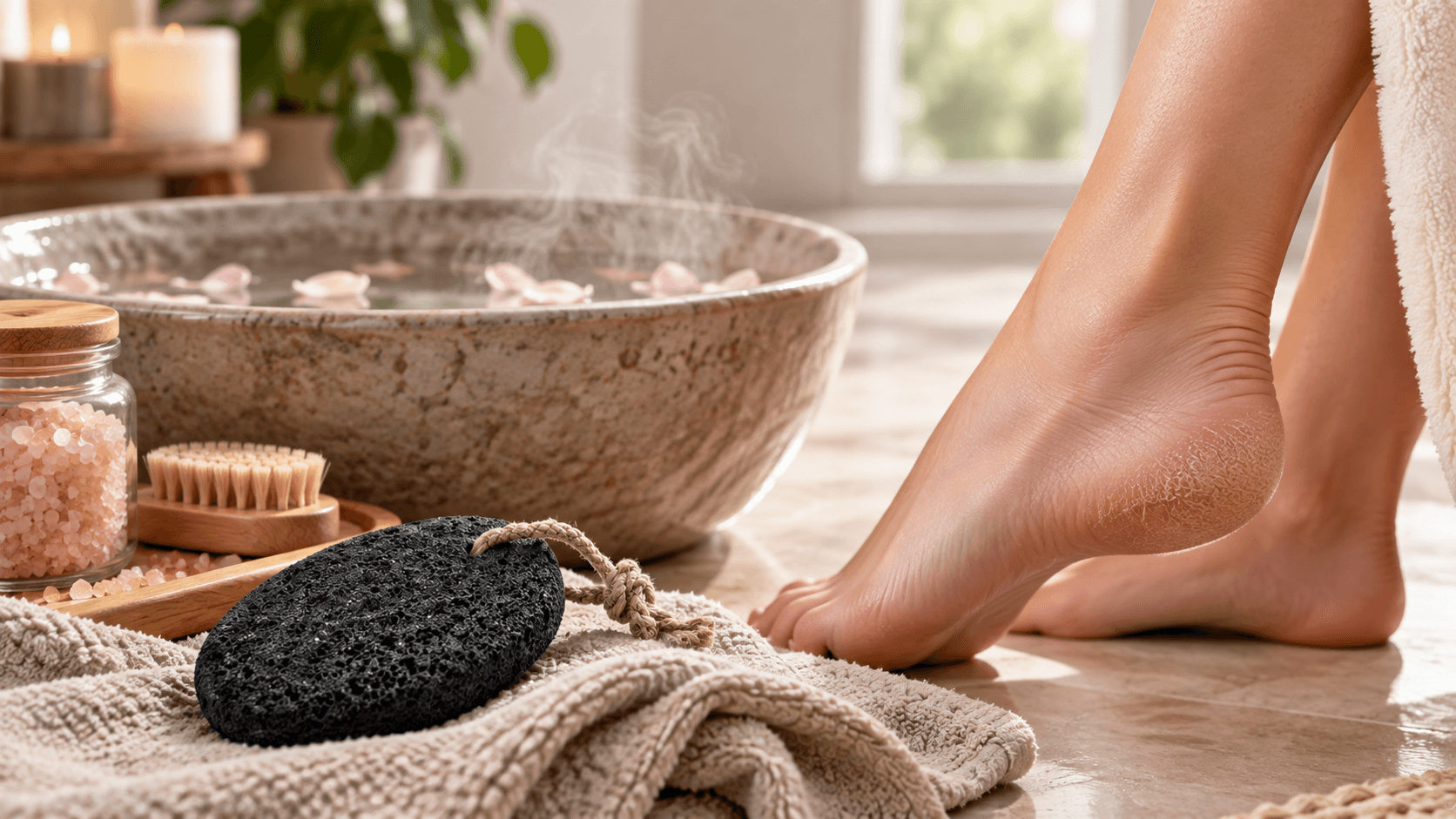
A warm foot soak should leave your feet calmer, not tighter and rougher the next day. If your heels feel worse afterward, the usual culprits are water that is too hot, too much time in it, harsh additives, aggressive filing, or skipping moisturizer once you are done.
1. Soaking for too long
When skin stays in water for a long time, it can look soft temporarily but feel drier once it is fully dry again. Keep a soak short and comfortable instead of treating it like a long repair session.
2. Using very hot water
Very hot water can feel soothing in the moment, but it can leave already-dry skin feeling more stripped. Warm water is enough. If the water feels uncomfortably hot on your hand, it is not a kinder choice for your feet.
3. Adding irritating ingredients
Strong fragrance, harsh soaps, or improvised mixtures can make a simple soak less gentle. If you have sensitive skin, uncomplicated warm water may be the best starting point. Stop using anything that stings or leaves redness behind.
4. Filing until the skin feels tender
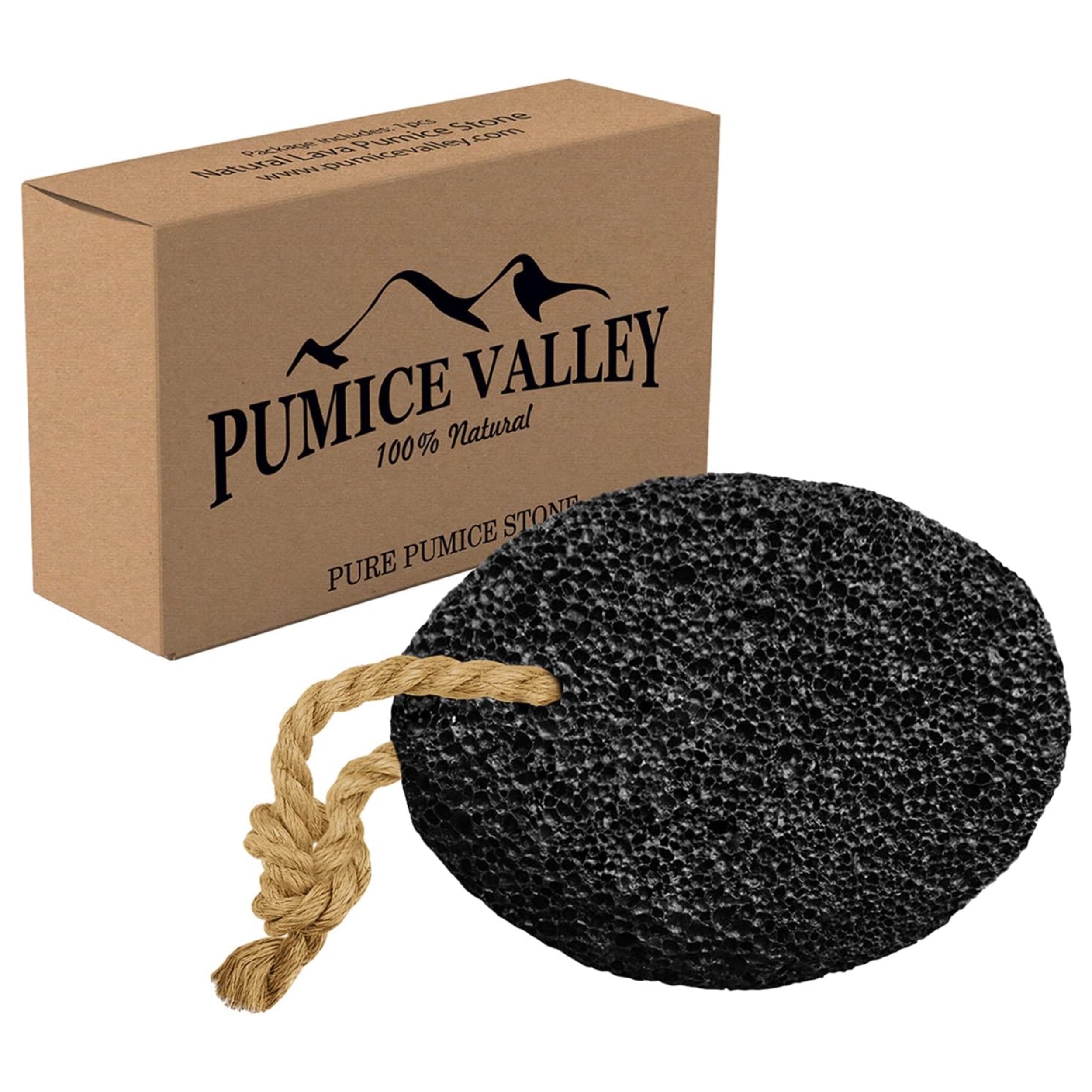
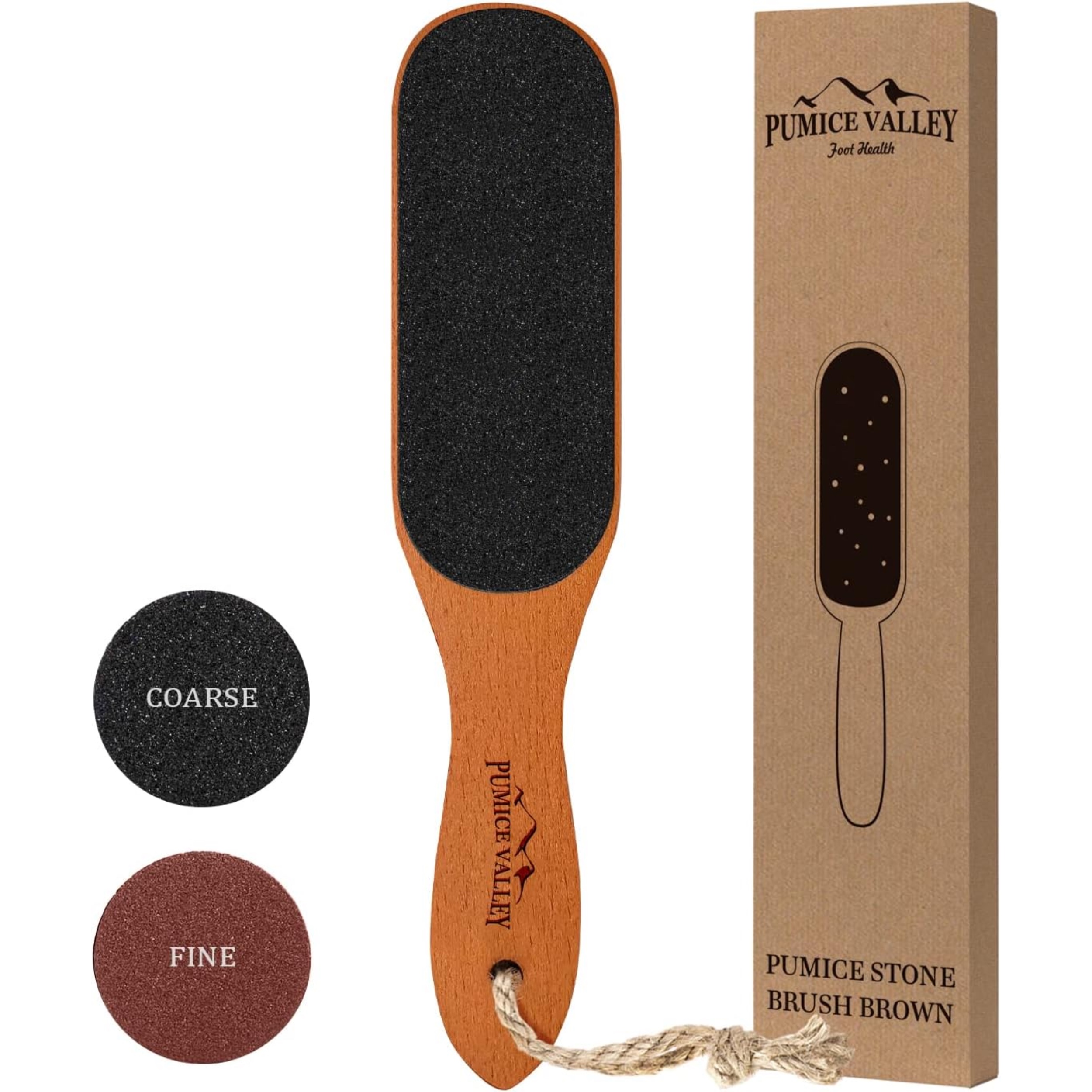
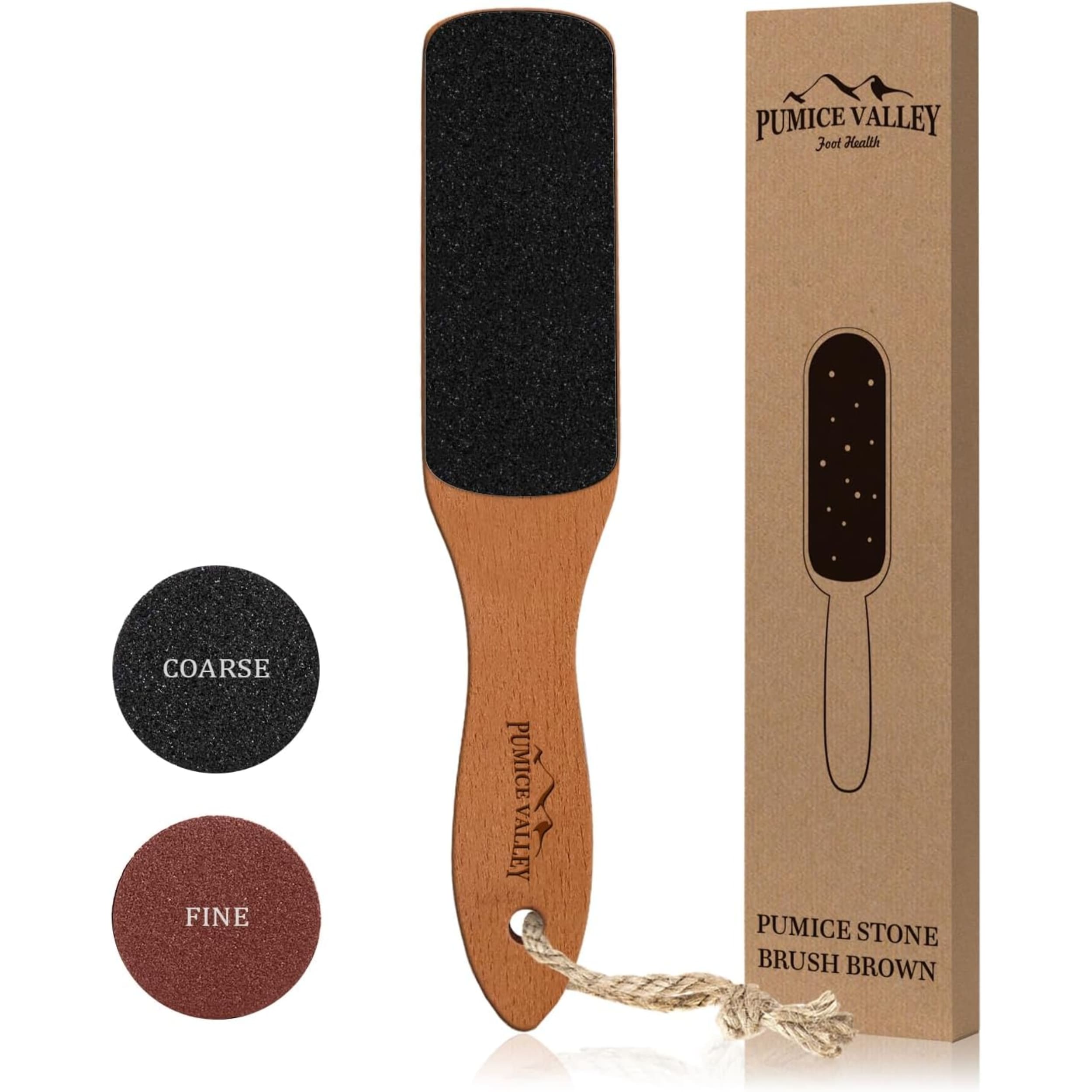
Softened skin is easier to exfoliate, which is exactly why it is easy to overdo it after a soak. Use a pumice stone or file only on intact skin and with light pressure. Do not chase perfectly smooth heels in one session.
5. Forgetting the step that matters afterward
Dry your feet thoroughly—especially between toes—then apply foot cream to the dry heel and sole areas. This is the part that helps the routine support comfort rather than simply remove surface texture.
A better foot-soak rhythm
Try a short warm soak only when it feels helpful, not as a daily obligation. Follow it with gentle care and moisture. On other days, a quick wash and regular cream can be all your feet need.
Avoid soaking or exfoliating open, bleeding, swollen, or infected-looking skin. If you have diabetes, neuropathy, poor circulation, or healing concerns, ask a clinician before doing at-home foot soaks or using exfoliating tools.
Final thought
A foot soak should leave your feet calmer, not more desperate for repair. Keep it warm, brief, gentle, and followed by moisturizer—and let consistent care do the longer-term work.
FAQ
Can soaking feet make them drier?^
Yes. Very hot or prolonged soaking can leave some people with drier-feeling skin afterward.
How long should I soak my feet?^
Keep it short and comfortable rather than soaking for an extended period. Stop if your skin feels irritated.
Should I use a pumice stone after a foot soak?^
Only on intact skin, with light pressure. Stop if the skin becomes tender or raw.
What should I put on my feet after soaking?^
Dry thoroughly, then apply foot cream to the dry heel and sole areas.
Who should avoid at-home foot soaks?^
Anyone with open wounds, infection signs, or significant healing concerns should seek advice. People with diabetes, neuropathy, or poor circulation should ask a clinician first.