How to Prevent Cracked Heels Before They Start: 8 Habits That Help
Prevent heel cracks
Cracked heels are easier to prevent than they are to fix. These simple habits help keep heels softer, more flexible, and less likely to split.
Most people start paying attention to their heels once the cracking begins.
But cracked heels are easier to prevent than they are to reverse.
The skin usually gives quiet warnings first: dryness, roughness, thickening around the heel rim, a tight feeling after bathing, or skin that catches on socks. When you respond at that stage, prevention is usually simple.
Quick Answer
To help prevent cracked heels:
- moisturize daily
- apply cream after bathing
- exfoliate gently, not aggressively
- avoid open-backed shoes when heels are very dry
- protect feet from constant friction
- keep showers short and warm, not hot
- use richer products at night when needed
- respond early when heels start feeling rough
Cracked heels usually happen when dryness, thick skin, and pressure build on each other over time. Prevention works when you interrupt that cycle early.
Why Heels Crack So Easily
Heel skin has a difficult job.
It is thicker than skin on most of the body and handles constant pressure every time you stand or walk. It also has no oil glands on the soles, so it is naturally more likely to become dry.
Once the heel gets too dry, it loses flexibility.
Once it loses flexibility, pressure and friction start to matter more.
That is how a harmless rough edge can gradually turn into fissures.
The good news is that prevention does not usually require dramatic treatment. It requires habits that keep the skin soft enough to stay resilient.
1. Moisturize Your Heels Every Day
This is the foundation.
If your heels are prone to dryness, daily moisturizing is not optional maintenance. It is prevention.
Even a very good exfoliation routine will not protect the skin if moisture is never restored afterward.
Look for richer creams rather than thin body lotions, especially if:
- your heels often feel tight
- the skin turns chalky
- you notice roughness returning quickly
For many people, the simplest effective habit is applying foot cream once a day and increasing frequency when dryness worsens.
2. Apply Cream Right After Bathing
Timing matters more than people think.
After a shower or bath, your skin is in a better position to hold onto moisture. That makes it an ideal time to apply cream.
The window does not have to be exact to the second, but do not wait until the feet feel fully dry and neglected again.
This one habit often makes moisturizers feel more effective without changing the product at all.
3. Exfoliate Gently and Only When Needed
Rough heels can tempt people into an aggressive mindset.
That usually backfires.
Prevention is not about scraping your heels smooth every day. It is about reducing excess buildup before it becomes rigid enough to crack.
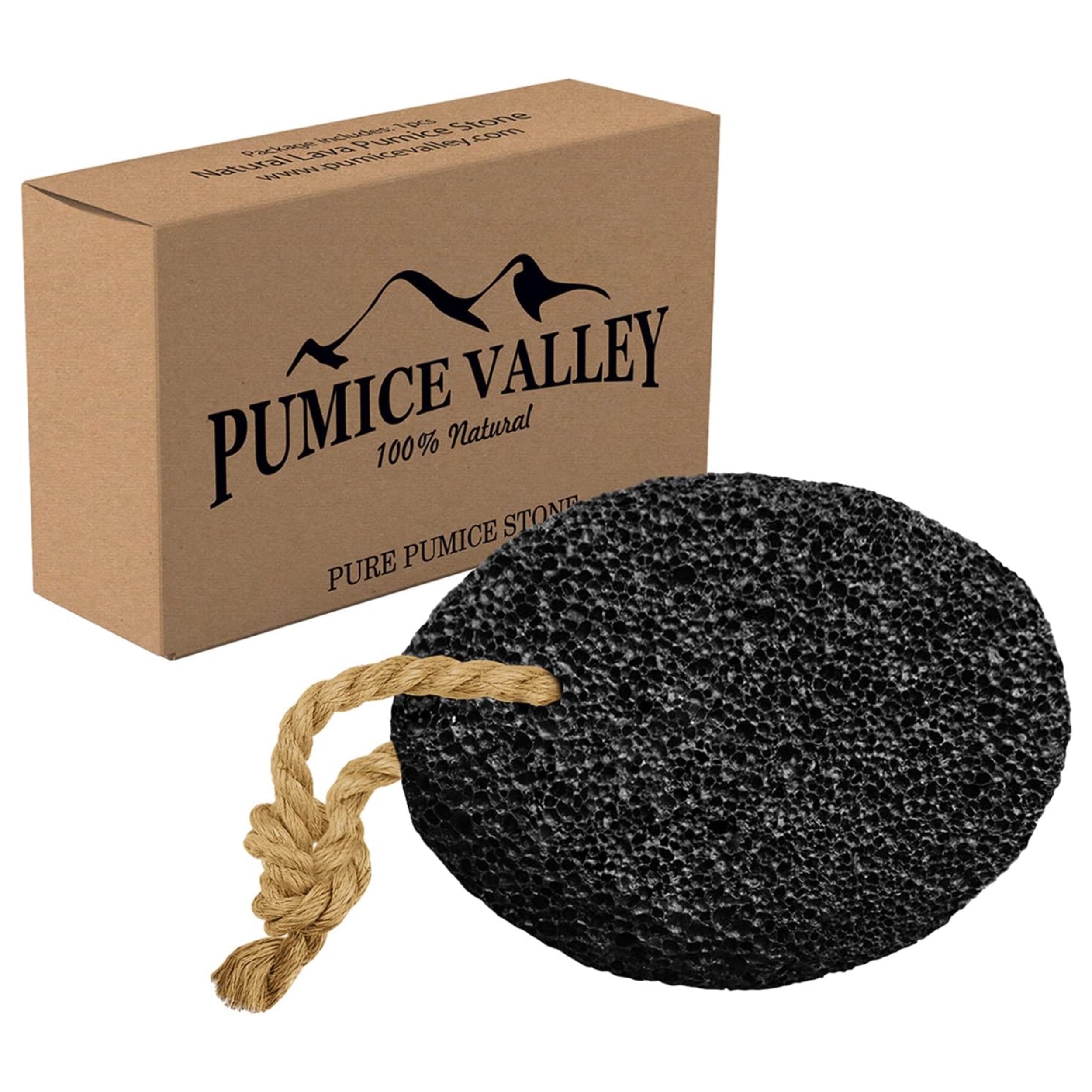
A gentle pumice session on softened skin a few times per week can be enough. More than that depends on your skin, but daily scraping often creates irritation instead of resilience.
If your skin is already inflamed, painful, or split, prevention has shifted into treatment mode and the approach needs to become gentler.
4. Be Careful With Open-Backed Shoes
Flip-flops and backless sandals are not the only cause of cracked heels, but they can make the problem easier to develop.
Why?
Because the heel is more exposed to:
- dry air
- pressure spread
- friction at the edge
If your heels are already getting rough, switching to shoes that give the heel more support can make a noticeable difference.
This does not mean never wearing sandals. It means recognizing when your skin is asking for more protection.
5. Reduce Daily Friction Where You Can
Cracked heels often build from repetition.
Long hours standing, hard floors, barefoot walking, and abrasive shoe contact can all add to the stress on heel skin.
You do not need a perfect lifestyle to prevent fissures. But it helps to notice where the constant rubbing is coming from.
Helpful adjustments may include:
- indoor shoes instead of going barefoot on hard floors
- socks that reduce rubbing
- better-fitting shoes
- not letting shoes wear down at the heel
Small changes matter because the damage is usually gradual.
6. Keep Baths and Showers Short and Warm
Many people assume soaking dryness in water solves dryness.
It does not work that way.
Long hot baths and showers can leave skin drier by stripping away what little surface protection it has. Feet often feel softer in the moment, then tighter later.
A smarter approach is:
- short soaks
- warm water
- moisturizer soon afterward
This gives you the softening benefit without pushing the skin further into dehydration.
7. Use a Richer Night Routine When Heels Start Feeling Dry
Prevention works best when it becomes more supportive before cracking starts.
If your heels suddenly begin feeling rough, do not wait for visible splits.
That is the moment to increase care:
- use a richer cream at night
- add petroleum jelly over the driest areas if needed
- wear cotton socks to keep moisture in place
Think of this as early intervention for dry skin, not overreaction.
8. Pay Attention to the First Signs, Not Just the Worst Ones
This may be the most important habit of all.
Most cracked heels do not appear overnight. The skin usually becomes:
- drier
- rougher
- thicker
- less flexible
before it actually cracks.
If you only respond once the skin splits, you are always arriving late. Preventive foot care is really the skill of noticing roughness early and adjusting quickly.
What Prevention Looks Like in Real Life
For most people, a practical prevention routine is enough:
Daily
- wash and dry feet gently
- apply foot cream to heels
A few times per week
- use a pumice stone on softened skin if buildup is present
When dryness increases
- add a richer nighttime layer
- wear cotton socks overnight
- avoid open-backed shoes for a while
That kind of routine is far more sustainable than occasional intense repair sessions.
Common Prevention Mistakes
Sometimes the effort is there, but the habit is slightly off.
Common mistakes include:
- using lotion that is too light
- exfoliating too hard
- ignoring dryness until cracks appear
- using open-backed shoes during flare-ups
- moisturizing inconsistently
The theme is simple: prevention fails when heel care stays reactive.
When It May Be More Than a Prevention Issue
Not every dry foot problem is just a heel-care habit problem.
If you notice:
- persistent itching
- peeling between the toes
- deep pain
- bleeding cracks
- redness or swelling
- no improvement despite steady care
the issue may need a different kind of attention.
The goal of prevention is to stay ahead of routine dryness, not to mask a problem that needs medical care.
Final Verdict
The best way to prevent cracked heels is not one special product. It is a set of ordinary habits done early enough and often enough to matter.
Moisturize daily. Apply cream after bathing. Exfoliate gently. Protect the heel from too much friction and exposure. Increase care the moment the skin starts changing.
Prevention is less dramatic than repair, but it is also much easier.
Conclusion
Cracked heels often feel like something that just happens, especially in warm weather or busy seasons. But in many cases, they are the predictable result of a skin barrier that has been getting drier, tougher, and less flexible for weeks.
That is why prevention works. It is not mysterious. It simply gives the skin enough moisture, enough protection, and enough gentle maintenance to keep it from reaching the breaking point.
Once you start noticing the early signs and responding to them calmly, heel care becomes much simpler.
CTA
If you want softer, healthier heels long term, build your routine around prevention instead of repair. Small daily habits are often the reason cracking never gets the chance to start.
FAQ
What is the main cause of cracked heels?^
Usually it is a combination of dryness, thickened skin, pressure, and friction rather than one single cause.
Does moisturizing every day help prevent cracked heels?^
Yes. Daily moisturizing is one of the most effective prevention habits, especially if your heels are naturally dry.
Do sandals cause cracked heels?^
They can contribute, especially when the heel is already dry and exposed. Open-backed shoes can make moisture loss and pressure around the heel edge worse.
How often should you exfoliate to prevent heel cracks?^
Usually a few times per week is enough if buildup is present. The right frequency depends on your skin, but aggressive daily exfoliation often does more harm than good.
Can cracked heels be prevented completely?^
For many people, yes, or at least greatly reduced. The earlier you respond to dryness and roughness, the easier prevention becomes.