The Best Night Routine for Cracked Heels If You Want Softer Feet by Morning
Night heel ritual
The best cracked-heel night routine is less about doing more and more about doing the right few things consistently. Here is a version that actually makes sense.
Night is often the best time to care for cracked heels.
Not because your skin transforms in a few dramatic hours, but because evening gives your feet something they rarely get during the day: stillness, contact time, and a break from friction.
If your heels stay rough no matter how often you promise yourself you will "moisturize more," a structured nighttime routine can make a real difference.
Quick Answer
The best night routine for cracked heels usually looks like this:
- wash or soak feet briefly in warm water
- gently smooth softened buildup if needed
- apply a rich foot cream to slightly damp skin
- seal the driest areas with petroleum jelly if needed
- wear cotton socks overnight
This works because it combines softening, moisture, and protection in the part of the day when your heels are least exposed to pressure and dryness.
Why Night Care Works So Well for Heels
Daytime foot care has a built-in problem.
Even if you apply a good cream in the morning, your heels then go into shoes, onto floors, through heat, friction, and movement. Product transfers. Skin dries out. Pressure returns.
At night, the conditions are much better for repair-minded care:
- no walking pressure for hours
- less friction
- more uninterrupted product contact
- better chance to use richer textures comfortably
That is why even simple routines often feel more effective in the evening.
Step 1: Start With Clean, Softened Skin
You do not need a complicated spa setup.
A short warm rinse or a 5-10 minute soak is enough to soften the outer skin and make the next steps more useful. Keep the water warm, not hot. Overheating the skin can leave it drier.
Afterward:
- pat the feet dry
- leave a little softness in the skin
- do not rub aggressively with a towel
The goal is to prepare the heels, not strip them.
Step 2: Exfoliate Gently, But Only If It Is Needed
This is where good routines often become bad ones.
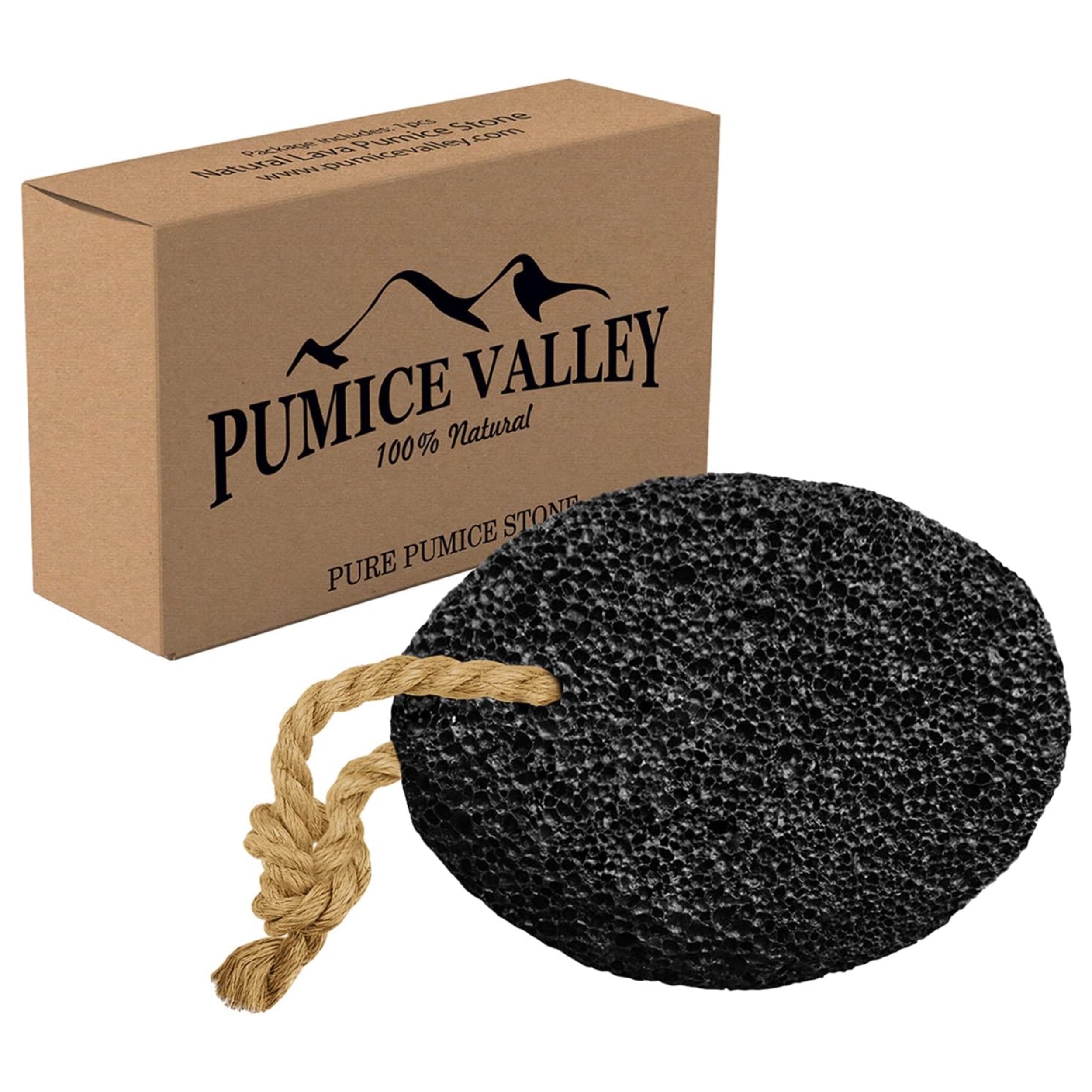
If your heels have visible buildup, a pumice stone on softened skin can help remove excess roughness gradually. But the keyword is gradually.
You are not trying to force the heels smooth in one session.
Gently exfoliate only when:
- there is obvious rough or thickened skin
- the heels are softened first
- the skin is not split, bleeding, or inflamed
Skip exfoliation if:
- cracks are deep
- skin stings or feels raw
- there is redness, swelling, or open skin
The best nighttime routine is not the harshest one. It is the one your skin can tolerate repeatedly.
Step 3: Apply a Rich Foot Cream While Skin Is Slightly Damp
This step does most of the real work.
Once the heels are clean and softened, apply a cream that is made for very dry skin. Slightly damp skin helps the moisturizer do more than it would on fully dry, neglected heels.
Ingredients that are often especially useful include:
- urea
- glycerin
- lactic acid
- shea butter
- ceramides
If your heels are thick and rough, urea-based products often make the most sense.
If they are mainly dry and uncomfortable, richer barrier-support creams with shea butter or ceramides can feel excellent.
Massage the cream in slowly, focusing on:
- the heel rim
- the driest edge areas
- any rough patches on the sole
Step 4: Seal the Driest Areas
If your heels are especially dry, a final sealing step can help.
After your cream, apply a small amount of petroleum jelly over the roughest areas. This helps reduce overnight moisture loss and can make the heels feel noticeably softer by morning.
You do not need to coat the entire foot in a heavy layer. Target the spots that actually need help.
This is especially useful when:
- the skin feels tight and thirsty
- cream alone seems to disappear
- the cracks are mild and surface-level
Step 5: Put On Cotton Socks
This may be the least glamorous part of the routine, but it matters.
Cotton socks help:
- keep products in place
- reduce transfer to sheets
- create a more protected overnight environment
They also make the routine easier to maintain. If the process feels tidy and comfortable, you are more likely to repeat it.
And in heel care, repetition matters more than intensity.
What If You Want Softer Feet by Morning?
You probably will notice some difference after one good night.
Usually that looks like:
- less tightness
- improved comfort
- a softer surface feel
But it is worth being realistic.
One night rarely resolves deep roughness or recurring cracks. What it does do is interrupt the cycle of dryness and give the skin a better environment to recover in.
The most visible improvements usually come from several nights of steady care, not from one heroic rescue session.
How Often Should You Do This Routine?
That depends on how dry your heels are.
If your heels are mildly dry
Do the full routine 2-4 nights per week, and use regular cream on the other nights.
If your heels are very dry or starting to crack
Do the full moisture-focused version most nights until the skin feels more comfortable and flexible.
If there is thick buildup
Use the cream-and-socks routine nightly if needed, but keep pumice use to a few times per week rather than every night.
Daily scraping usually backfires.
The Most Common Night-Routine Mistakes
Sometimes people do all the right steps and still do not get results because one habit keeps undermining them.
The most common mistakes are:
- soaking too long
- using hot water
- over-exfoliating
- applying product inconsistently
- relying on petroleum jelly without a real cream underneath
- wearing open-backed shoes all day while trying to repair heels at night
A calm routine can lose its effect quickly if the daytime environment keeps the heels stressed.
What to Do During the Day So the Night Routine Works Better
Night care is stronger when daytime habits support it.
Try to:
- wear shoes that protect the heel
- avoid worn-out open-backed footwear if your heels are splitting
- apply at least a basic cream once during the day if the skin is very dry
- avoid picking or peeling rough skin
Think of night care as the repair phase and daytime care as the protection phase.
When to Stop Treating It Like a Home Routine
Cracked heels are common, but not every heel problem should be handled casually.
Pause the routine and be more cautious if:
- cracks are deep or bleeding
- the area is painful to walk on
- there are signs of infection
- the skin is unusually itchy or peeling in a way that suggests something else
- you have diabetes or circulation concerns
The goal is healthy skin, not pushing through obvious warning signs.
A Simple Night Routine You Can Actually Keep
If you want the low-friction version, it is this:
Most nights
- rinse feet
- apply rich foot cream
- seal heels if very dry
- wear cotton socks
A few nights per week
- add gentle pumice after a short soak if buildup is present
That is often enough to make heels feel dramatically more cared for without turning bedtime into a project.
Final Verdict
The best night routine for cracked heels is not the fanciest one. It is the one that softens the skin, restores moisture, and protects it long enough to stay flexible.
Brief soak. Gentle exfoliation when needed. Rich cream. Optional sealing step. Cotton socks.
Done consistently, that routine gives heels what they usually need most: less stress, more moisture, and time.
Conclusion
There is something reassuring about a good night routine because it does not depend on urgency. It depends on rhythm.
Cracked heels usually improve when care becomes more consistent, more protective, and less aggressive. Evening routines work because they create the kind of conditions dry skin responds to best: softened skin, real moisture, and hours without friction.
If your heels keep asking for help, answer with something repeatable. That is what changes the skin over time.
CTA
Build your heel-care ritual around softness, patience, and consistency. A few thoughtful evening steps can do more than the occasional intense fix ever will.
FAQ
What is the best thing to put on cracked heels overnight?^
Usually a rich foot cream applied to slightly damp skin, followed by petroleum jelly on the driest areas if needed, works very well.
Should you sleep with socks on after applying foot cream?^
Yes. Cotton socks help keep the product in place and reduce overnight moisture loss.
Can one night fix cracked heels?^
It can improve softness and comfort, but deep roughness and recurring cracks usually need several nights of consistent care.
Should you exfoliate cracked heels every night?^
No. Gentle exfoliation a few times per week is usually enough when buildup is present. Doing it every night can irritate the skin.
What if heel cracks sting when you apply cream?^
That can happen if the skin is broken, over-exfoliated, or irritated. Use more caution and stop forcing active products onto compromised skin.