Do Pumice Stones Work on Feet? Why Yours May Not Be Working
为什么浮石磨脚却没有效果
Do pumice stones work on feet? They can smooth uncomplicated roughness when used correctly. Learn why yours may not be working and how to adjust the routine without over-scrubbing.
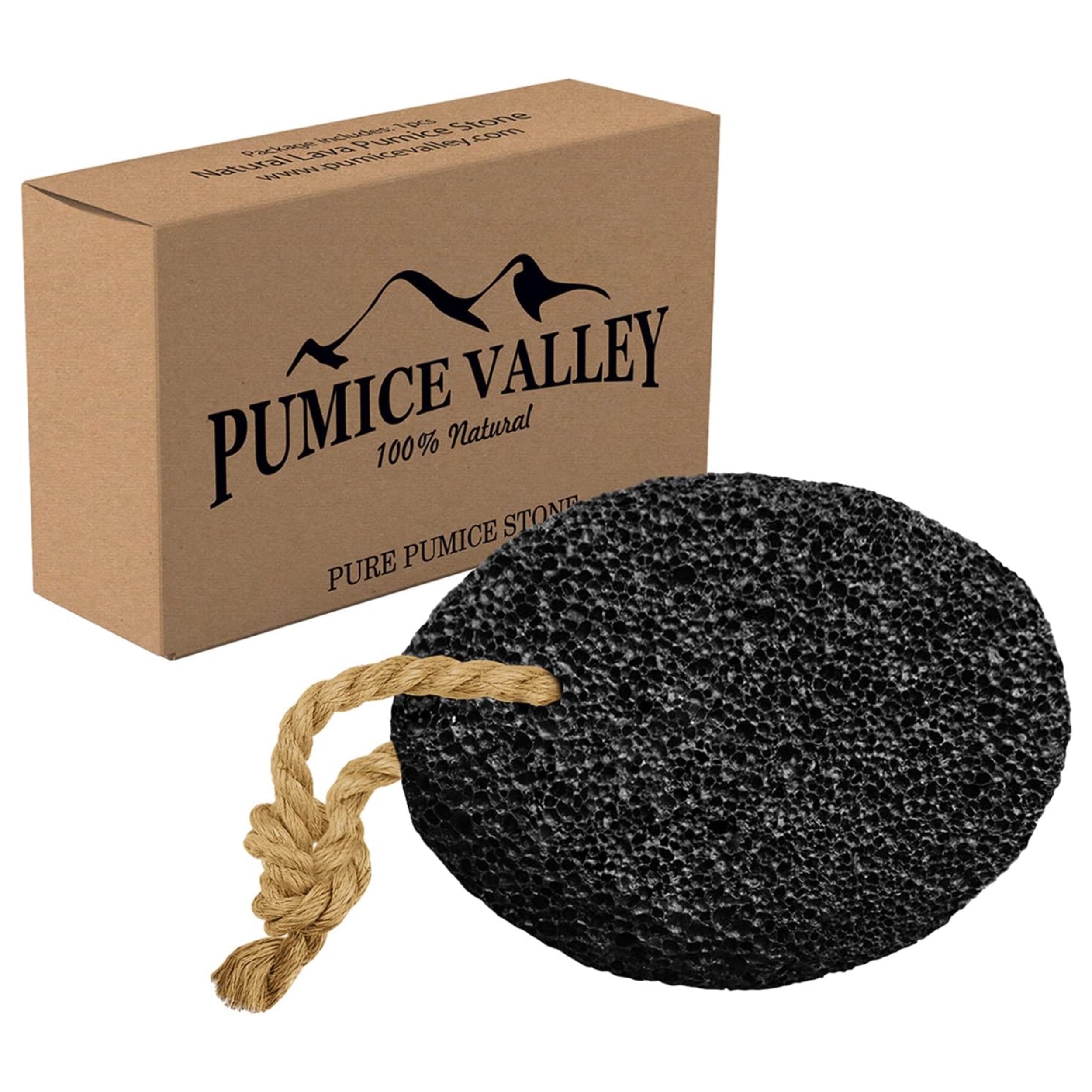
Yes, pumice stones can help smooth uncomplicated rough surface buildup on feet, but they are not a one-session fix for every rough patch. If your pumice stone is not working on your feet, the problem is usually technique, timing, expectations, or the type of skin change involved.
It may be that the skin is too dry, too thick, too irritated, or being scrubbed the wrong way.
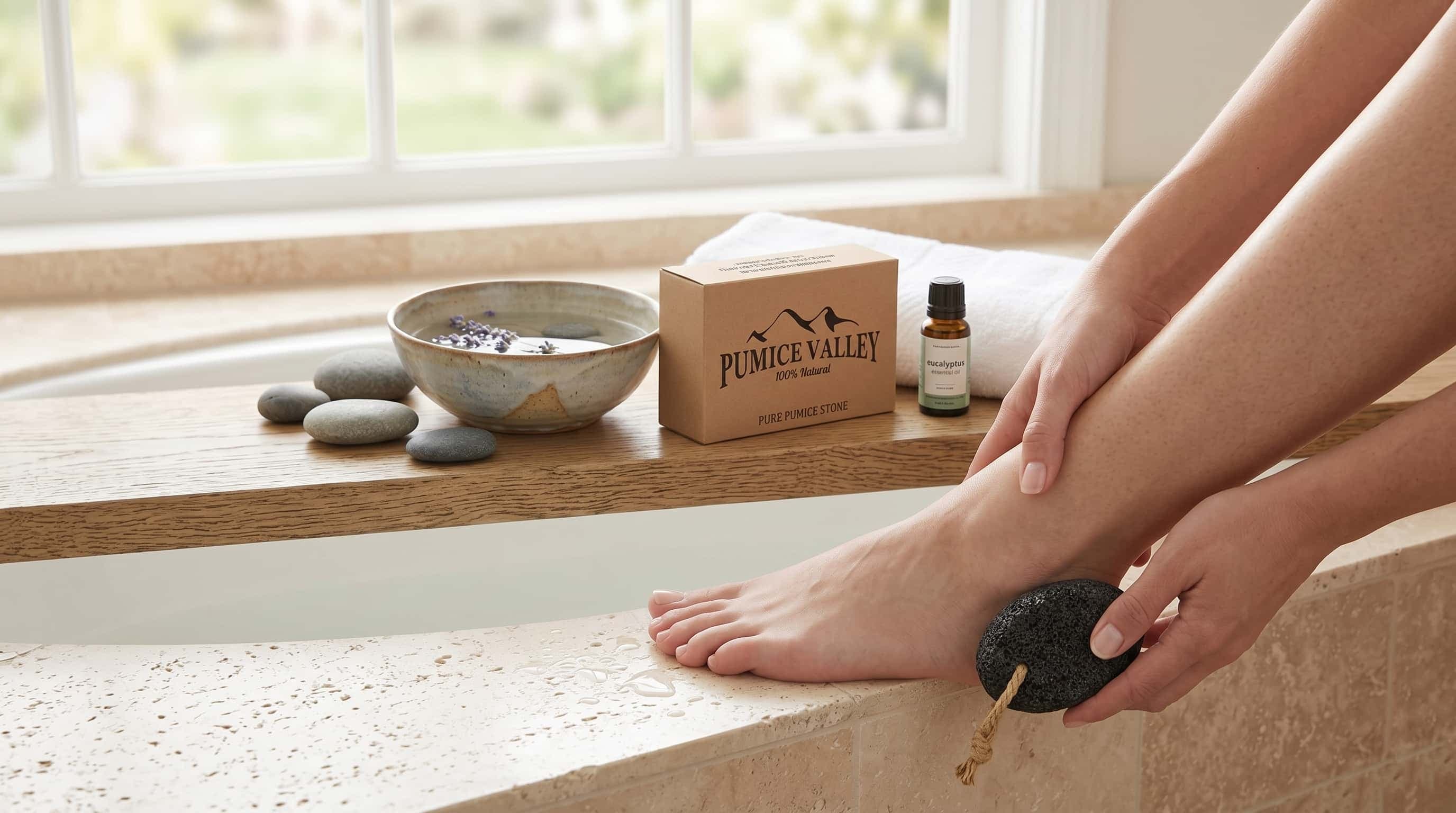
A pumice stone works best when it is used on softened skin, with gentle pressure, and as part of a routine that also includes moisture. For the complete method, follow how to use a pumice stone on your feet. If you use it on hard dry skin and keep scrubbing harder when nothing changes, you often end up with rougher-feeling feet rather than smoother ones.
Quick Answer
If a pumice stone is not working on your feet, the most common reasons are:
- you are using it on dry, unsoftened skin
- you are expecting one session to remove very thick buildup
- the callus is too deep or rigid for gentle exfoliation alone
- you are over-scrubbing and creating more irritation
- you are not moisturizing after exfoliating
- the problem may be cracked skin, corns, or another issue rather than simple surface buildup
For most people, a pumice stone works better after a shower or short soak, with light repeated passes, followed by a rich foot cream. It is a tool for gradual maintenance, not aggressive removal.
Why a Pumice Stone Sometimes Feels Useless
People often buy a pumice stone because they want a simple fix for rough heels.
That part makes sense. Pumice can work, but only on the kind of surface roughness it can gently reduce.
But what many people actually have is not just a thin layer of loose dry skin. It is a thicker pattern of hardened buildup created by pressure, friction, dryness, and time.
That matters because pumice works gradually. It is not supposed to shave the foot down in one aggressive session.
When expectations are too high, the usual response is to press harder.
That is where a good routine turns into a frustrating one.
1. You Are Using It on Skin That Is Too Dry
This is one of the biggest reasons pumice seems ineffective.
If the skin is dry, rigid, and chalky before you start, the stone tends to drag across the surface without smoothing it much. That can leave the heel feeling scratched but still thick.
A pumice stone usually works better when the skin has been softened first.
That is why people often get better results:
- after a shower
- after a bath
- after a short warm soak
Softened skin gives you a safer surface to work with. The goal is not to soak for an hour. It is just to let the outer buildup loosen enough that gentle exfoliation can actually do something.
2. The Buildup Is Thicker Than You Think
Some feet do not just have a little dry skin.
They have dense callused areas that built up from:
- long periods on the feet
- sandals or hard flooring
- running or walking friction
- pressure points at the heel or ball of the foot
- chronic dryness
If that is the case, one pumice session will not make the skin instantly smooth.
This is where many people assume the tool is bad when the real issue is that the buildup needs consistency, not force.
A better approach is:
- use the stone gently
- repeat the routine regularly
- moisturize between sessions
- reduce the friction that keeps the callus coming back
3. You May Be Scrubbing Too Hard
When nothing seems to happen, people usually increase pressure.
That often backfires.
Over-scrubbing can leave skin:
- tender
- inflamed
- red
- more uneven
- more likely to crack later
That is especially true if you keep working the same spot long after the skin has had enough.
Pumice is meant to reduce excess buildup gradually. It is not supposed to grind away healthy skin.
In many cases, lighter pressure actually works better because it lets you smooth the outer roughness without creating new irritation.
4. You Are Not Following With Moisture
Exfoliation and moisture work together.
If you remove some rough surface buildup but do nothing afterward to support the skin barrier, the area often dries back out and feels rough again quickly.
That can make it seem like the pumice stone did nothing.
After using a pumice stone, it helps to apply a richer foot cream to areas like:
- heels
- dry soles
- thickened sidewalls
Ingredients like urea, glycerin, shea butter, ceramides, and other barrier-supporting moisturizers often make more sense than a very light lotion.
Pumice reduces excess roughness. Moisture helps keep that roughness from becoming rigid again right away.
5. The Problem May Not Be a Simple Callus
Not every rough patch is the same thing.
Sometimes the issue is:
- a corn
- a crack that is already too deep
- inflamed skin
- peeling from irritation
- skin made worse by fungal changes
If the area is painful, split, burning, or very localized, more pumice may not be the right answer.
That is also why some people say a pumice stone does not work when what they really need is a different plan.
If the skin is already broken or tender, aggressive exfoliation usually makes things worse.
6. Your Routine Might Be Too Infrequent or Too Aggressive
A lot of failed pumice routines happen at one of two extremes.
Either:
- the tool is used once in a while with unrealistic expectations
or
- it is used too often and too harshly
Most feet do better with moderate consistency.
That means using pumice on softened skin, then giving the area time to recover and stay moisturized before the next session.
For many people, that looks more like a maintenance rhythm than a rescue event.
What To Do Instead If Pumice Is Not Working
If you want better results, simplify the routine. The step-by-step guide to using a pumice stone walks through preparation, pressure, stopping points, and cleanup in one place.
Step 1: Soften first
Use the stone after bathing or after a short warm soak.
Step 2: Use gentle passes
Work the rough area with light, controlled movements rather than heavy pressure.
Step 3: Stop before skin feels raw
You are trying to reduce excess buildup, not sand the foot smooth in one sitting.
Step 4: Moisturize immediately after
Apply a richer foot cream while skin is clean and slightly damp.
Step 5: Repeat consistently
If the buildup is thick, progress usually comes from a calmer repeated routine, not from one hard session.
When a Foot File May Make More Sense
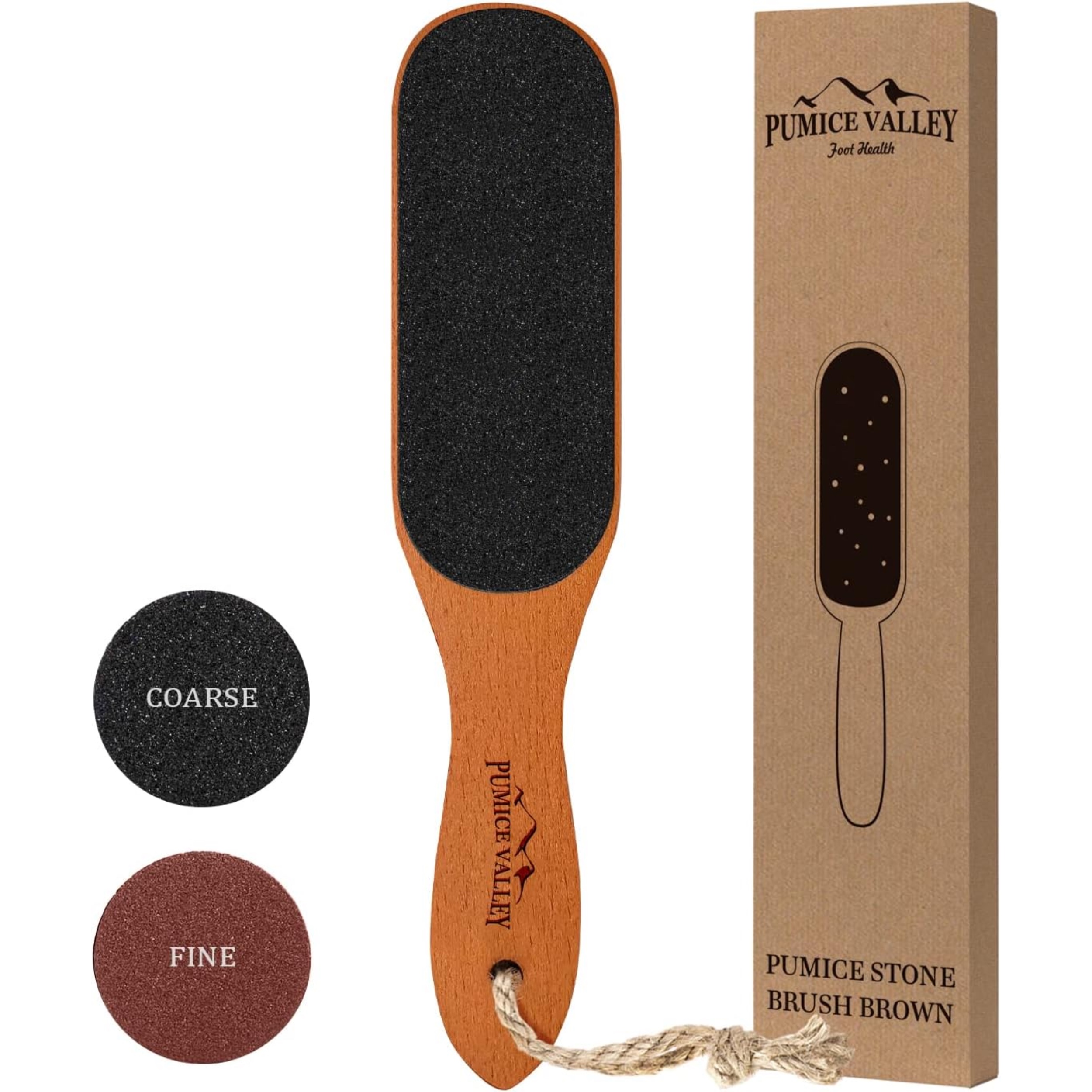
Some people compare pumice stones with foot files because their skin buildup is too thick for a softer-feeling tool to make enough visible progress.
That does not automatically mean pumice is bad.
It just means the right tool can depend on:
- how thick the buildup is
- how sensitive the skin is
- whether the goal is maintenance or heavier callus reduction
In general, pumice is often better for gentler ongoing smoothing, while a file may feel more effective on thicker buildup when used carefully.
When To Stop and Get Help
It is worth being more cautious if you have:
- bleeding cracks
- diabetes
- neuropathy
- swelling
- infection signs
- sharp pain
And if you keep trying to exfoliate the same area with no improvement, it is usually better to reassess the cause than to keep increasing force.
Final Verdict
Pumice stones can work on uncomplicated roughness, but they are not the right answer for every foot concern. If yours is not working, the answer is usually not to scrub harder.
The better answer is to soften the skin first, use gentler pressure, add consistent moisture, and accept that thicker buildup needs gradual care.
A pumice stone works best as part of a routine, not as a one-time fix. Start with how to use a pumice stone on your feet, then adjust based on how comfortable the skin remains.
FAQ
Do pumice stones work on feet?
They can help smooth uncomplicated rough surface buildup when used on softened skin with light pressure. They will not solve every rough, painful, cracked, or irritated area, and aggressive scrubbing can make the skin feel worse.
Why does my pumice stone do nothing on my heels?
The heel skin may be too dry or too thick for the stone to work well without softening first. Using it after a shower or short soak usually gives better results than using it on dry rigid skin.
Should you use a pumice stone on dry feet?
For most people, using a pumice stone on softened skin is safer and more effective than using it on dry feet. Dry skin tends to resist gentle smoothing and can become more irritated.
How long does it take for a pumice stone to work?
That depends on how thick the buildup is. Mild roughness may improve quickly, while thicker callus usually needs repeated sessions over time rather than one aggressive treatment.
Why do my feet still feel rough after using a pumice stone?
If you do not moisturize afterward, the skin can dry out again quickly. Roughness can also return fast if friction and pressure are still causing the buildup.
When should you stop using a pumice stone?
Stop if the skin feels raw, inflamed, painful, cracked, or starts bleeding. A pumice stone should gently reduce buildup, not damage healthy skin.
FAQ
Do pumice stones work on feet?^
They can help smooth uncomplicated rough surface buildup when used on softened skin with light pressure. They will not solve every rough, painful, cracked, or irritated area, and aggressive scrubbing can make the skin feel worse.
Why does my pumice stone do nothing on my heels?^
The heel skin may be too dry or too thick for the stone to work well without softening first. Using it after a shower or short soak usually gives better results than using it on dry rigid skin.
Should you use a pumice stone on dry feet?^
For most people, using a pumice stone on softened skin is safer and more effective than using it on dry feet. Dry skin tends to resist gentle smoothing and can become more irritated.
How long does it take for a pumice stone to work?^
That depends on how thick the buildup is. Mild roughness may improve quickly, while thicker callus usually needs repeated sessions over time rather than one aggressive treatment.
Why do my feet still feel rough after using a pumice stone?^
If you do not moisturize afterward, the skin can dry out again quickly. Roughness can also return fast if friction and pressure are still causing the buildup.
When should you stop using a pumice stone?^
Stop if the skin feels raw, inflamed, painful, cracked, or starts bleeding. A pumice stone should gently reduce buildup, not damage healthy skin.