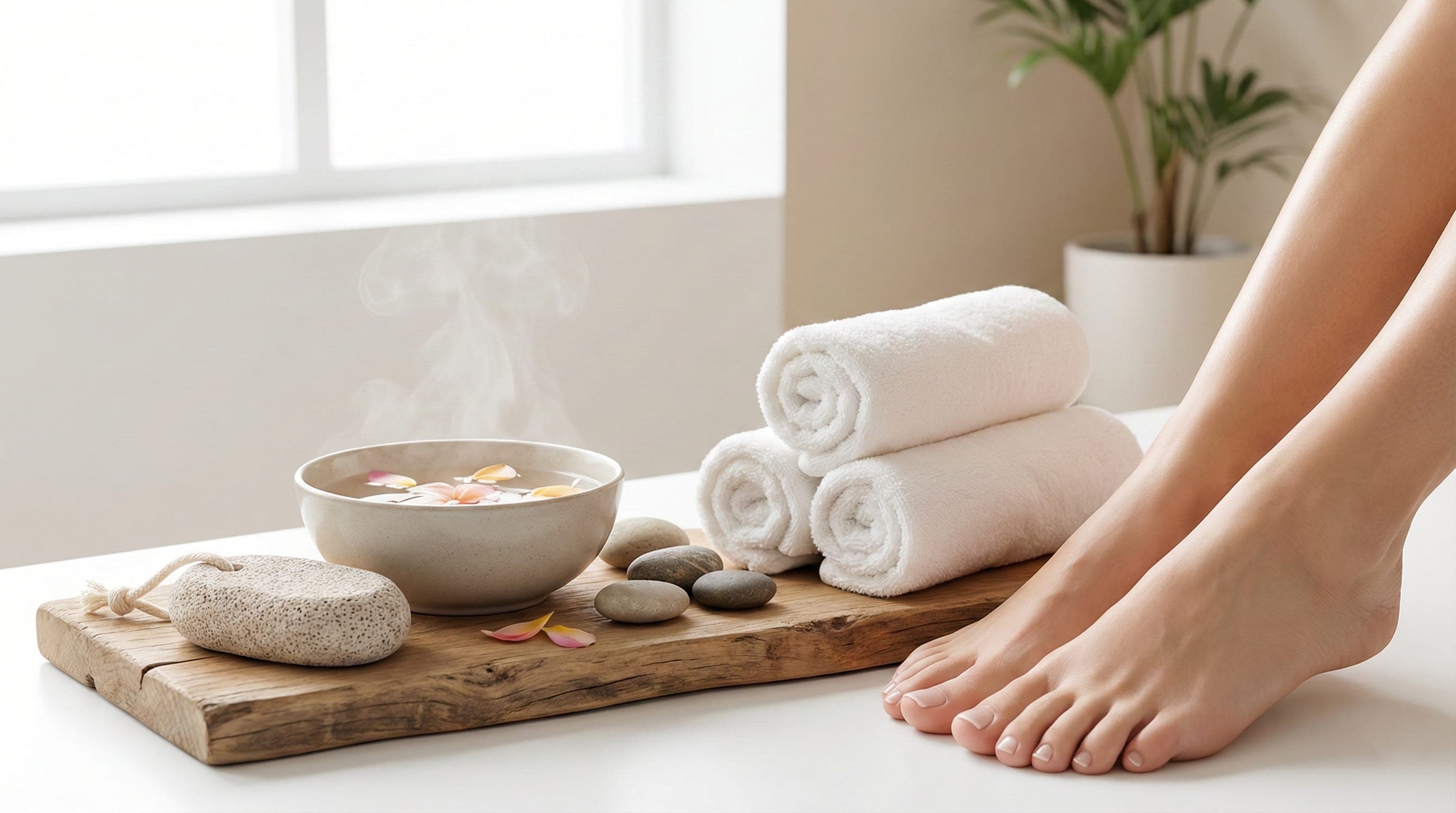
Pumice Stone FAQs: How to Use, Clean, and Choose One for Your Feet
Pumice stone FAQs
Get clear answers to common pumice stone questions: what they do, whether to use one wet or dry, how to use and clean one, when to replace it, and when to pause.
If you are wondering what a pumice stone does, how to use one, or whether it is right for your feet, this FAQ hub gives you the short answer and points you to the detailed guide for each topic. In general, a pumice stone is a personal exfoliating tool for gently smoothing softened, intact skin. It is not a reason to scrub harder or to work over painful, broken, or inflamed skin.
Quick answers
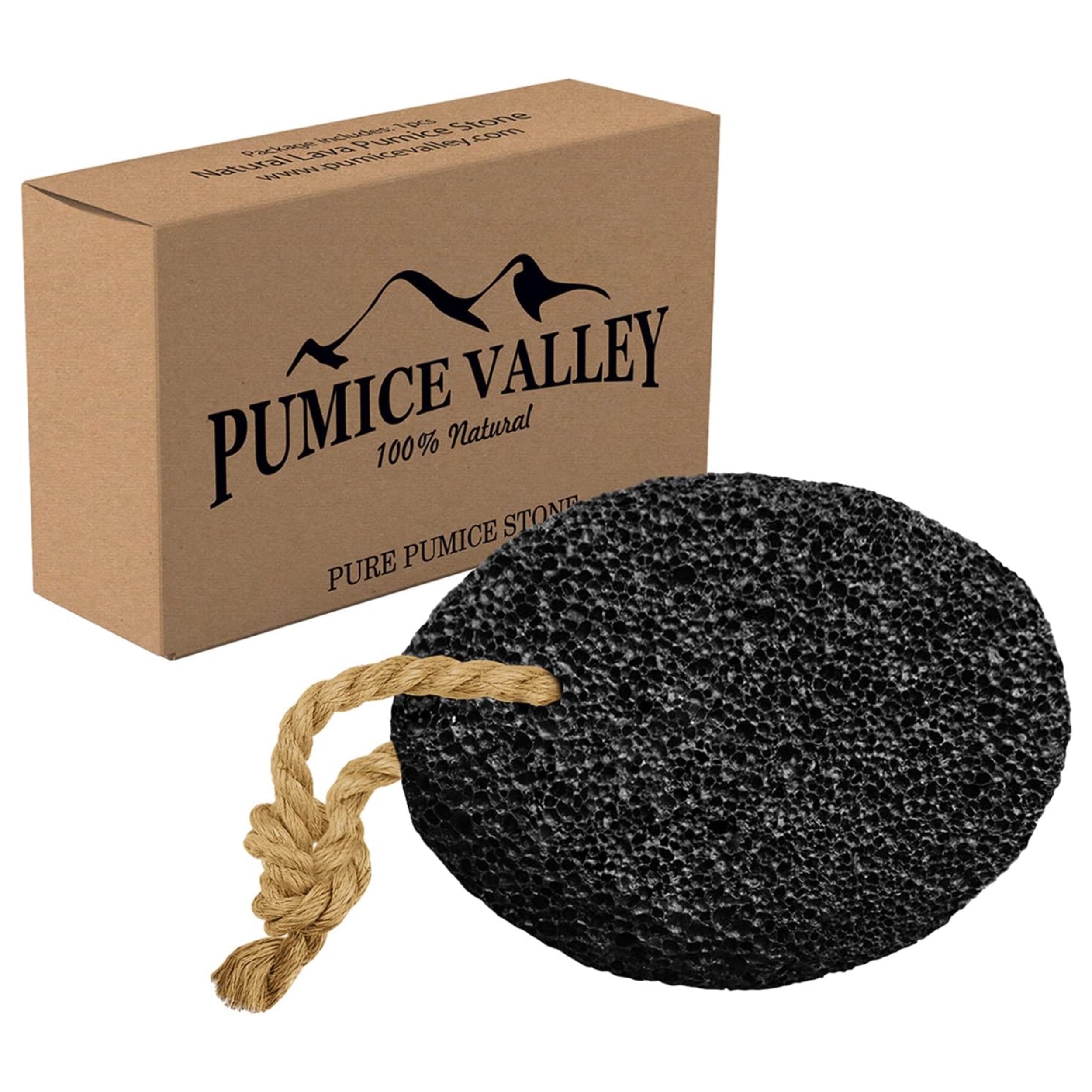
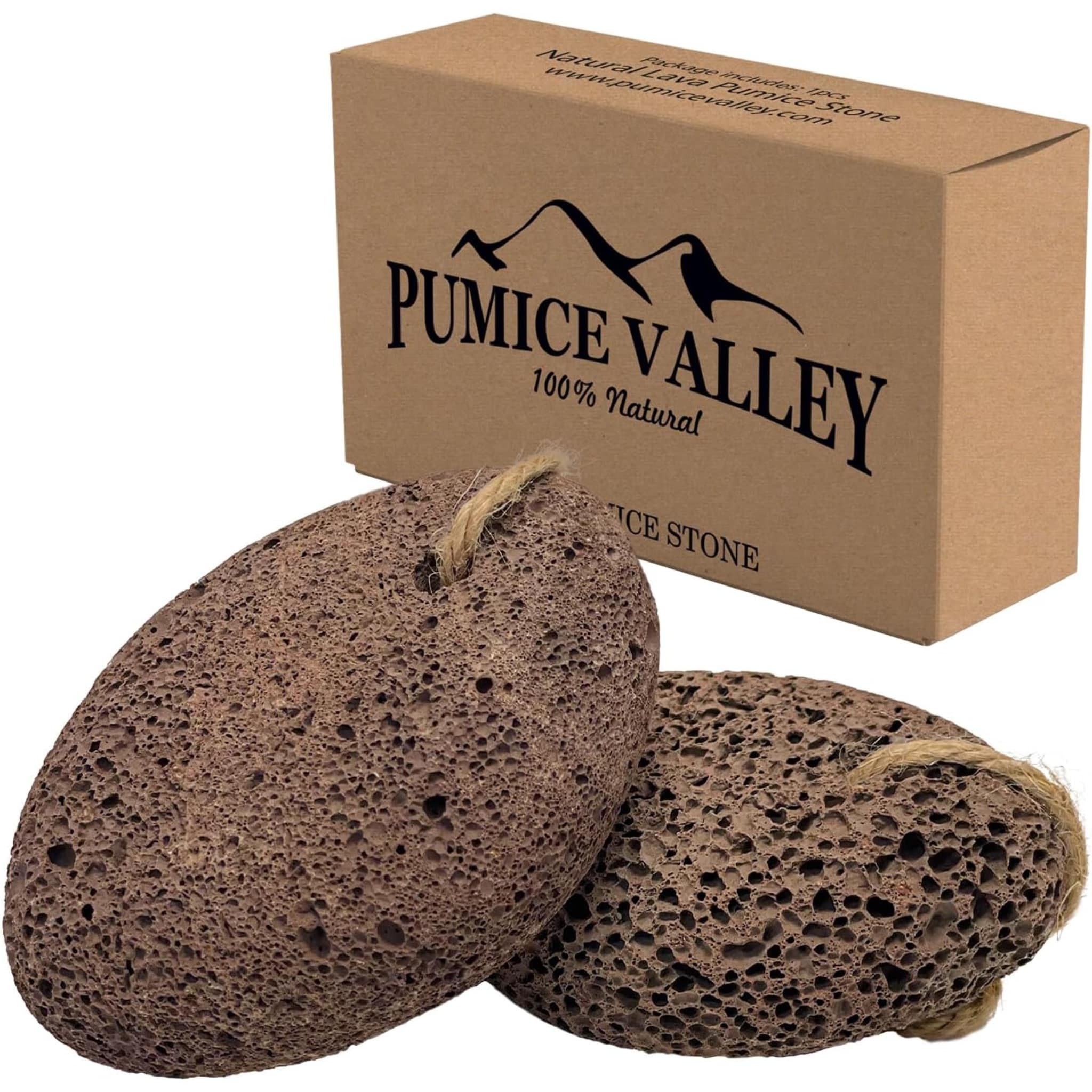
What does a pumice stone do?
A pumice stone lightly buffs softened areas of rough, thickened surface skin, often around the heels and soles. It works best as part of a gentle routine rather than as a one-time attempt to remove every rough patch. For a fuller explanation, read why your pumice stone may not be working on your feet.
Should you use a pumice stone wet or dry?
Use it on softened, damp skin for most foot-care routines. After a shower, bath, or short warm soak, make a few light passes rather than scrubbing dry, rigid skin. See should you use a pumice stone wet or dry? for the comparison and method.
How do you use a pumice stone on your feet?
Soften the skin, wet the stone, use light pressure on a small area, and stop before the skin feels sore or tender. Rinse and dry the stone afterward, then moisturize your feet if that suits your routine. Do not keep rubbing simply because the first pass did not remove everything. The wet-versus-dry guide and foot exfoliation guide cover the process in more detail.
How often should you exfoliate your feet?
Start with about once a week and adjust only if your skin remains comfortable. Some people may use a gentle routine up to twice weekly, but soreness, redness, burning, or increased sensitivity are signs to pause. Read how often you should exfoliate your feet for a practical schedule.
How do you clean a pumice stone?
Rinse it after every use, brush away trapped residue, wash it with mild soap when needed, rinse thoroughly, and let it air-dry completely. Store it somewhere with good airflow instead of on a constantly wet shower ledge. Follow the complete pumice stone cleaning guide.
How long does a pumice stone last?
There is no fixed replacement date. Replace it when it stays dirty or odorous after cleaning, develops visible mold-like growth, crumbles, cracks, or no longer feels hygienic and effective. See how often to replace a pumice stone.
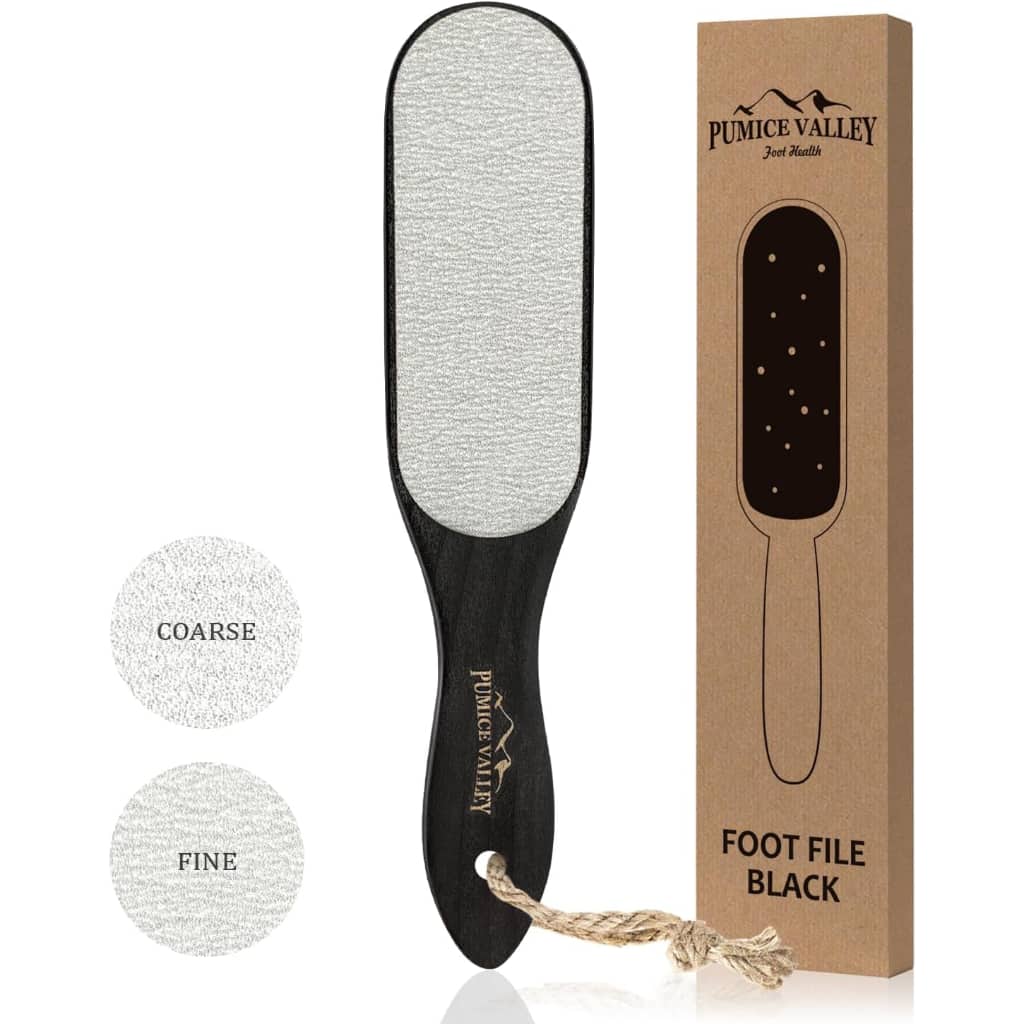
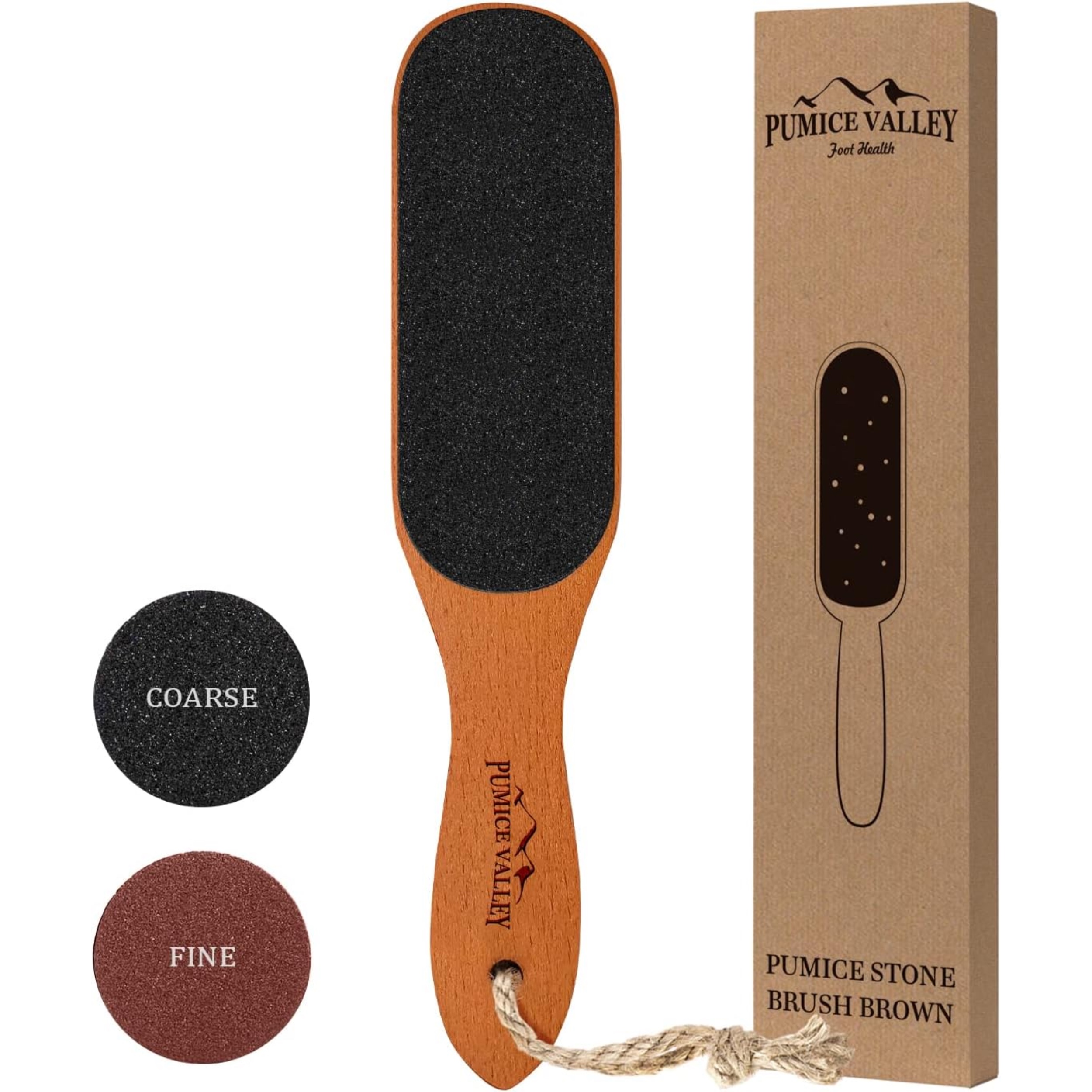
Is a pumice stone better than a foot file?
Neither tool is best for every situation. A pumice stone is often a useful choice for gentler routine maintenance, while a foot file can offer more focused control over a small area of thicker buildup. Compare pressure, texture, and use cases in pumice stone vs foot file.
What is the best pumice stone for feet?
Look for a texture you can control, a comfortable grip, and a size that fits the areas you want to reach. The roughest stone is not automatically the best choice. Use the best pumice stone guide to compare texture, shape, control, and routine.
When should you stop using a pumice stone?
Pause if your skin feels sore, raw, burning, unusually sensitive, or increasingly red. Do not use a pumice stone over open, bleeding, infected, or actively inflamed skin. If a foot concern is painful, persistent, or unclear, get appropriate professional advice rather than trying to scrub it away. The dedicated guides above also explain safer limits for cleaning, exfoliation, and tool selection.
Pumice stone FAQ
Can you use a pumice stone every day?
Daily exfoliation is usually unnecessary. Start with once-weekly use and let your skin response guide the routine. More frequent scrubbing can leave feet feeling more irritated rather than smoother.
Can you share a pumice stone?
No. Treat a pumice stone as a personal foot-care tool. Keeping it personal also makes cleaning and replacement easier to manage.
Should you moisturize after using a pumice stone?
Moisturizing after gentle exfoliation can be a simple way to support a comfortable routine. Apply a product your skin tolerates, and do not use moisturizer as a reason to keep exfoliating irritated skin.
Can a pumice stone fix deep heel cracks?
A pumice stone is not a solution for deep, painful, bleeding, or inflamed cracks. Avoid exfoliating broken skin and seek appropriate professional advice when a problem is severe, persistent, or worsening.
How should you store a pumice stone?
Rinse it, remove residue, and let it dry fully in a clean, well-ventilated place. Good airflow matters more than keeping it hidden in a wet shower corner.
Explore the detailed guides
FAQ
What does a pumice stone do?^
A pumice stone lightly buffs softened areas of rough, thickened surface skin. It works best with gentle pressure as part of a routine, not as a way to scrub away every rough patch at once.
Should you use a pumice stone wet or dry?^
Use it on softened, damp skin for most foot-care routines. A shower, bath, or short warm soak can make gentle passes easier than scrubbing rigid, completely dry skin.
How do you use a pumice stone on your feet?^
Soften the skin, wet the stone, use light pressure on a small area, and stop before the skin feels sore or tender. Rinse and dry the stone afterward.
How often should you exfoliate your feet?^
Start with about once a week and adjust only if your skin remains comfortable. Soreness, redness, burning, or increased sensitivity are signs to pause.
How do you clean a pumice stone?^
Rinse it after every use, brush away residue, wash it with mild soap when needed, rinse thoroughly, and let it air-dry completely.
How long does a pumice stone last?^
There is no fixed replacement date. Replace it when it stays dirty or odorous after cleaning, develops visible mold-like growth, crumbles, cracks, or no longer feels hygienic and effective.
Is a pumice stone better than a foot file?^
Neither is best for every situation. A pumice stone can suit gentler routine maintenance, while a foot file can offer focused control over a small area of thicker buildup.
What is the best pumice stone for feet?^
Look for a texture you can control, a comfortable grip, and a size that fits the areas you want to reach. The roughest stone is not automatically the best choice.
When should you stop using a pumice stone?^
Pause if your skin feels sore, raw, burning, unusually sensitive, or increasingly red. Do not use a pumice stone over open, bleeding, infected, or actively inflamed skin.
Can you share a pumice stone?^
No. Treat a pumice stone as a personal foot-care tool and keep it clean and dry between uses.