Peeling Feet After Summer? What It Means and How to Fix It
嫩足
Peeling feet after summer can come from dryness, friction, over-exfoliation, or fungal irritation. The right fix depends on what pattern your skin is showing.
At the end of summer, a lot of people notice the same thing.
Their feet start peeling.
Sometimes it is the heels. Sometimes it is the tops of the feet after sun exposure. Sometimes it is the skin around the toes after weeks of heat, sweat, sandals, and long days outside.
The tricky part is that peeling does not always mean the same thing.
Quick Answer
Peeling feet after summer can happen because of:
- dryness from sun, heat, and open shoes
- friction from sandals and long walks
- over-exfoliation
- sweat and moisture buildup
- fungal irritation such as athlete's foot
The right fix depends on where the peeling is, whether it itches or burns, and what else the skin is doing besides flaking.
Why Summer Sets Feet Up for Peeling
Summer exposes feet to several stressors at once.
That includes:
- more sun exposure
- more time in sandals
- more friction from travel and walking
- more sweat
- more time around pools and locker rooms
One part of the foot may become too dry while another part stays too damp. That is why peeling after summer can look inconsistent and confusing.
1. Dryness and Sun Exposure
Sometimes peeling is just the skin responding to too much exposure.
The tops of the feet can burn easily because people forget to apply sunscreen there. When that happens, the skin may start peeling later as it recovers.
Heels and soles can also peel from a simpler kind of summer dryness:
- open shoes
- more time barefoot
- repeated washing
- long outdoor days
This type of peeling is often more about dryness and texture than itch.
2. Friction From Sandals and Long Walks
Summer footwear is not always gentle.
Straps, slides, and travel shoes can rub the same spots repeatedly until the outer skin becomes irritated and starts lifting or peeling. This is especially common:
- around the heel edges
- under strap lines
- on the ball of the foot
If the peeling matches a friction pattern, the solution is usually not more aggressive exfoliation. It is reducing the rubbing that caused it.
3. Over-Exfoliation in the Name of "Fixing" Summer Feet
People tend to notice their feet more in summer, which often leads to more scrubbing.
That can backfire.
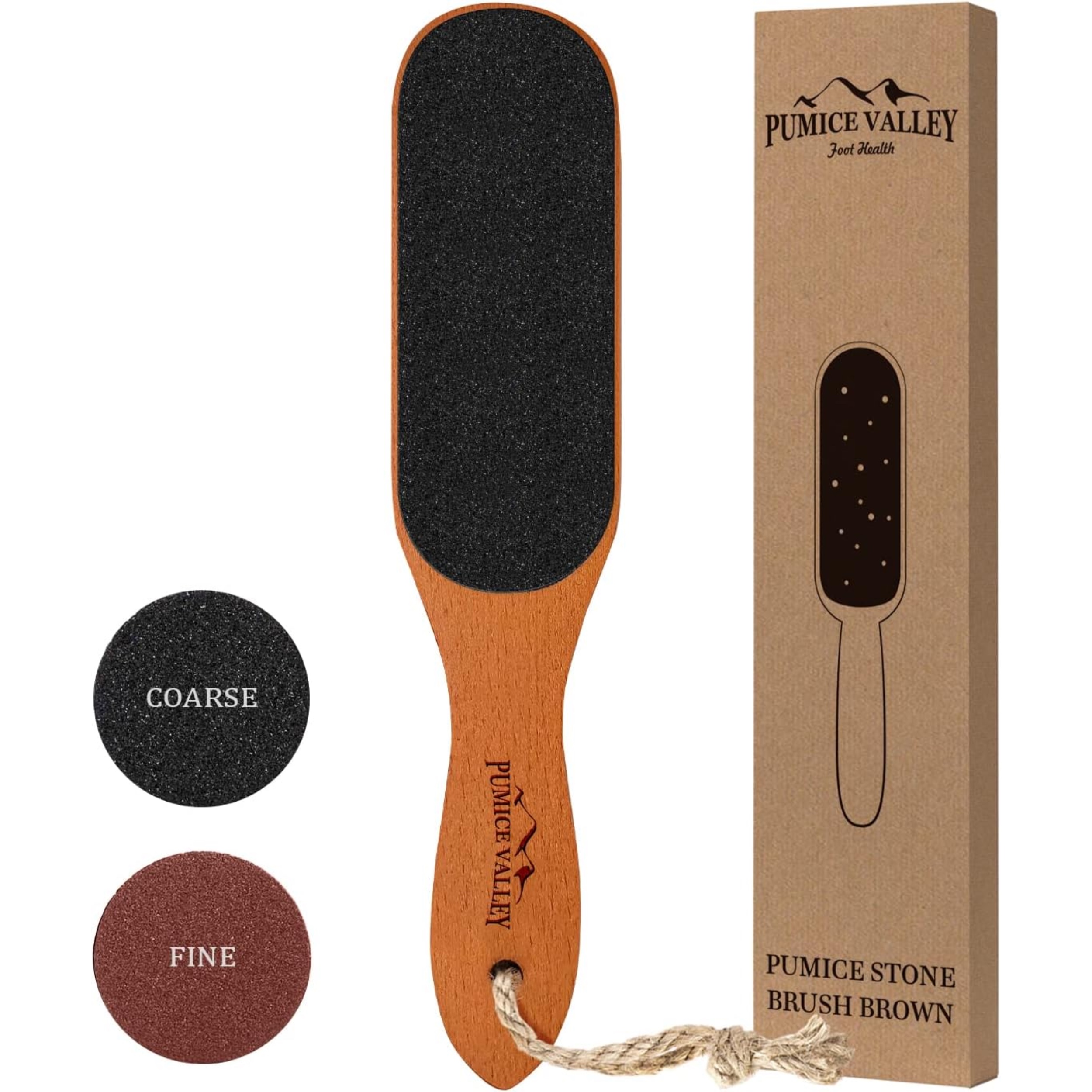
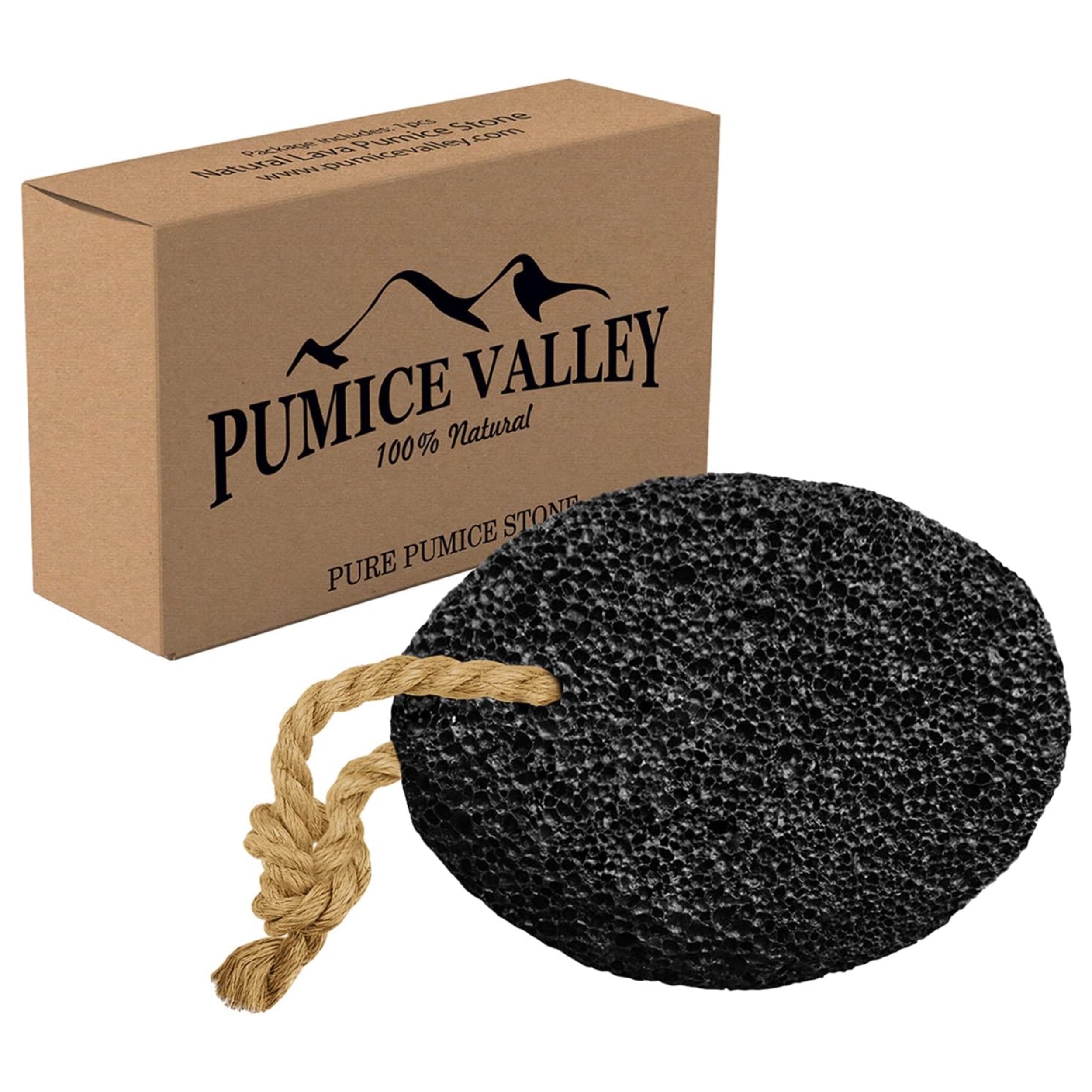
If you use a pumice stone, file, or rough scrub too often, the skin can become irritated and start flaking in a way that looks like dryness but is partly self-inflicted.
Peeling from over-exfoliation is more likely if the skin feels:
- tender
- tight
- sensitive
- raw in spots
In that case, the better move is usually to pause the scraping and focus on calmer barrier support.
4. Sweat and Damp Environments
Summer also creates the opposite problem.
Feet sweat more. Shoes stay warmer. Toe spaces stay damp longer.
That can lead to soft, peeling, irritated skin, especially between the toes. When that happens, more cream is not always the answer.
The area may need:
- better drying
- sock changes
- more breathable footwear
- less time in damp shoes
This pattern often feels different from ordinary dry heel peeling because it tends to involve more irritation and moisture retention.
5. Athlete's Foot Can Look Like "Just Peeling"
This is one of the biggest mistakes people make after summer.
If the peeling is:
- itchy
- burning
- centered between the toes
- white or soggy-looking
- persistent despite basic care
then simple dryness becomes less likely.
That pattern can fit athlete's foot more than ordinary seasonal peeling.
How to Tell What Kind of Peeling You Have
Use these quick clues.
More likely dryness or sun-related peeling
- heel or top-of-foot location
- tight or rough feeling
- little or no itch
- follows sun, sandals, or dryness
More likely friction-related peeling
- appears where shoes or straps rub
- follows travel, walking, or new footwear
- localized to clear pressure points
More likely fungal or moisture-related peeling
- between the toes
- itchy or burning
- white, damp, or macerated-looking
- keeps coming back
What Usually Helps
The fix should match the pattern.
If the peeling seems dry and sun-related
- use a gentle, richer moisturizer
- protect exposed feet with sunscreen going forward
- avoid aggressive exfoliation while the skin settles
If the peeling seems friction-related
- reduce rubbing from the shoes
- protect hot spots early
- avoid more scraping on irritated areas
If the peeling seems moisture-related
- dry carefully between the toes
- change damp socks sooner
- let shoes dry fully
If the pattern suggests athlete's foot
- consider an over-the-counter antifungal
- keep the area dry
- stop assuming heavier cream will solve it
What Not to Do
When feet start peeling, people often make the same mistakes:
- scrubbing harder
- using strong acids on already irritated skin
- putting thick ointment between damp toes
- wearing the same sweaty shoes again and again
These responses can make the skin look busier without actually helping it recover.
When to Get Help
It is worth getting medical advice if:
- the peeling is painful
- there is spreading redness
- the skin is deeply cracked
- there is drainage
- the rash does not improve
- you have diabetes or poor circulation
At that point, it is smarter to stop guessing.
Final Verdict
Peeling feet after summer can mean several different things.
Sometimes it is simple dryness from sun and exposure.
Sometimes it is friction.
Sometimes it is over-exfoliation.
And sometimes it is athlete's foot hiding behind a "my feet just look dry" story.
If you match the routine to the pattern, the skin usually settles much faster than if you treat every kind of peeling like the same problem.
FAQ
Why do feet peel more after summer?^
Summer can expose feet to more sun, friction, sweat, and over-exfoliation, all of which can contribute to peeling.
Is peeling feet after sun exposure normal?^
Mild peeling can happen after sun exposure, especially on the tops of the feet, but it should still be treated gently and protected going forward.
Should you exfoliate peeling feet?^
Not aggressively. If the skin is already irritated, more scrubbing often makes peeling worse rather than better.
How can you tell if peeling feet might be athlete's foot?^
Itching, burning, persistent peeling between the toes, or white soggy-looking skin make athlete's foot more likely than simple dryness.
What helps peeling feet heal faster?^
The best approach depends on the cause, but gentle moisturizing, reducing friction, keeping damp areas dry, and avoiding over-scrubbing are common helpful steps.