Most People Ruin Their Feet Before Summer — Don’t Do This
夏季足部护理的艺术
Most people notice dry, rough feet when summer begins — but few understand why it happens or how to fix it properly. This simple routine explains how to keep your feet soft, smooth, and healthy all season.
Introduction
The shift in seasons changes more than the weather — it changes how your skin behaves. As winter fades, your feet are exposed again to sunlight, heat, and constant movement. What was hidden becomes visible: dryness, rough texture, and small cracks that formed over time. Most people try to fix it quickly, but healthy skin doesn’t respond well to force — it responds to consistency. Preparing your feet for summer is not about aggressive correction, but about restoring a simple routine that allows the skin to repair itself naturally.
Why Feet Change in Summer
Summer increases both exposure and stress on your feet. Long walks, travel, and daily activity create constant pressure, especially on the heels. At the same time, heat pulls moisture out of the skin, while open shoes leave it unprotected. Surfaces become hotter and more abrasive, increasing friction. In response, the body thickens the skin to protect it. This is natural — but over time, this protective layer becomes rigid, loses flexibility, and eventually begins to crack when it can no longer stretch.
Understanding Foot Skin
The skin on your feet is built differently. It is thicker and stronger to support weight and movement, but it lacks one key function — it cannot hydrate itself. Unlike other areas of the body, feet do not produce natural oils, which makes them fully dependent on external care. During summer, this becomes more noticeable as moisture evaporates faster and dryness goes deeper. Without consistent care, the skin hardens and loses flexibility. This is why occasional treatments don’t work — the skin needs continuity, not intensity.
The 3-Step Ritual
Healthy skin is not the result of random effort — it comes from a simple system repeated over time.
Step 1: Exfoliation
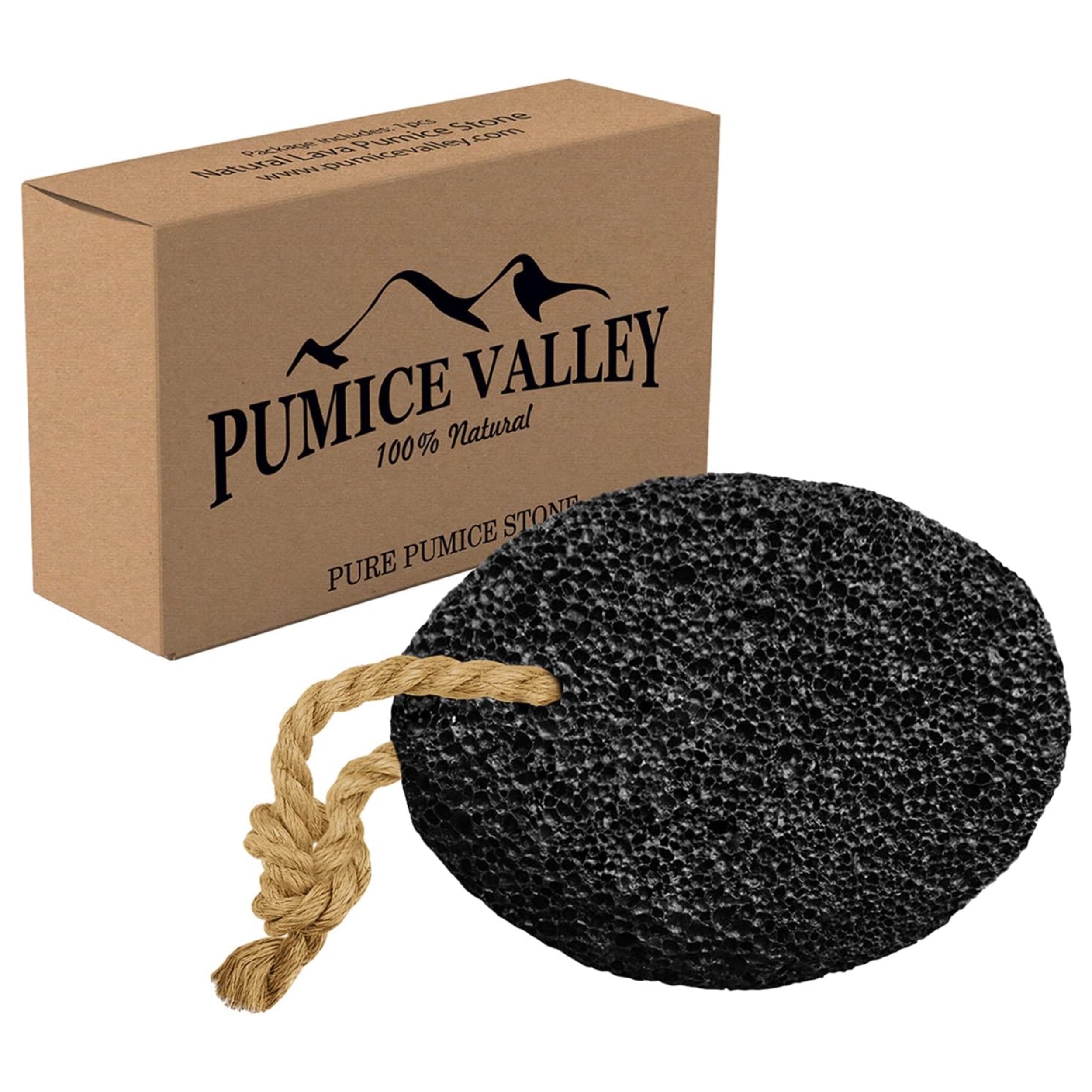
Dry, hardened skin creates a barrier that prevents effective care. Gentle exfoliation removes this layer and allows the skin to reset. A natural pumice stone is one of the most balanced tools for this, thanks to its porous texture formed by volcanic activity. When used on damp skin, it smooths without damaging, removing only what is unnecessary. The goal is control, not aggression. Two to three times per week is enough to maintain balance.
Step 2: Repair & Hydration
After exfoliation, the skin becomes more receptive to hydration. This step is not just about adding moisture, but about restoring flexibility and preventing future cracks. A well-formulated foot cream should draw moisture into the skin, soften the surface, and support repair in weakened areas. The texture should be light enough to absorb quickly but rich enough to protect. Daily application, especially in the evening, helps the skin recover consistently.
Step 3: Maintenance
Results come from repetition, not intensity. Small actions done regularly improve the skin over time. Gentle exfoliation combined with daily hydration creates stability. The goal is not perfect skin, but resilient skin that remains soft and flexible even under daily stress.
Foot Care During Active Days
Summer brings constant movement, which increases friction and fatigue in the feet. Sand can smooth the skin but may also irritate it when overheated. Shoes provide protection but can create pressure points if poorly fitted. Practical care becomes essential: keep the skin balanced, reduce friction where possible, and most importantly, return to your routine at the end of the day. Even a few minutes of consistent care in the evening can restore what daily activity takes away.
Common Mistakes
Most problems are caused not by neglect, but by overcorrection. Too much exfoliation leads the skin to rebuild itself thicker. Harsh tools damage the surface instead of refining it. Inconsistent care allows dryness to return quickly. Skipping hydration after exfoliation leaves the skin exposed and vulnerable. The solution is simple — less force and more consistency.
Simple Routine
You don’t need complexity, only rhythm. Exfoliate gently two to three times per week and apply a good foot cream daily. This is enough to maintain soft, healthy skin over time.
Skin does not change overnight, but it responds steadily when given the right conditions. With a simple, consistent routine, your feet become softer, stronger, and more resilient. Not perfect — but naturally balanced and ready for the demands of summer.
FAQ
Why do my feet get dry in summer?^
During summer, heat and open shoes increase moisture loss. At the same time, constant walking creates pressure and friction, especially on the heels. This causes the skin to thicken and eventually become dry and rough.
How often should I use a pumice stone on my feet?^
2–3 times per week is enough. Overusing a pumice stone can irritate the skin and actually make it thicker over time.
Is a pumice stone better than a foot file?^
A pumice stone is generally gentler and more suitable for regular maintenance. Foot files can be more aggressive and are better for occasional use on very thick skin.
Why are my heels still cracked even after using cream?^
Cream alone often isn’t enough. If dead skin is not removed first, moisture cannot properly penetrate. Exfoliation + hydration together give the best results.
What is the best way to fix dry, cracked feet?^
A simple routine works best: - gentle exfoliation (2–3 times per week) - daily hydration with a good foot cream Consistency is more important than intensity.
Can I use a pumice stone every day?^
No. Daily use can damage the skin barrier and cause more dryness. It’s better to use it a few times per week and focus on daily hydration.