Why Your Feet Get So Dry — And the Simple Ritual That Helps Them Heal
脚部干燥
Dry feet are often caused by thick skin, friction, and moisture loss. Learn why it happens, why some creams do not help, and the simple routine that works.
Why Your Feet Get So Dry
Dry feet rarely happen for just one reason.
The skin on your feet is naturally different from the skin on the rest of your body. It is thicker. It takes more pressure. And on the soles, it has no oil glands to help keep the surface soft on its own.
That is why dryness on the feet can build slowly, then suddenly feel much worse. What starts as roughness can turn into flaking, hard skin, or cracked heels that catch on fabric and feel uncomfortable when you walk.
The good news is that dry feet usually respond well to steady, simple care. Once you understand what is causing the dryness, it becomes much easier to choose the right routine.
Why feet get so dry in the first place
Feet go through more daily friction than almost any other part of the body.
Every step creates pressure on the heels and soles. Over time, the skin responds by becoming thicker and tougher. That can be protective at first, but when thick skin loses moisture, it also loses flexibility. Instead of feeling soft and resilient, it starts to feel rough, tight, and brittle.
A few common things make this worse:
- hot showers that leave skin stripped and tight
- open shoes that expose the heels to dry air
- long hours on your feet
- hard floors and constant friction
- aging skin that holds less moisture over time
- not applying enough rich moisture after exfoliating
Sometimes it is not one big cause. It is just a collection of small habits that slowly dry the skin out.
Why your feet can stay dry even after using cream
This is one of the most frustrating parts.
Many people do use moisturizer — and still feel like nothing changes.
Usually, that happens for one of three reasons:
1. The skin is too thick
If there is a buildup of rough or callused skin, light moisture may stay on the surface without reaching the layers that need help most.
2. The formula is too light
A thin body lotion may feel nice at first, but very dry heels often need something richer and more protective.
3. The routine is inconsistent
One good session helps, but it does not undo weeks or months of dryness. Feet respond best to calm, regular care.
When dryness turns into rough heels or cracks
Dry feet often become cracked heels for a simple reason: pressure.
The heel has to expand slightly when you walk. If the skin is soft, it stretches. If it is very dry and thick, it does not stretch well. It splits.
That is why cracked heels are often linked to a combination of dryness, thickened skin, and daily pressure.
If your heels feel rough, look pale or flaky, or catch on socks and sheets, it is usually a sign that the barrier needs more than surface moisture.
Dry feet or something else?
Not every flaky foot problem is simple dryness.
Here is a useful way to think about it:
Dryness
Usually feels rough, tight, or mildly flaky. Often shows up on the heels, soles, or sides of the feet.
Thick buildup
Often looks yellowish or hardened and feels dense or coarse. This is usually callused skin from pressure and friction.
Peeling between the toes
This may be something other than dryness, especially if there is itching, irritation, or persistent peeling.
Red, irritated, reactive skin
If the skin feels inflamed, very itchy, or unusually sensitive, a basic dry-skin routine may not be enough.
If symptoms feel unusual, painful, or do not improve, it is worth getting them checked instead of continuing to scrub.
What actually helps very dry feet
The goal is simple: soften buildup, restore moisture, and protect the skin so it can stay comfortable.
Step 1: Soften first
Dry, rigid skin does not respond well to aggressive scrubbing.
Start with a short soak or use your pumice after a shower, when skin is softened and easier to work with.
Step 2: Exfoliate gently
This is where many people overdo it.
The goal is not to remove everything in one session. It is to reduce buildup gradually. Gentle, regular exfoliation works better than harsh scraping.
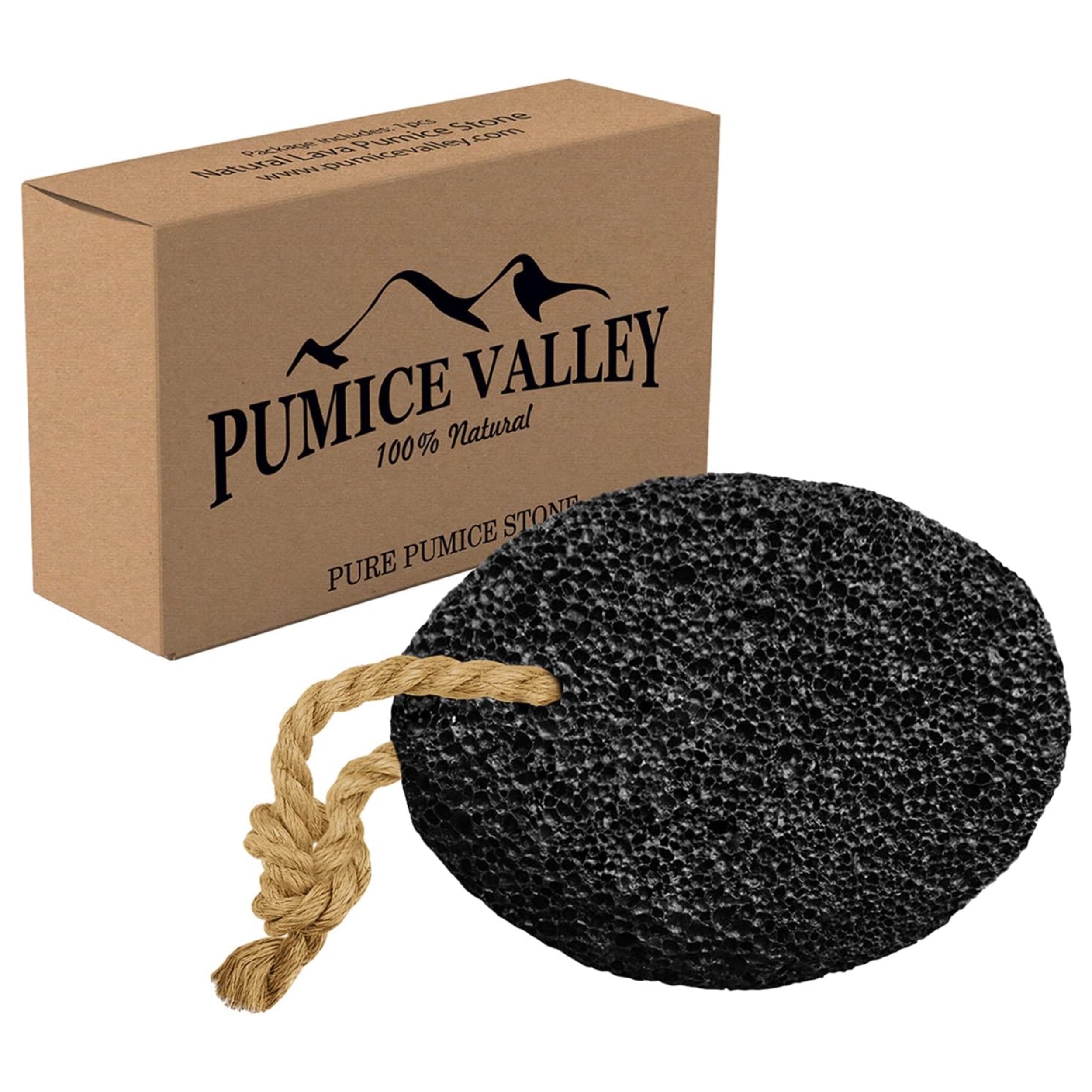
A natural pumice stone can be especially useful here because it helps smooth rough areas without turning foot care into an aggressive routine.
Step 3: Apply moisture while skin is still receptive
After exfoliating, apply a richer foot treatment right away.
Look for ingredients that help soften rough skin and support moisture retention, such as:
- urea
- lactic acid
- glycerin
- shea butter
- ceramides
Step 4: Seal it in
For very dry heels, evening is often the best time to apply a richer cream or balm.
This gives the skin time to rest, absorb, and stay protected overnight. Cotton socks can help keep that moisture close to the skin.
A simple ritual for dry feet
If your feet feel rough all the time, try this simple rhythm:
Daily
- Rinse feet and dry them well
- Apply foot cream to heels and dry areas
2–3 times per week
- Gently exfoliate softened skin with pumice
At night when feet feel especially dry
- Apply a richer layer of cream or balm
- Wear cotton socks overnight
This kind of care is not dramatic. That is exactly why it works.
Where a Pumice Valley routine fits
Pumice Valley already speaks clearly to this kind of care: natural materials, daily rituals, and products that support healthy skin over time. The site centers its foot-care story around gentle exfoliation, consistent moisture, and durable tools designed to become part of a regular routine.
That makes this article a natural fit for a soft product bridge:
After rough skin is gently reduced with natural pumice, a richer foot cream or balm can help restore comfort and keep the skin from drying out again. For readers building a simple ritual, that pairing makes sense: exfoliation first, then nourishment.
When to pause and be careful
Skip exfoliation if your skin is:
- bleeding
- deeply cracked
- inflamed
- showing signs of infection
Pumice Valley already advises avoiding exfoliation when skin is bleeding, inflamed, deeply painful, or actively infected, which is the right level of caution for this type of article.
Final thought
Dry feet are common, but they are rarely random.
Most of the time, they come from a mix of thick skin, daily friction, and not enough lasting moisture. Once you stop treating the problem like a quick fix and start treating it like a simple routine, the skin usually begins to respond.
Gentle exfoliation. Rich moisture. Consistency.
That is often the difference between feet that stay rough and feet that slowly return to softness.
FAQ
Why are my feet so dry even when I moisturize?^
In many cases, dryness persists because the skin on the feet is thicker and harder for light creams to penetrate. If there is a buildup of rough or callused skin, moisture often stays on the surface instead of reaching deeper layers. Gentle exfoliation combined with a richer, more nourishing product usually works better than moisturizer alone.
What is the fastest way to fix very dry feet?^
The most effective approach is a simple routine: 1. Soften the skin (after a shower or short soak) 2. Gently exfoliate rough areas 3. Apply a rich foot cream or balm 4. Lock in moisture overnight Consistency matters more than quick fixes.
How often should I use a pumice stone?^
For most people, using a pumice stone 2–3 times per week is enough. It should be used gently on softened skin, not aggressively. Over-exfoliating can make the skin more sensitive and lead to more dryness.
Why do my heels crack?^
Cracked heels usually happen when dry, thickened skin loses flexibility. When you walk, pressure causes the heel to expand slightly. If the skin is too dry and rigid, it cannot stretch and begins to split.
Can dry feet be something other than dryness?^
Yes. Peeling, itching, or irritation—especially between the toes—may be something else, such as a fungal issue or skin sensitivity. If symptoms don’t improve with a simple routine, it’s better to avoid over-exfoliating and look into the cause more carefully.
Is it better to use cream or balm for dry feet?^
Both can help, but very dry or cracked heels often respond better to richer formulas like balms or thicker creams, especially when used at night. They help keep moisture in the skin for longer.
Should I moisturize my feet every day?^
Yes. Daily care is one of the most effective ways to prevent dryness from building up. Even a small amount of regular moisture can make a noticeable difference over time.