Glass Foot File vs Pumice Stone vs Foot Rasp: Which Is Best for Rough Feet?
浮石 玻璃磨脚板 和脚锉怎么选
Glass foot files, pumice stones, and foot rasps work differently. Compare all three to choose the right tool for rough heels, thicker calluses, and gentler maintenance.
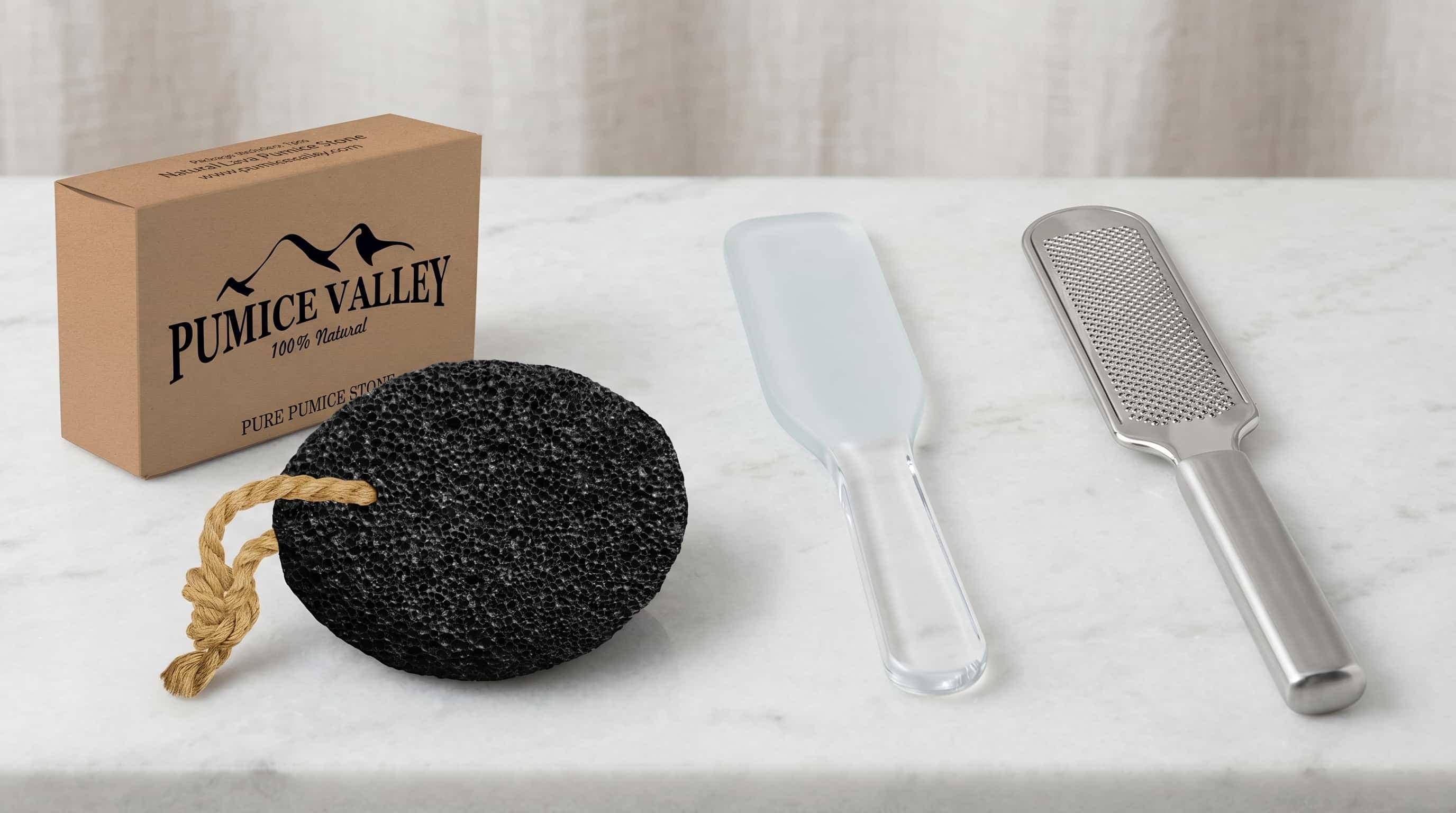
If you are comparing a glass foot file, a pumice stone, and a foot rasp, the best option depends on how thick the buildup is, how sensitive your skin feels, and how much control you want while exfoliating.
These tools do not feel the same on skin, and they are not equally suited to every heel problem.
For many people, the real question is not which tool is universally best. It is which tool makes the most sense for your current level of roughness, sensitivity, and maintenance habits.
Quick Answer: Glass Foot File vs Pumice Stone vs Foot Rasp
In general:
- a pumice stone is often best for gentler ongoing maintenance
- a glass foot file is often best for smoother, more controlled refinement
- a foot rasp is often best for thicker, heavier buildup when used carefully
If your skin is mildly rough, a rasp may feel too harsh. If your buildup is very thick, a pumice stone may feel too mild on its own. A glass file sits between those choices for people who want a more controlled smoothing tool.
This article covers the three-way choice. If you are deciding only between pumice and a foot file, see our focused comparison of pumice stone vs foot file.
A Simple Comparison Table
| Tool | Best For | Feel on Skin | Main Caution |
|---|---|---|---|
| Pumice stone | light to moderate roughness | textured but usually gentler | may feel too mild on thick callus |
| Glass foot file | smoothing and refinement | more even and controlled | can still overdo it if used too often |
| Foot rasp | thicker callus buildup | more aggressive removal | easier to overwork skin |
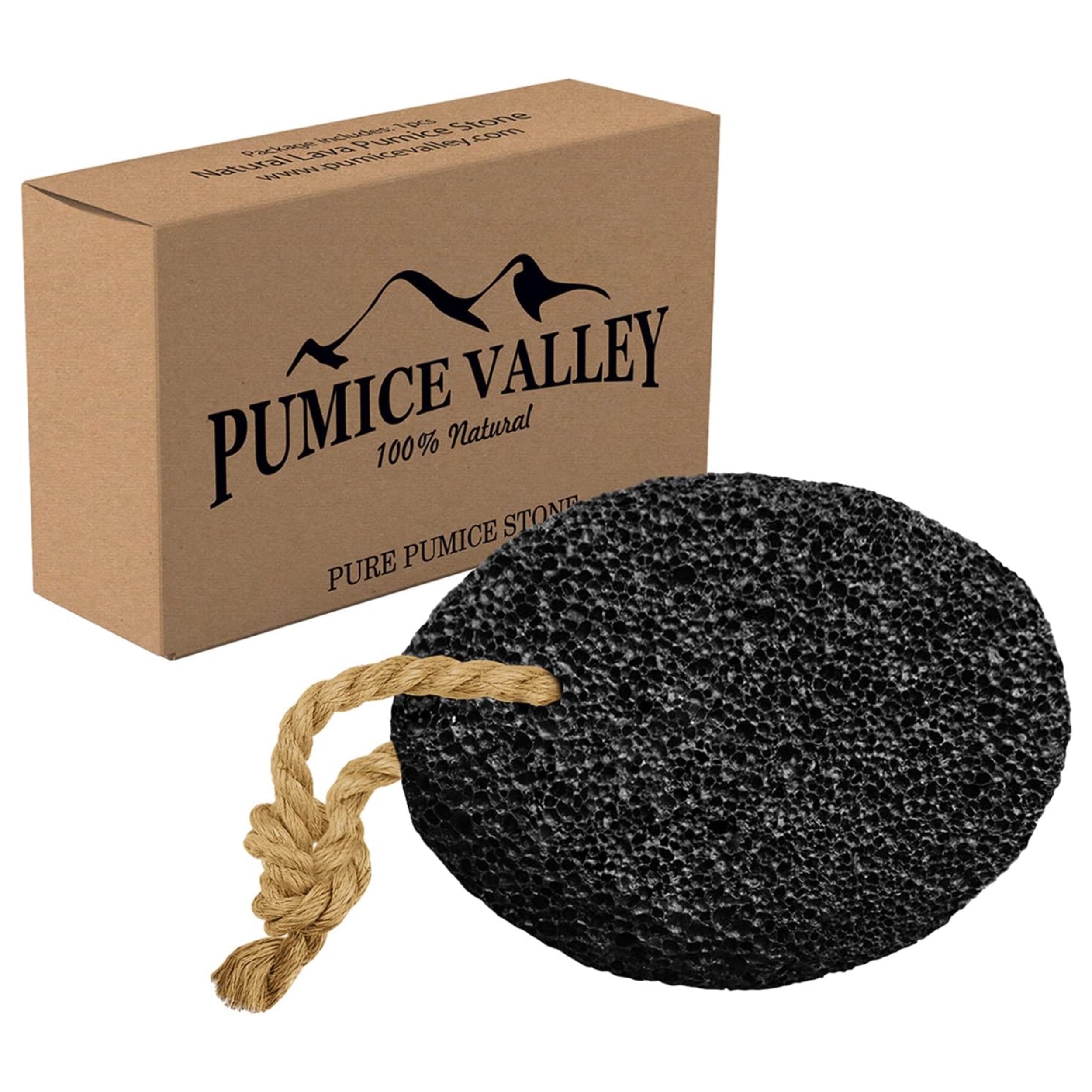
What a Pumice Stone Does Best
A pumice stone is usually the most familiar option.
It tends to work well for:
- routine maintenance
- light to moderate rough heels
- people who prefer a more natural-feeling exfoliation tool
- softened skin after bathing
Pumice is often a good fit when the goal is to keep buildup from becoming thick rather than trying to remove months of callus in one session.
Its main limitation is that some people with dense buildup find it too gentle.
That does not mean it is ineffective. It usually means it works best when used consistently.
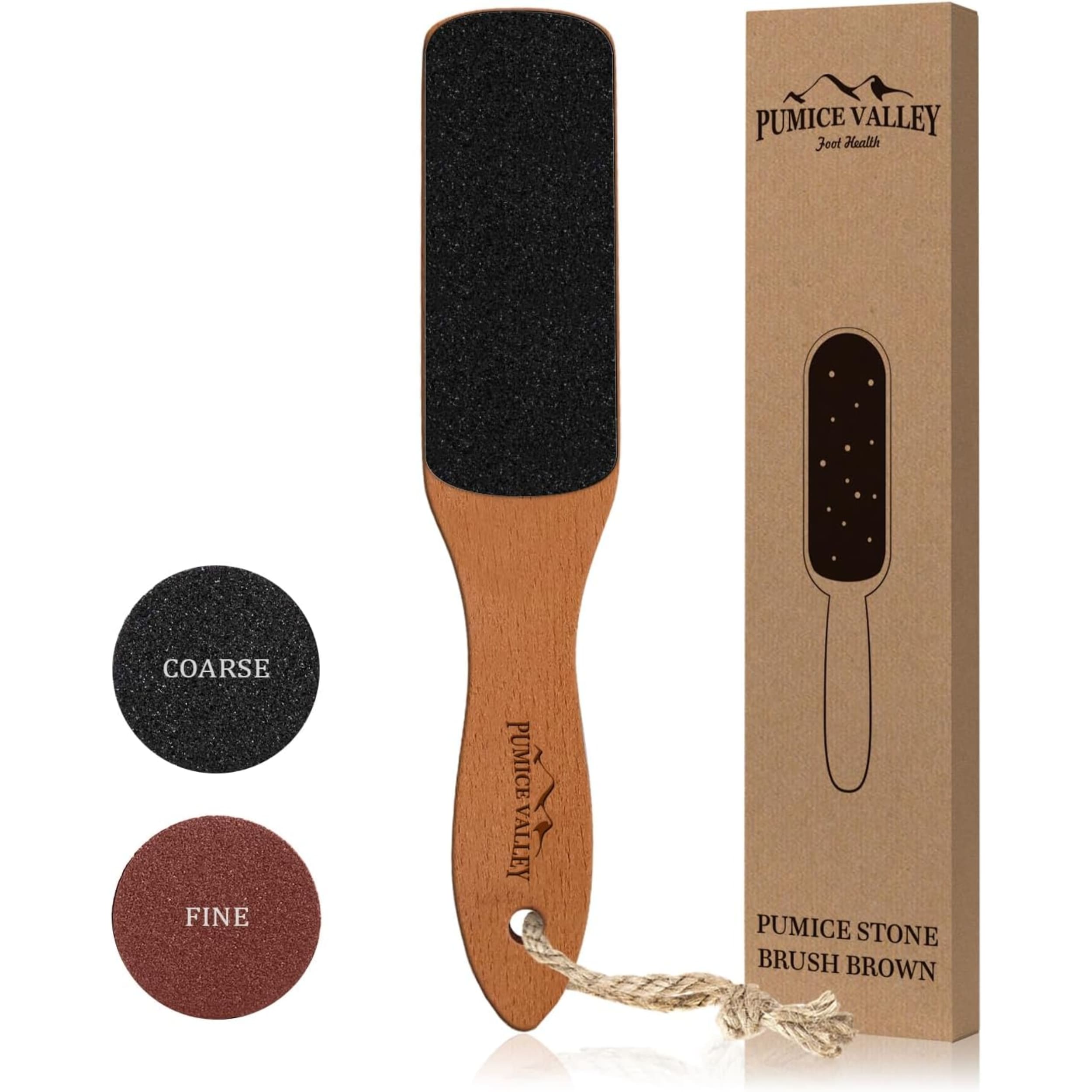
What a Glass Foot File Does Best
Glass foot files often appeal to people who want a more controlled smoothing effect.
They can work well for:
- refining rough texture
- regular upkeep
- people who want a tool that feels more precise than pumice
- smoothing rather than heavy scraping
Many people like that glass files can feel even and efficient without the rougher sensation of a rasp.
But they are not automatically “better” for everyone.
If the buildup is very thick and rigid, a glass file may still need repeated sessions rather than one dramatic result.
What a Foot Rasp Does Best
A foot rasp is usually the most aggressive of the three.
That is why it is often chosen for:
- thicker callus
- heavy heel buildup
- rough skin that lighter tools barely affect
It can feel effective quickly, which is exactly why it requires more care.
The risk with a rasp is not that it never works.
The risk is that it can work too aggressively in the wrong hands.
If people keep going because the tool seems powerful, they can remove more than they intended and leave the skin tender or reactive.
Which Tool Is Best for Rough or Cracked Heels?
If the heel is simply rough and thickened, the tool choice depends on severity.
But if the heel is already deeply cracked, the answer becomes more cautious.
Once skin is split, painful, or inflamed, aggressive exfoliation can irritate it further.
That means the best “tool” may actually be a gentler routine focused on:
- reducing surface roughness carefully
- moisturizing consistently
- easing pressure and friction
In that context, it is usually better to avoid forceful scraping. If you exfoliate at all, a gentle pumice stone or carefully controlled file routine is a more cautious choice than pushing hard with a rasp. Persistent, painful, or worsening cracks are a reason to seek advice from a qualified healthcare professional.
Which Tool Is Best for Calluses?
For thicker callus, a rasp may seem most effective because it removes buildup faster.
But speed is not the only factor that matters.
A smarter question is:
- how thick is the buildup
- how sensitive is the skin
- how confident are you with aggressive exfoliation
For moderate callus, many people can do well with a pumice stone or glass file used consistently. For very dense buildup, a rasp may be useful, but only if the skin is not already damaged and the pressure stays controlled.
Which One Is Better for Maintenance?
For ongoing upkeep, the gentler tools usually make more sense.
That is because maintenance is about keeping buildup manageable, not removing it dramatically every time.
In a maintenance routine:
- a pumice stone is often simple and familiar
- a glass file may feel cleaner and more controlled
- a rasp can be more tool than you actually need
How To Choose the Right One
Choose based on the problem in front of you.
Choose a pumice stone if:
- your heels are mildly to moderately rough
- you want gentler repeated use
- you prefer a traditional exfoliation tool
Choose a glass foot file if:
- you want more controlled smoothing
- you are focused on routine upkeep
- your roughness is noticeable but not extreme
Choose a foot rasp if:
- the buildup is thicker and more stubborn
- lighter tools have not done enough
- you can use a stronger tool without overdoing it
What All Three Tools Have in Common
No matter which one you choose, a few rules stay the same:
- use them more gently than your frustration tells you to
- do not keep exfoliating until skin feels raw
- moisturize after exfoliation
- reduce the friction that keeps callus coming back
The tool matters, but the routine matters more.
Final Verdict: Which Tool Should You Choose?
If you want the gentlest all-around maintenance tool, a pumice stone is often the safest starting point.
If you want a smoother more controlled feel, a glass foot file may suit you better.
If you are dealing with thicker buildup and need a stronger tool, a foot rasp can make sense, but it carries the highest risk of overdoing it.
The best choice is the one that matches your skin and routine, not the one that sounds toughest. Start with the least aggressive option likely to address the roughness, use light pressure, and stop if the skin feels sore or raw.
FAQ
Is a pumice stone or glass foot file better?
Neither is better for everyone. A pumice stone is often good for gentler maintenance, while a glass file may feel more controlled for smoothing moderate roughness.
Is a foot rasp better than a pumice stone?
A foot rasp can feel more effective on thicker callus, but it is also easier to overuse. A pumice stone is often gentler and better suited to routine maintenance.
What is best for cracked heels: pumice stone, glass file, or rasp?
If the skin is already deeply cracked or painful, aggressive exfoliation is usually not the priority. Gentler smoothing plus consistent moisture is often safer than harsh scraping.
Which tool is best for thick calluses?
A foot rasp may work best on thicker buildup, but it should be used carefully. For moderate callus, a pumice stone or glass file may be enough with regular use.
Should you moisturize after using any of these tools?
Yes. Moisturizing after exfoliation helps support the skin barrier and can reduce how quickly the roughness returns.
FAQ
Is a pumice stone or glass foot file better?^
Neither is better for everyone. A pumice stone is often good for gentler maintenance, while a glass file may feel more controlled for smoothing moderate roughness.
Is a foot rasp better than a pumice stone?^
A foot rasp can feel more effective on thicker callus, but it is also easier to overuse. A pumice stone is often gentler and better suited to routine maintenance.
What is best for cracked heels: pumice stone, glass file, or rasp?^
If the skin is already deeply cracked, painful, or inflamed, aggressive exfoliation is usually not the priority. Avoid forceful scraping; gentle care and consistent moisture are more cautious options, and persistent cracks may need professional advice.
Which tool is best for thick calluses?^
A foot rasp may work best on thicker buildup, but it should be used carefully. For moderate callus, a pumice stone or glass file may be enough with regular use.
Should you moisturize after using any of these tools?^
Yes. Moisturizing after exfoliation helps support the skin barrier and can reduce how quickly the roughness returns.