Calluses on the Ball of Your Foot? Start With What Is Causing the Pressure
前脚掌老茧
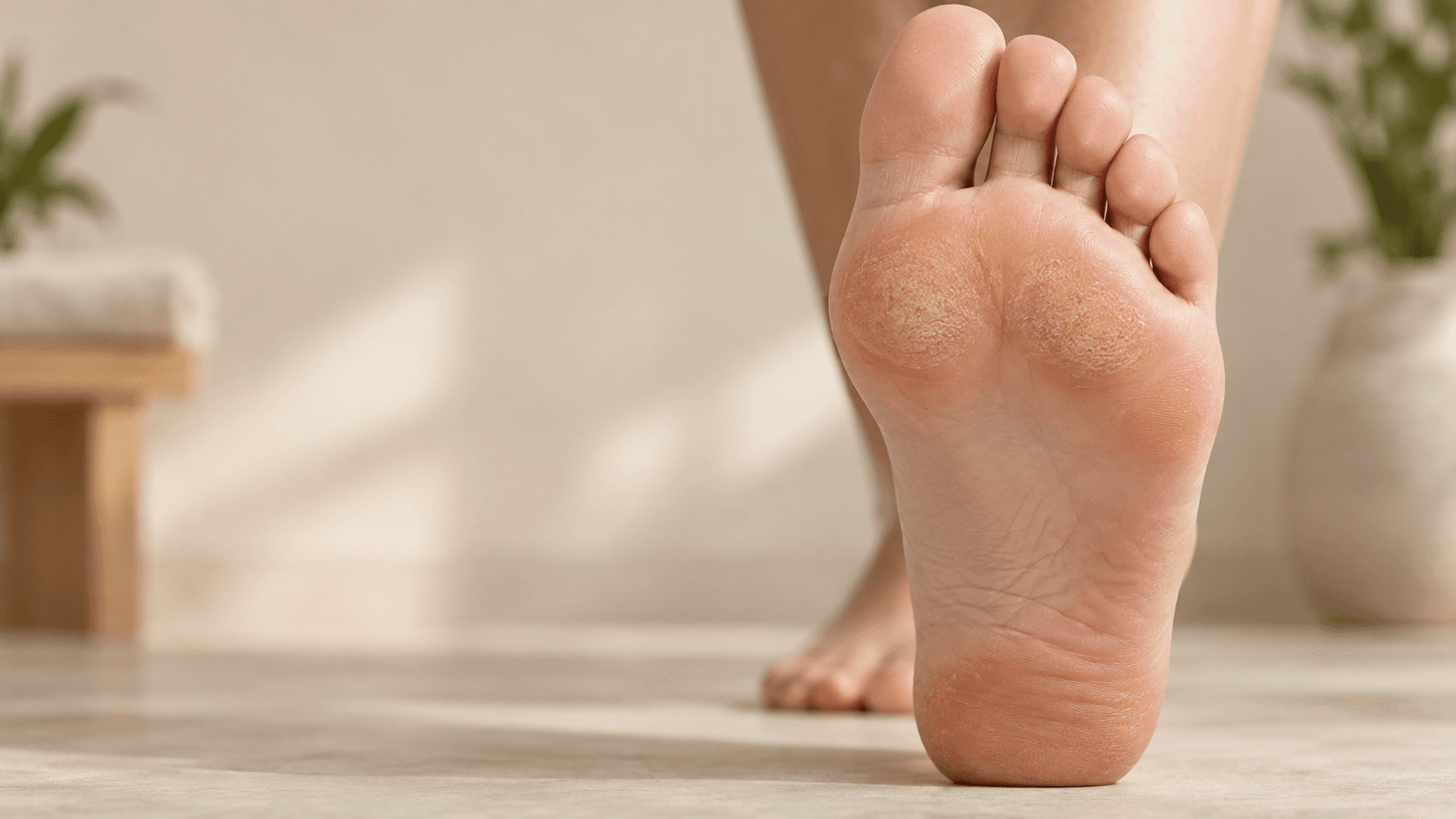
Calluses on the ball of the foot usually keep returning for one reason: that area is still taking more pressure or friction than the surrounding skin. Gently smoothing the surface can help with uncomplicated roughness, b...
Calluses on the ball of the foot usually keep returning for one reason: that area is still taking more pressure or friction than the surrounding skin. Gently smoothing the surface can help with uncomplicated roughness, but lasting improvement usually starts with shoes, fit, and the way the foot is being loaded.
Why this spot gets thickened skin
The ball of the foot carries a great deal of force when you walk, run, stand, or wear shoes with a narrow toe box or a high heel. If the foot slides forward, a particular area can experience the same rubbing over and over. The skin responds by thickening.
That thickening is not a sign that you failed to exfoliate enough. It is a clue to look for the repeated pressure.
Check the shoe first
Start with the shoes you wear most. Ask whether they leave the front of your foot feeling compressed, whether your toes are crowded, or whether your foot slides toward the front. A better fit or more cushioning can matter more than any new foot-care product.
If you use inserts or pads, choose them for comfort and stop if they make pressure worse. Persistent pain is a reason to get individual advice rather than keep experimenting.
Care for the skin gently
For intact, non-painful roughness, moisturize the area regularly. A small amount of gentle smoothing on softened skin may be appropriate, but do not use a blade and do not keep filing until the area feels tender.
If the spot is sharply painful, has a central core, is changing, or does not improve when shoe pressure is addressed, it may be more than routine callus. A clinician or podiatrist can help identify the cause.
Who should not self-treat
Do not self-treat foot calluses with acids, blades, or abrasive tools if you have diabetes, neuropathy, poor circulation, reduced sensation, or a history of slow healing. Seek professional guidance instead.
Final thought
The ball of your foot does not need to be scrubbed into submission. Reduce the pressure first, then use a steady moisture-and-maintenance routine to keep intact skin more comfortable.
FAQ
Why do I get calluses on the ball of my foot?^
They usually form from repeated pressure or friction, often related to shoe fit, foot sliding, or long periods of standing.
Can I use a pumice stone on a ball-of-foot callus?^
Only use gentle smoothing on intact, non-painful skin. Do not use it on a tender, broken, or inflamed area.
Do insoles help with ball-of-foot calluses?^
Cushioning or a better-fitting shoe may reduce pressure for some people. Stop if an insert makes the area more painful.
Why does the callus come back after filing?^
It will often return if the original pressure or friction pattern is still present.
When should I see a podiatrist for a callus?^
Seek advice for pain, bleeding, a changing lesion, persistent recurrence, or any concern if you have diabetes, neuropathy, poor circulation, or slow healing.