How to Use a Pumice Stone on Your Feet: A Gentle Step-by-Step Guide
如何在脚上使用浮石
Learn how to use a pumice stone on your feet safely: soften the skin, wet the stone, use light pressure, stop at warning signs, moisturize, and clean and dry the stone afterward.
To use a pumice stone on your feet, soften the skin first, wet the stone, and make a few light passes over rough areas. Stop before the skin feels raw, then moisturize and clean and dry the stone.
Pumice works best as gradual foot-care maintenance—not as a way to remove every rough patch in one session. The aim is to smooth excess surface buildup without creating more irritation.
How to Use a Pumice Stone on Your Feet
1. Soften the skin first
Use the pumice stone after a shower, bath, or short warm soak. The skin should feel pliable and softened, not waterlogged, swollen, or fragile.
For more detail on this preparation step, see should you use a pumice stone wet or dry?.
2. Wet the pumice stone
Rinse the stone under clean water and keep it damp while you use it. A wet stone can move more evenly over softened skin and may reduce the urge to press too hard.
Do not use a dry stone as a reason to scrub more forcefully. If the skin or stone feels too dry, pause and add more water.
3. Start with rough areas only
Focus on areas such as the heel rim, sole, or ball of the foot where the skin feels thick or rough. Avoid healthy, comfortable skin and do not keep going simply because the stone is in your hand.
4. Use light, short passes
Move the stone gently over the area for a short time, then check how the skin feels. Several light passes are better than grinding one spot with heavy pressure.
You are reducing excess roughness, not trying to make the foot perfectly smooth in one sitting. If you need help choosing between tools, compare a pumice stone and a foot file.
5. Stop at the first warning signs
Stop when the area feels smoother or when the skin starts to feel tender. Also stop if you notice:
- burning or stinging
- rawness or unusual sensitivity
- increasing redness
- peeling caused by irritation
- pain or bleeding
A pumice routine should leave the skin comfortable. More pressure or more time is not automatically a better result.
6. Rinse and moisturize
Rinse your feet, pat them dry, and apply a foot cream to dry areas while the skin is still slightly damp. Daily moisturizing can help reduce the cycle of dryness between occasional exfoliation sessions.
For guidance on timing future sessions, read how often to exfoliate your feet.
7. Clean and dry the stone
Rinse the pumice stone thoroughly after use, remove visible residue, and let it dry completely in an airy place. Do not leave it sitting in standing water or a closed, damp container.
See how to clean a pumice stone for a fuller cleaning routine and how often to replace a pumice stone for signs that the stone should no longer be used.
How Often Should You Use a Pumice Stone?
Once a week is a reasonable starting point for many people. Only consider a second session in the same week if the skin remains comfortable and the roughness is uncomplicated. Let the skin’s response guide the routine rather than trying to remove more buildup quickly.
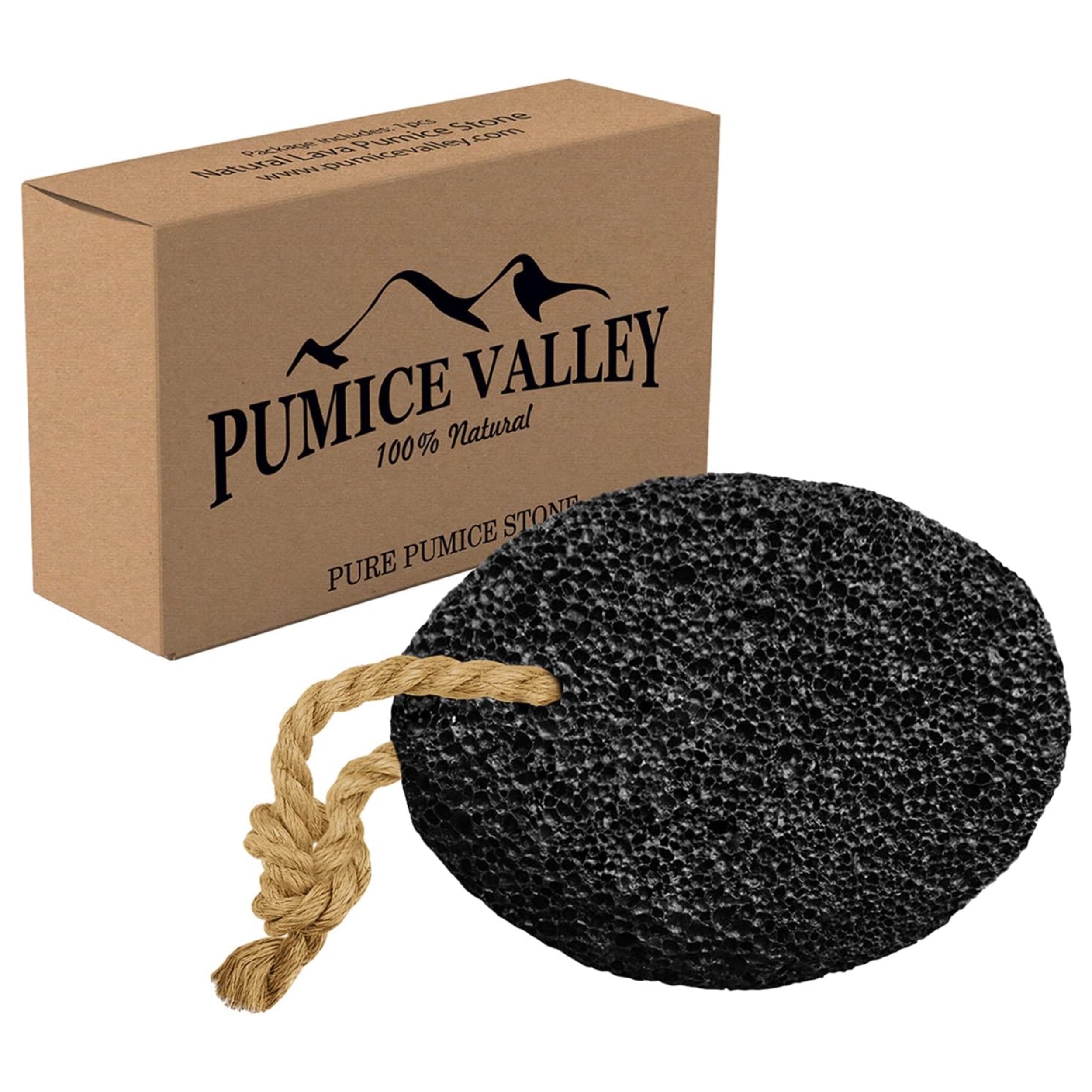
If your feet become tender, red, sore, or increasingly dry, pause exfoliation and focus on gentle care. The Pumice Valley pumice stone for feet page has product-specific information, while this guide covers general technique.
When Not to Use a Pumice Stone
Do not use a pumice stone over open, bleeding, painful, or inflamed skin. Be cautious with deep cracks, unexplained changes, or areas that do not improve with gentle care. People with diabetes, reduced sensation, or circulation concerns should get appropriate professional guidance before exfoliating.
Do not try to force a result by scrubbing longer or harder. If a rough area is very localized, painful, or keeps returning despite a gentle routine, reconsider whether pumice is the right tool.
Final Takeaway
The safest basic method is simple: soften the skin, wet the stone, use light pressure on rough areas, stop early, moisturize, and clean and dry the stone. Consistent gentle care is more useful than an aggressive one-time session.
FAQ
How do you use a pumice stone on your feet?^
Soften your feet after a shower, wet the pumice stone, and use light short passes only over rough areas. Stop when the skin feels smoother or tender, then moisturize and clean and dry the stone.
Should you use a pumice stone wet or dry?^
For most routines, use a wet stone on softened, damp skin rather than a dry stone on rigid skin. See the wet-versus-dry guide for the practical differences.
How long should you use a pumice stone on your feet?^
Use it only long enough to make a few gentle passes over rough areas, checking the skin as you go. Stop before the area feels raw, burning, or tender; longer is not necessarily better.
How often should you use a pumice stone?^
Once weekly is a reasonable starting point for many people. Use it less often or pause if the skin becomes uncomfortable, and do not increase pressure to compensate.
Can you use a pumice stone on cracked heels?^
Avoid using it over open, bleeding, painful, or inflamed cracks. A pumice stone is intended for uncomplicated surface roughness, not broken or irritated skin.
How do you clean a pumice stone after using it?^
Rinse away residue, clean the stone according to the pumice-stone cleaning guide, and let it dry completely in an airy place before storing it.