The Part of Foot Hygiene Almost Everyone Forgets
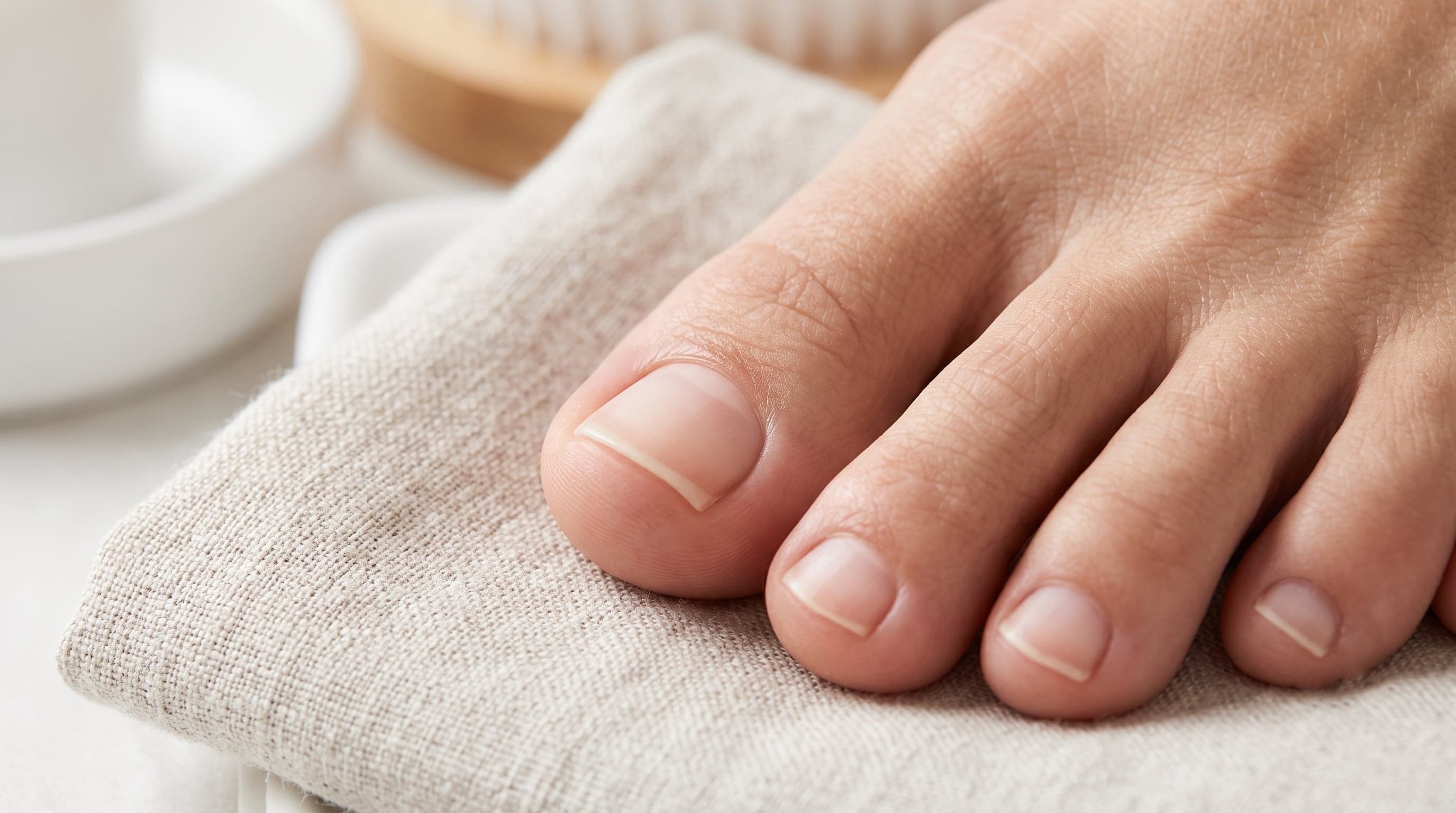
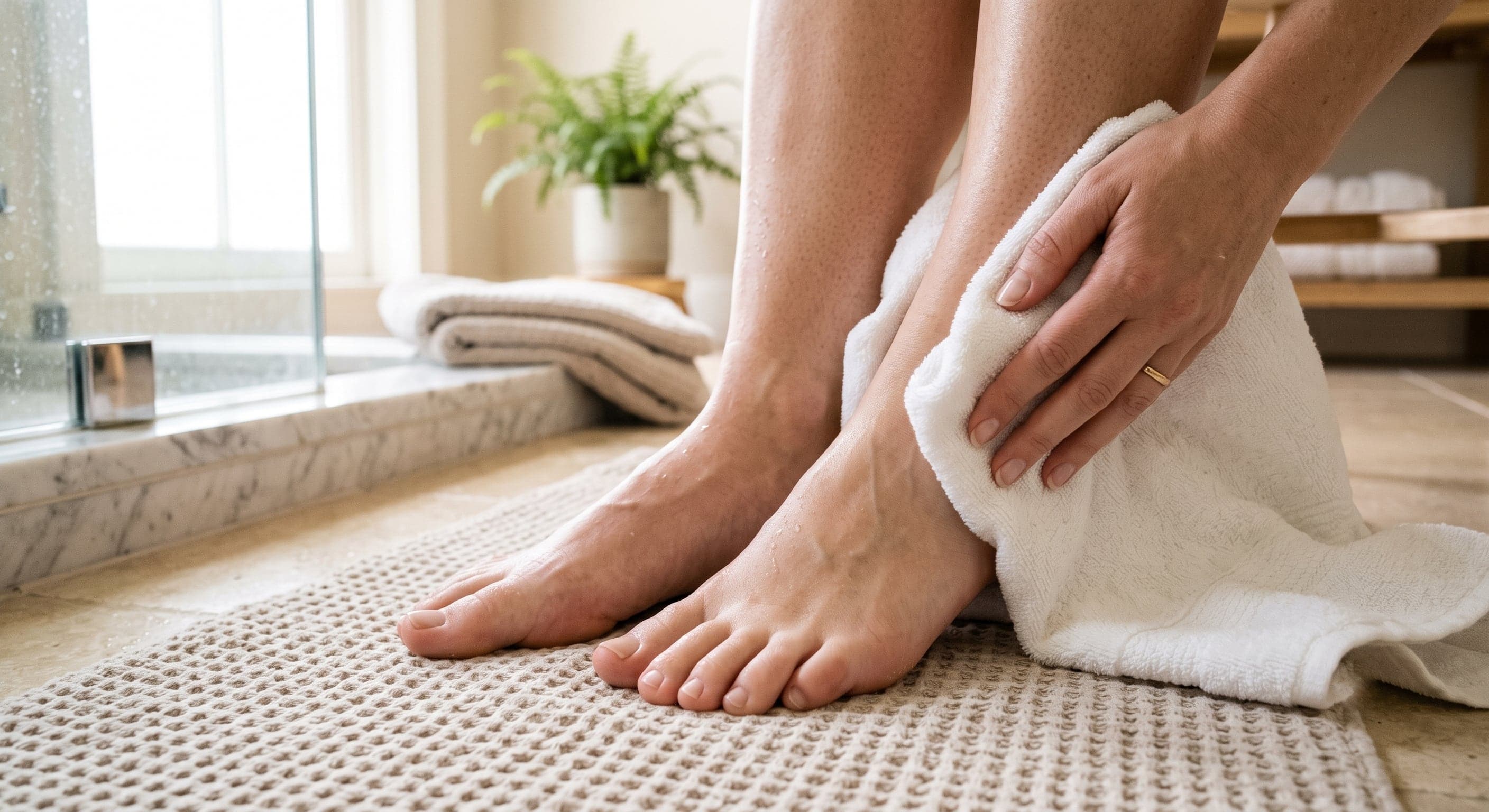
Most people wash their feet but skip the area around the toenails, where sand, sweat, sunscreen residue, and skin particles often remain. This small habit can make feet look and feel much cleaner.
Thoughts on natural foot care, daily rituals, and the materials that support healthy skin. Practical guidance, written with intention
New here? Start with our pillar page for the full overview of pumice stones for feet, then explore the supporting articles below.

Most people wash their feet but skip the area around the toenails, where sand, sweat, sunscreen residue, and skin particles often remain. This small habit can make feet look and feel much cleaner.

Keeping your toenails clean is not just about appearance. Learn why daily nail cleaning improves foot hygiene and how to build a routine that takes less than two minutes.

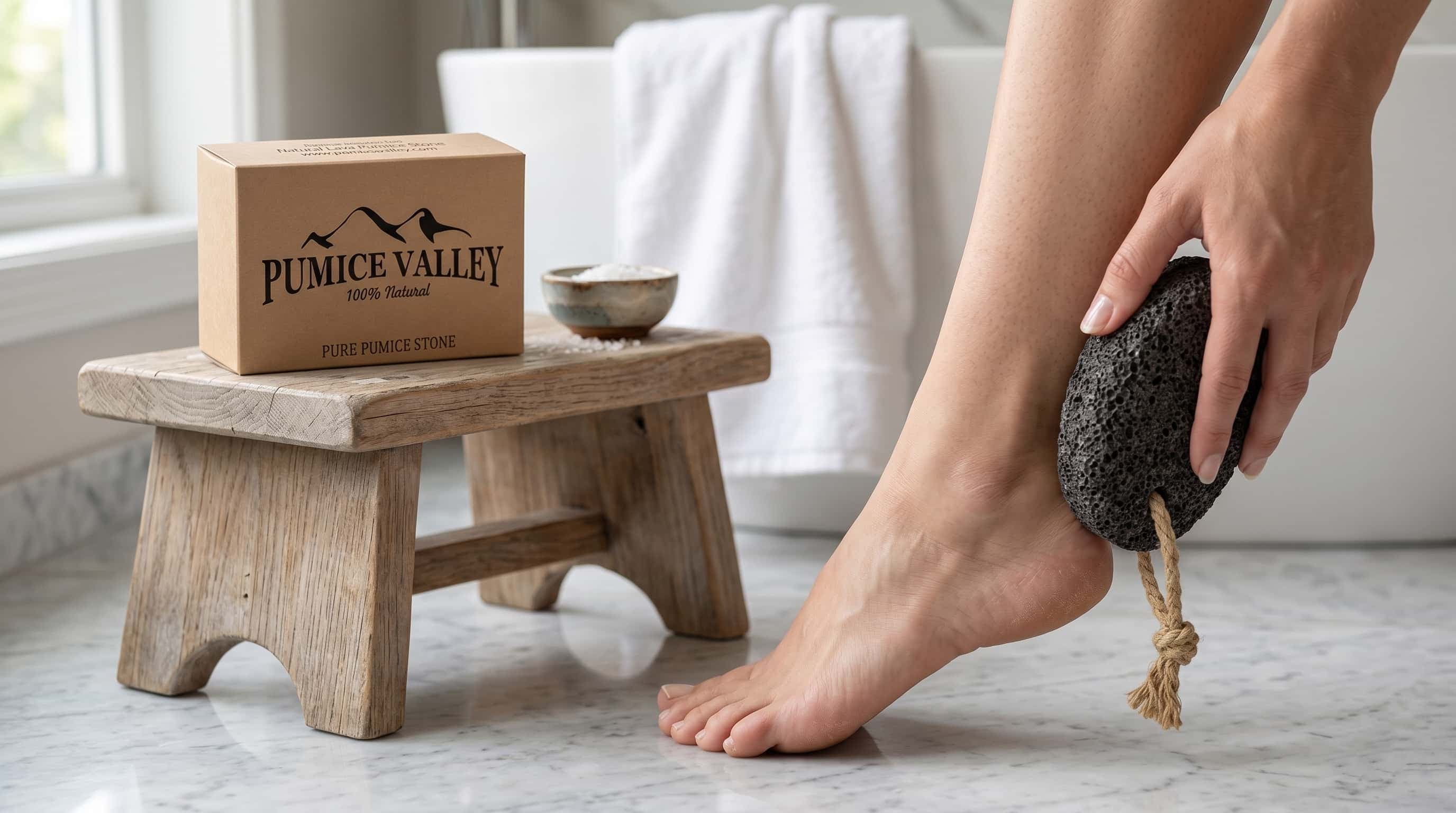
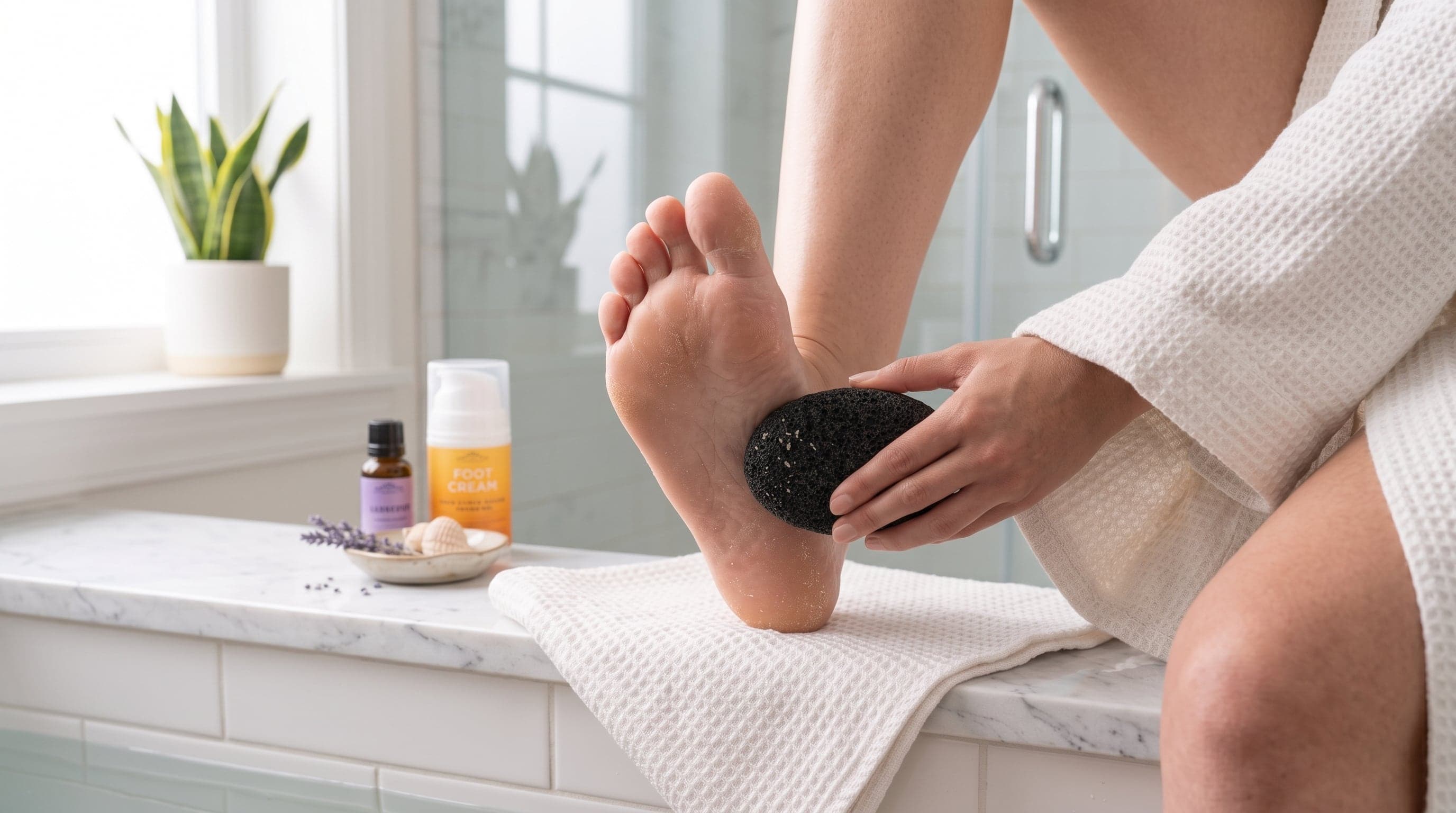
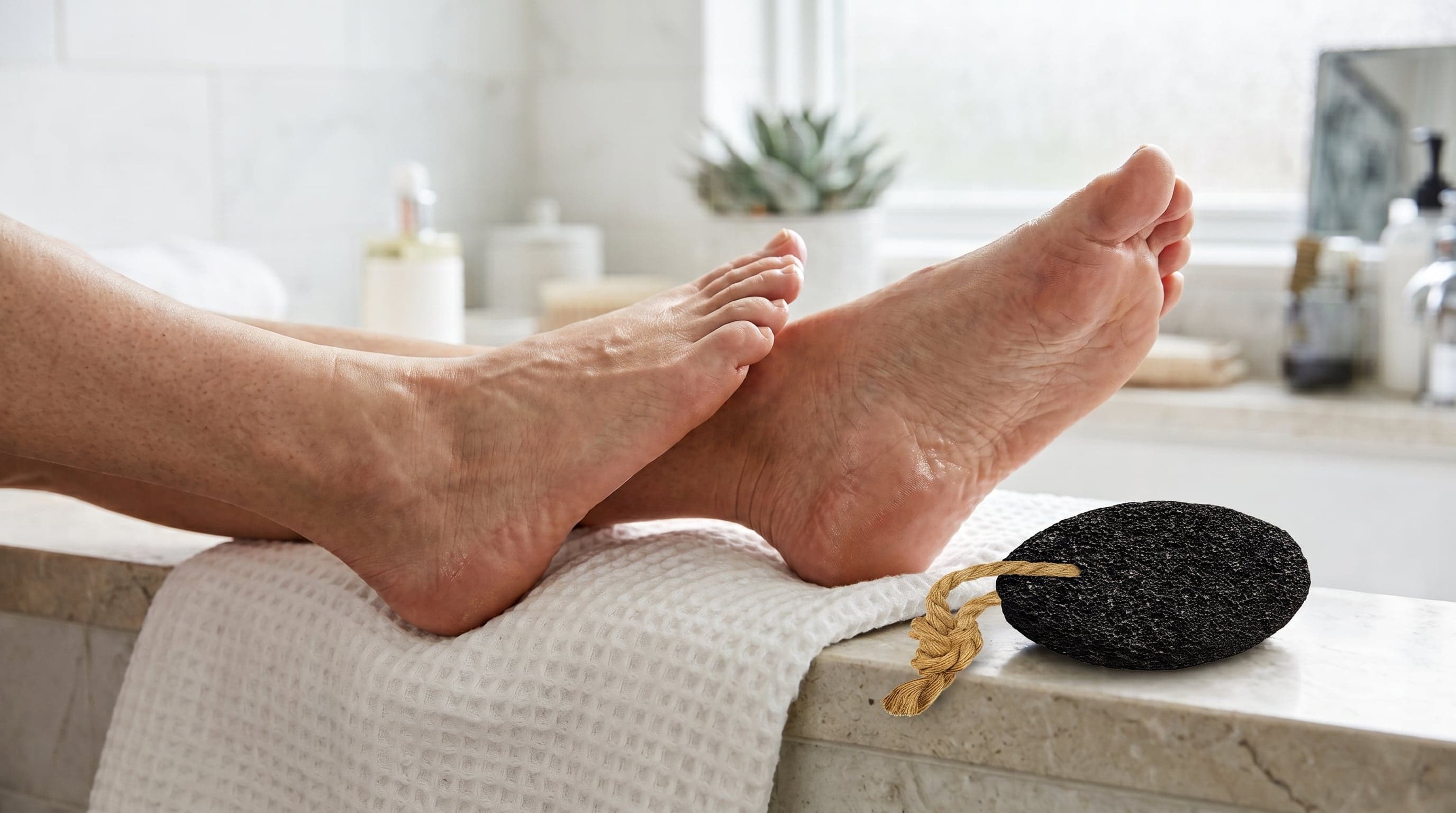
If your pumice stone is not working, the issue is usually technique, timing, or skin condition rather than the tool alone. Here is how to make it work better without over-scrubbing.

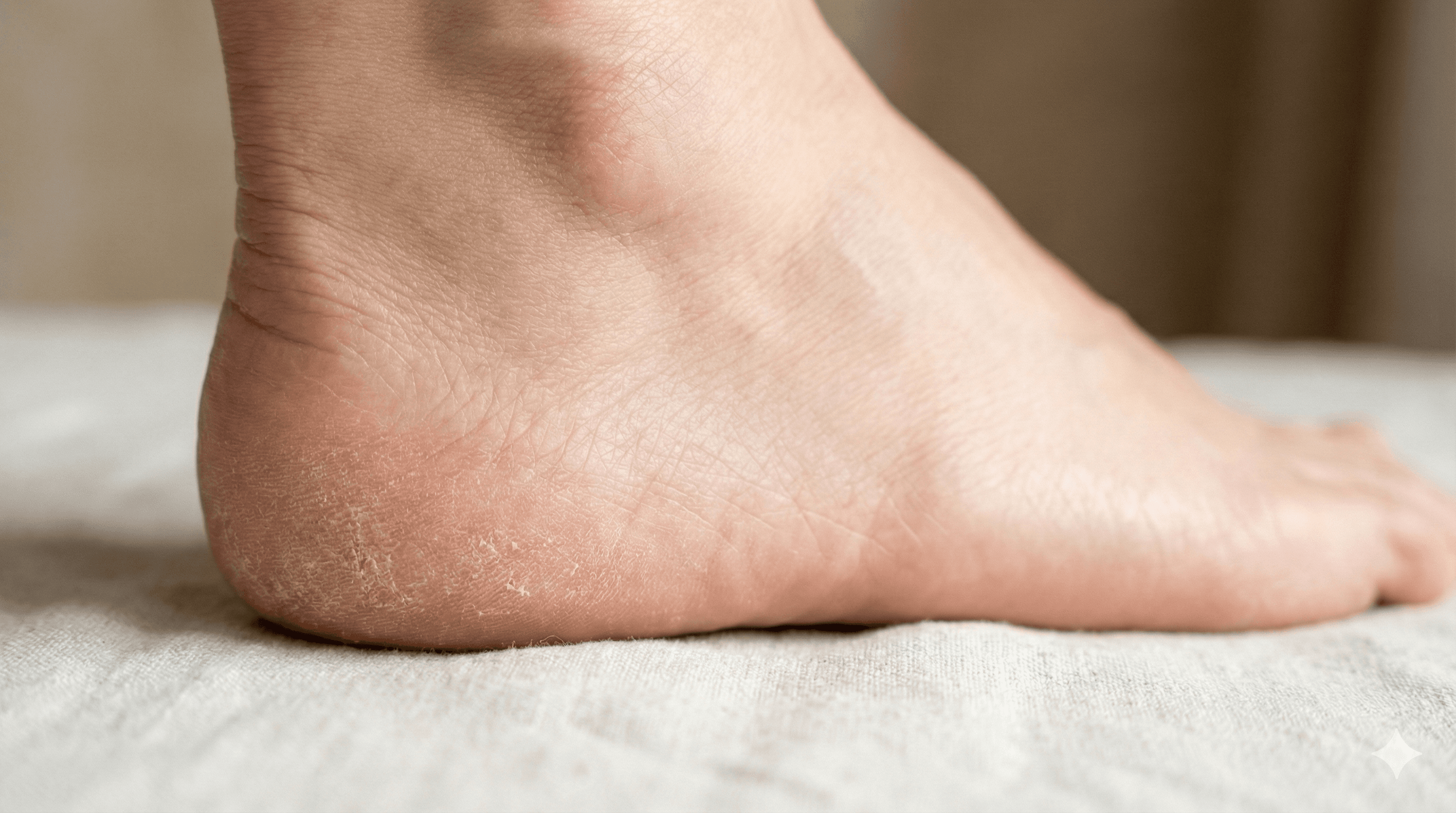
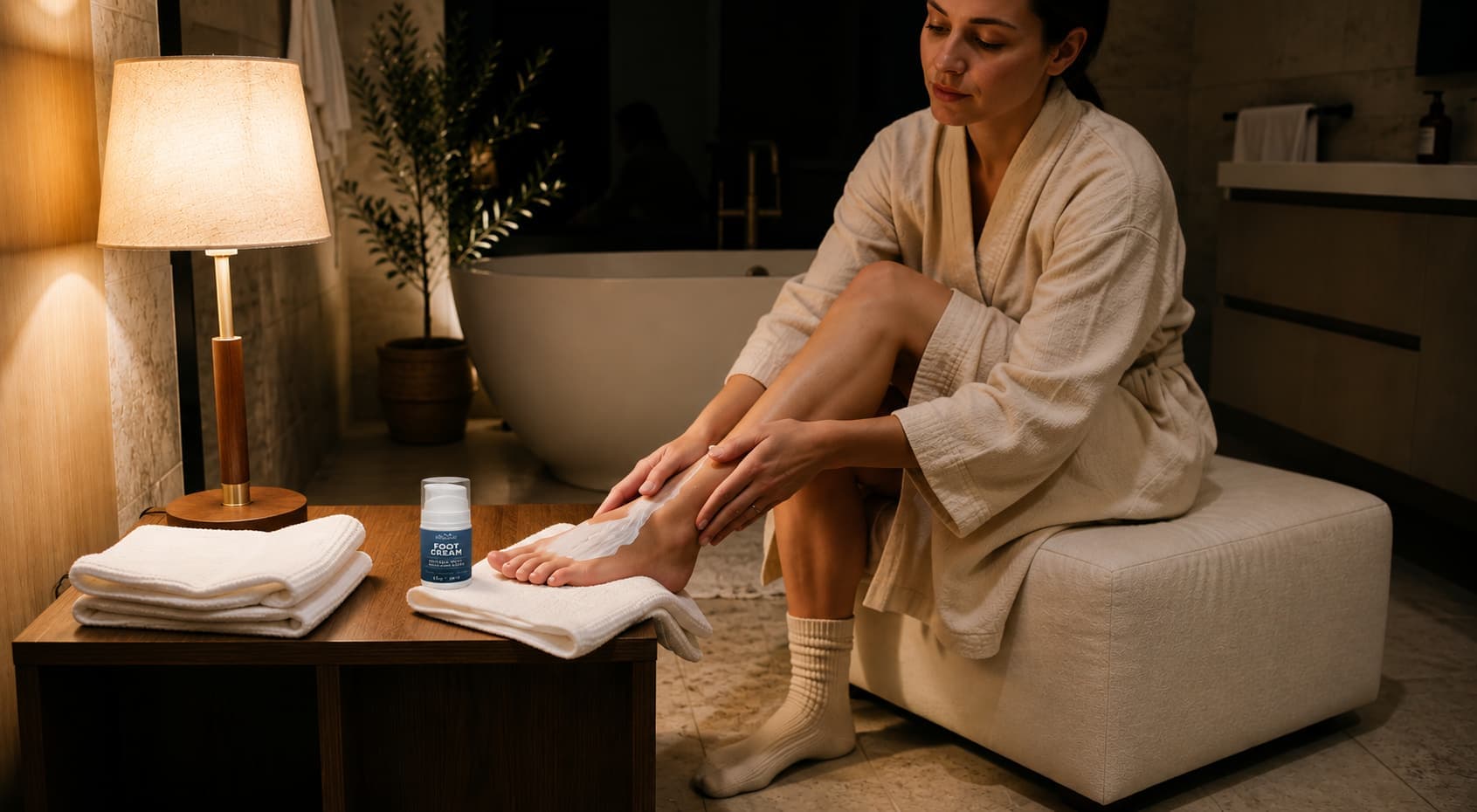
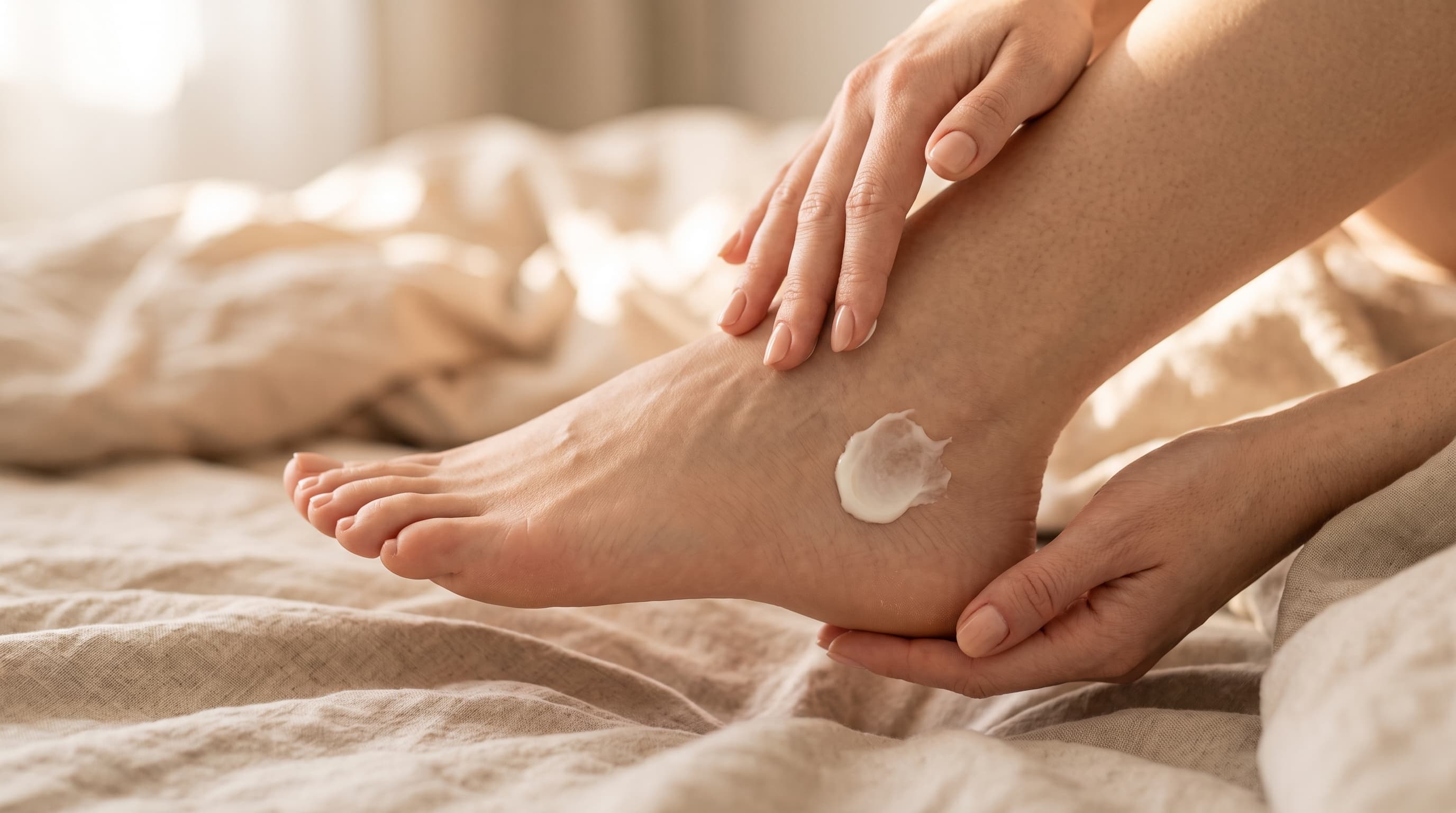
Vaseline can help cracked heels, but not for the reason many people think. Here is what petroleum jelly does well, where it falls short, and how to use it more effectively.
If your feet never feel fully clean after a shower, the problem is often not the skin. It is the nail area, cuticle line, and side edges that ordinary washing tends to miss.

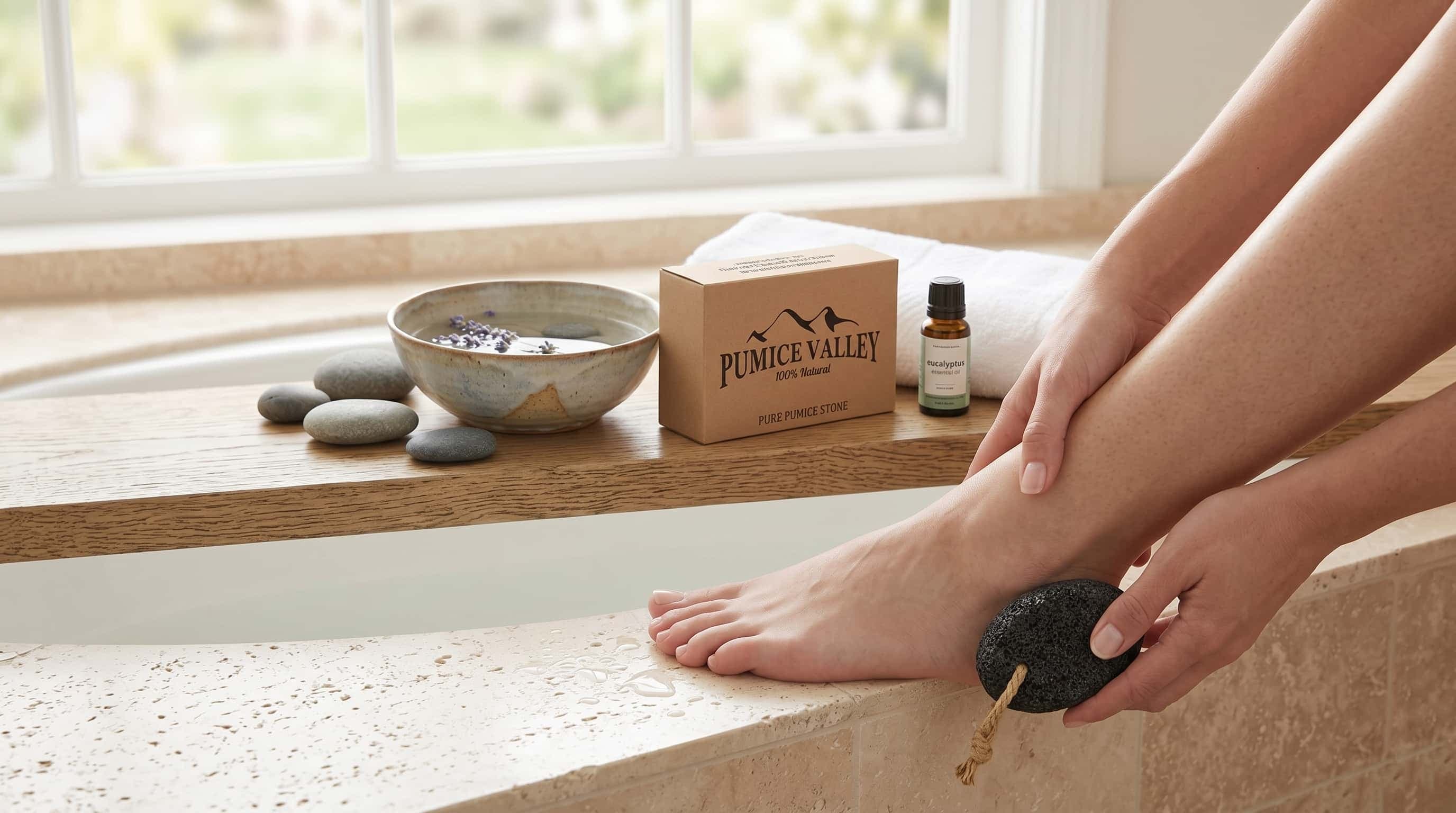
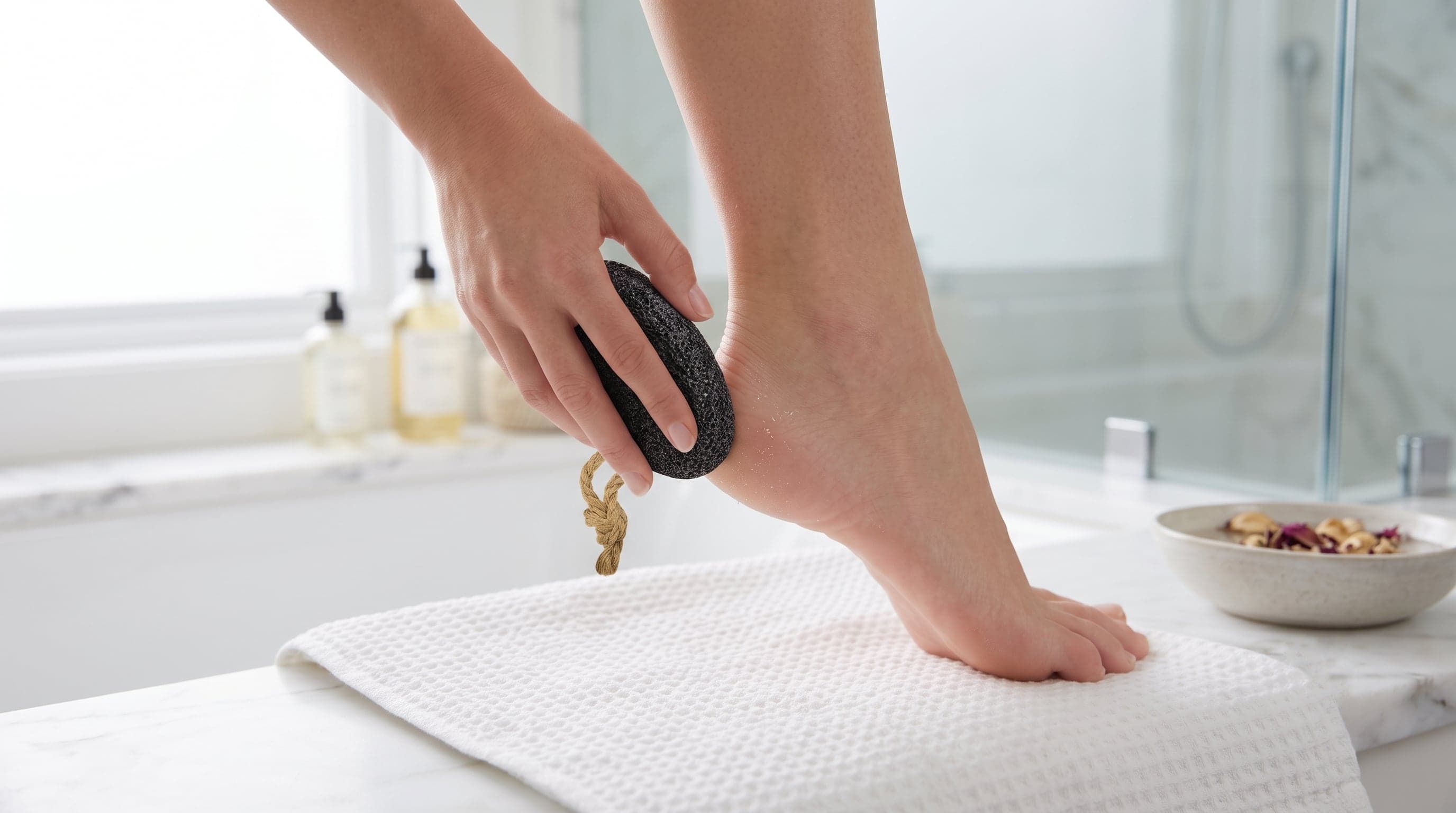
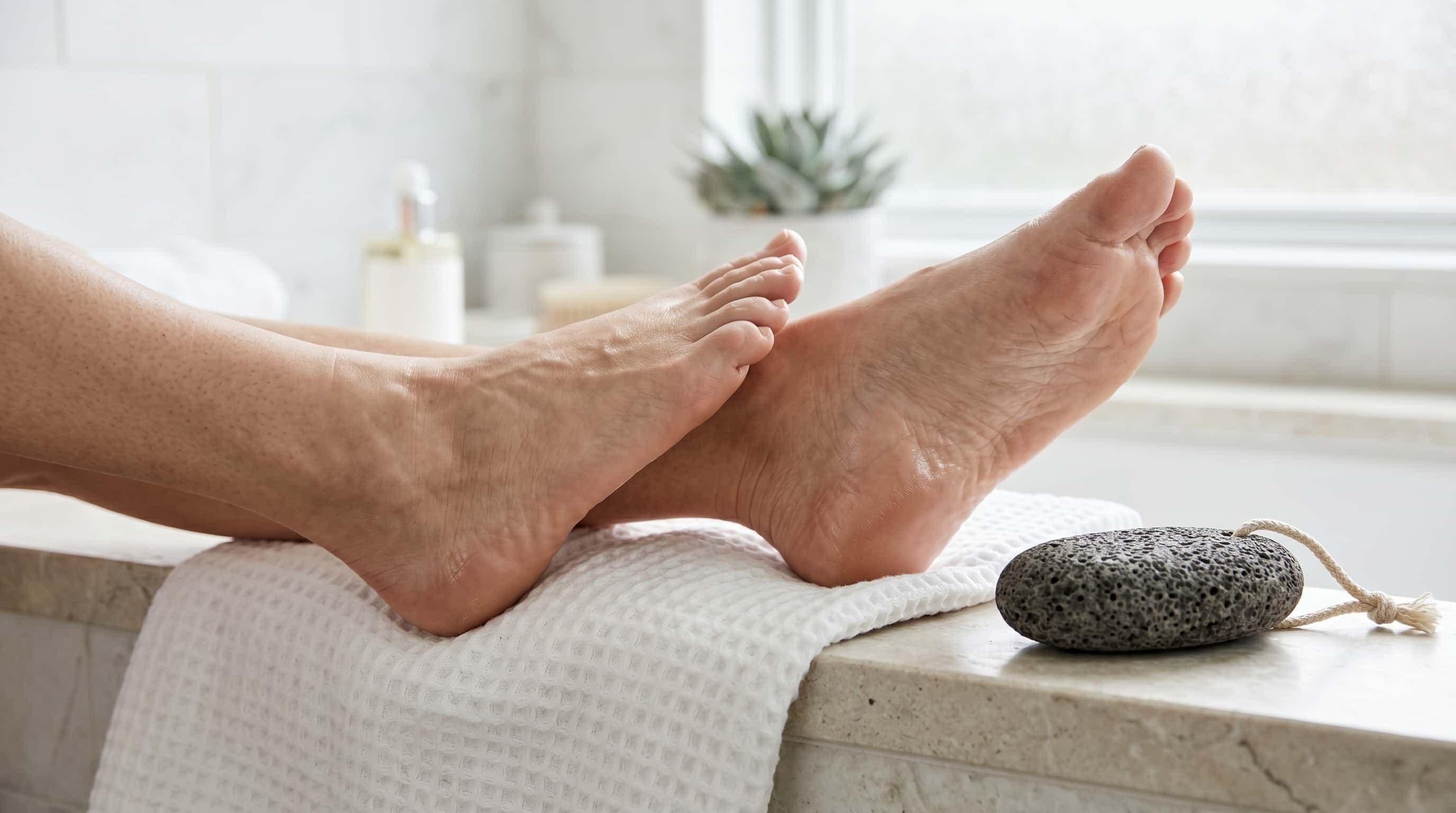
Most people get better results from a pumice stone on softened skin rather than on dry feet. Here is why wet use is usually safer and more effective.

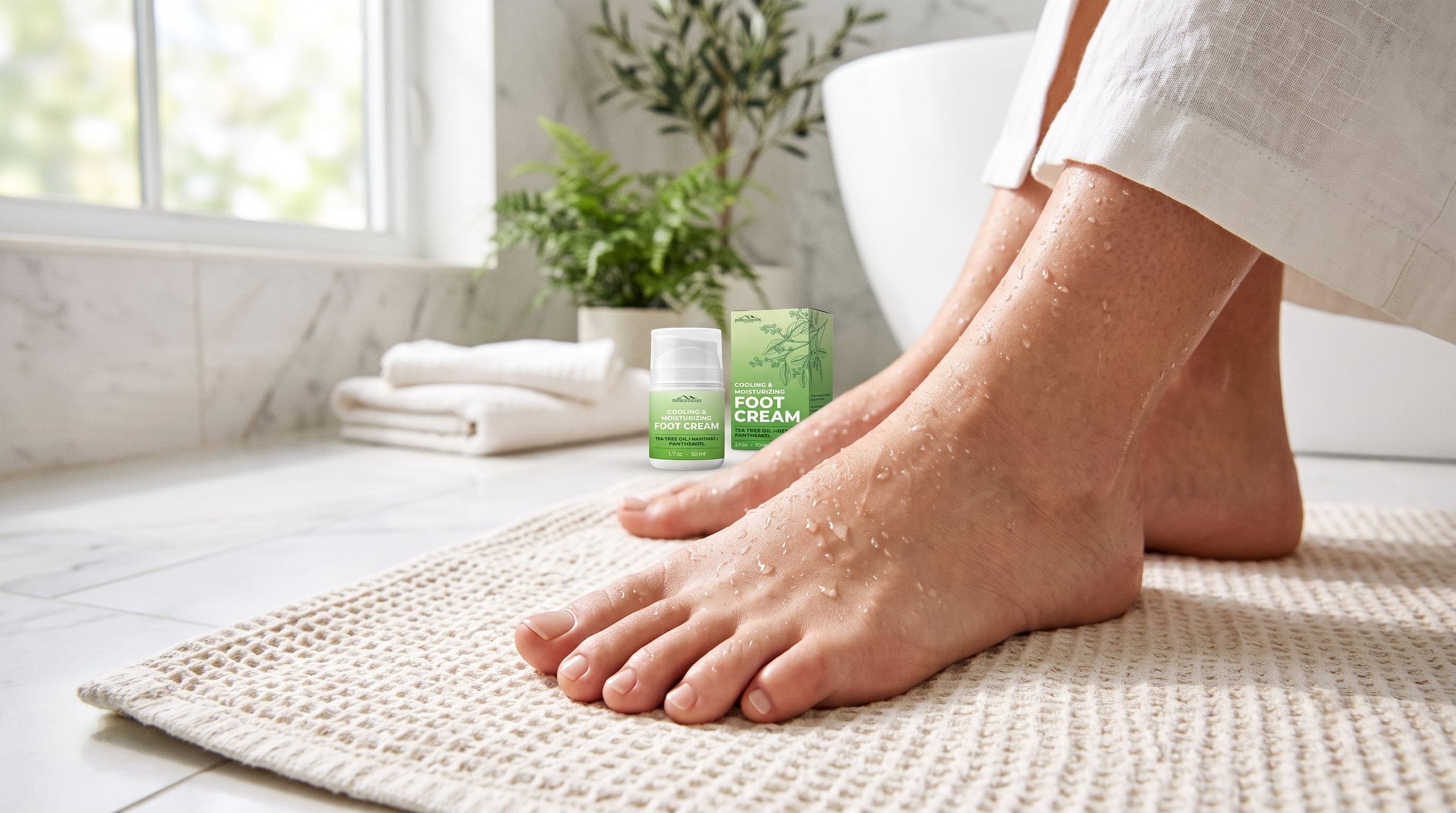
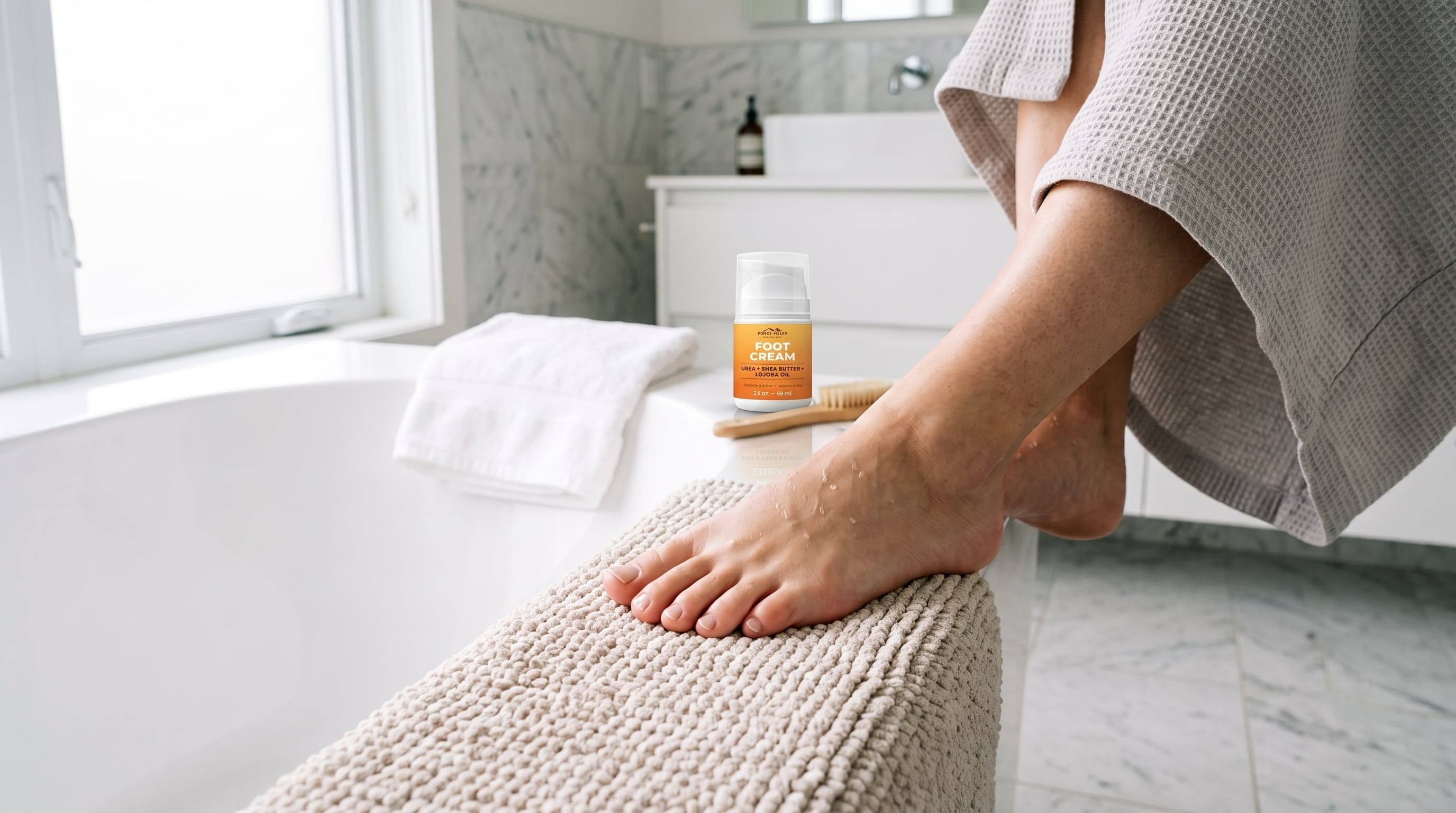
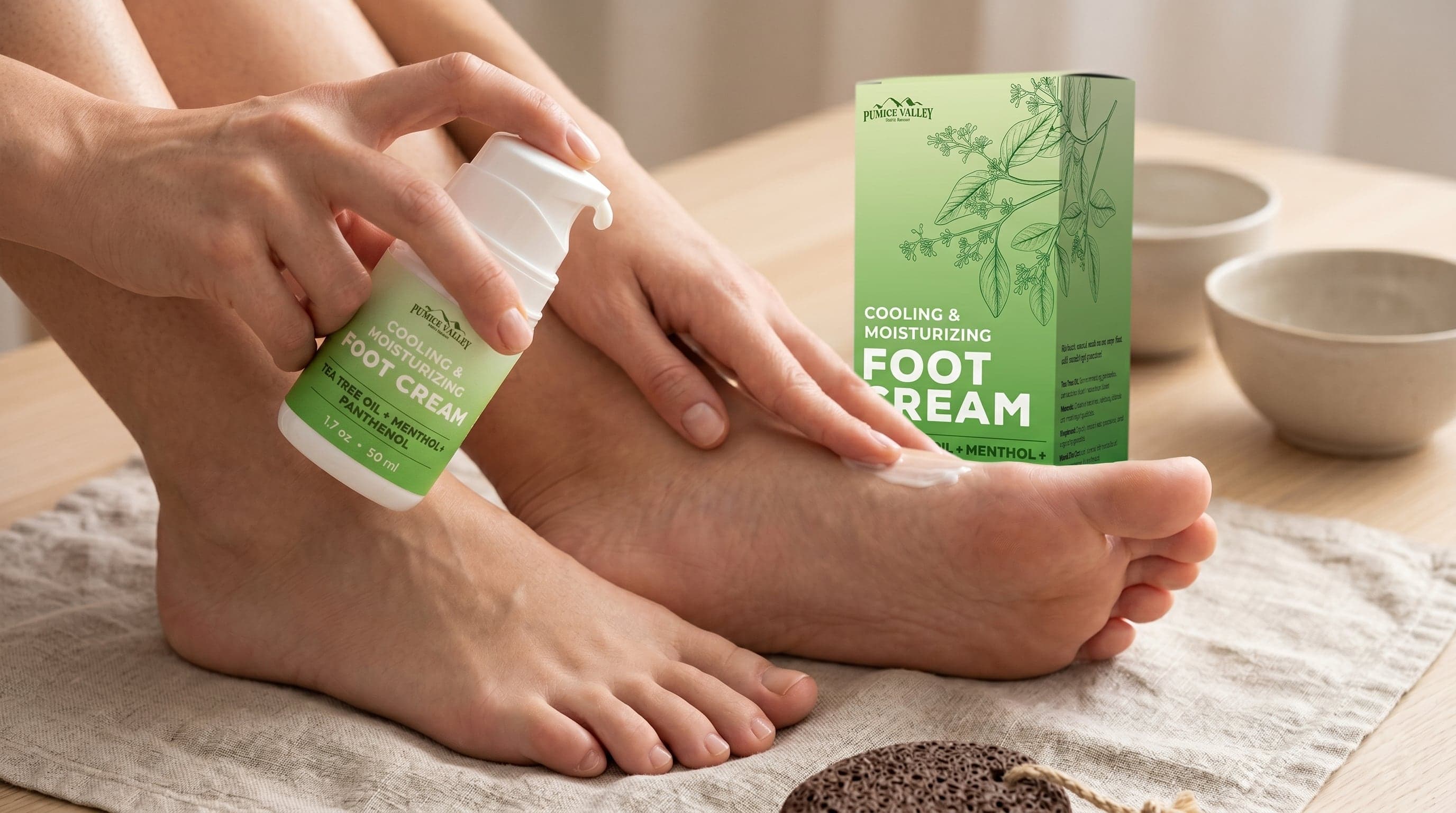
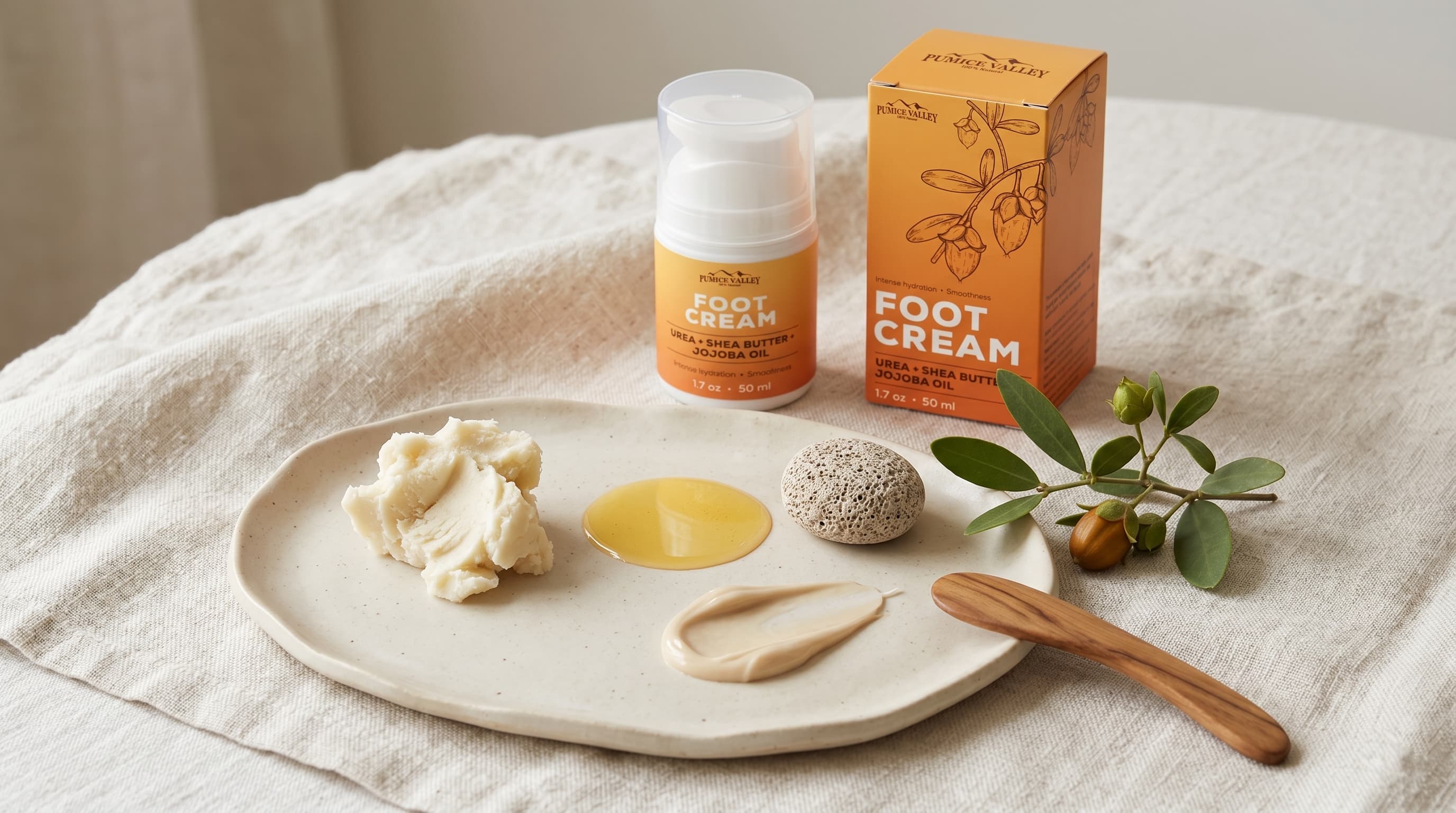
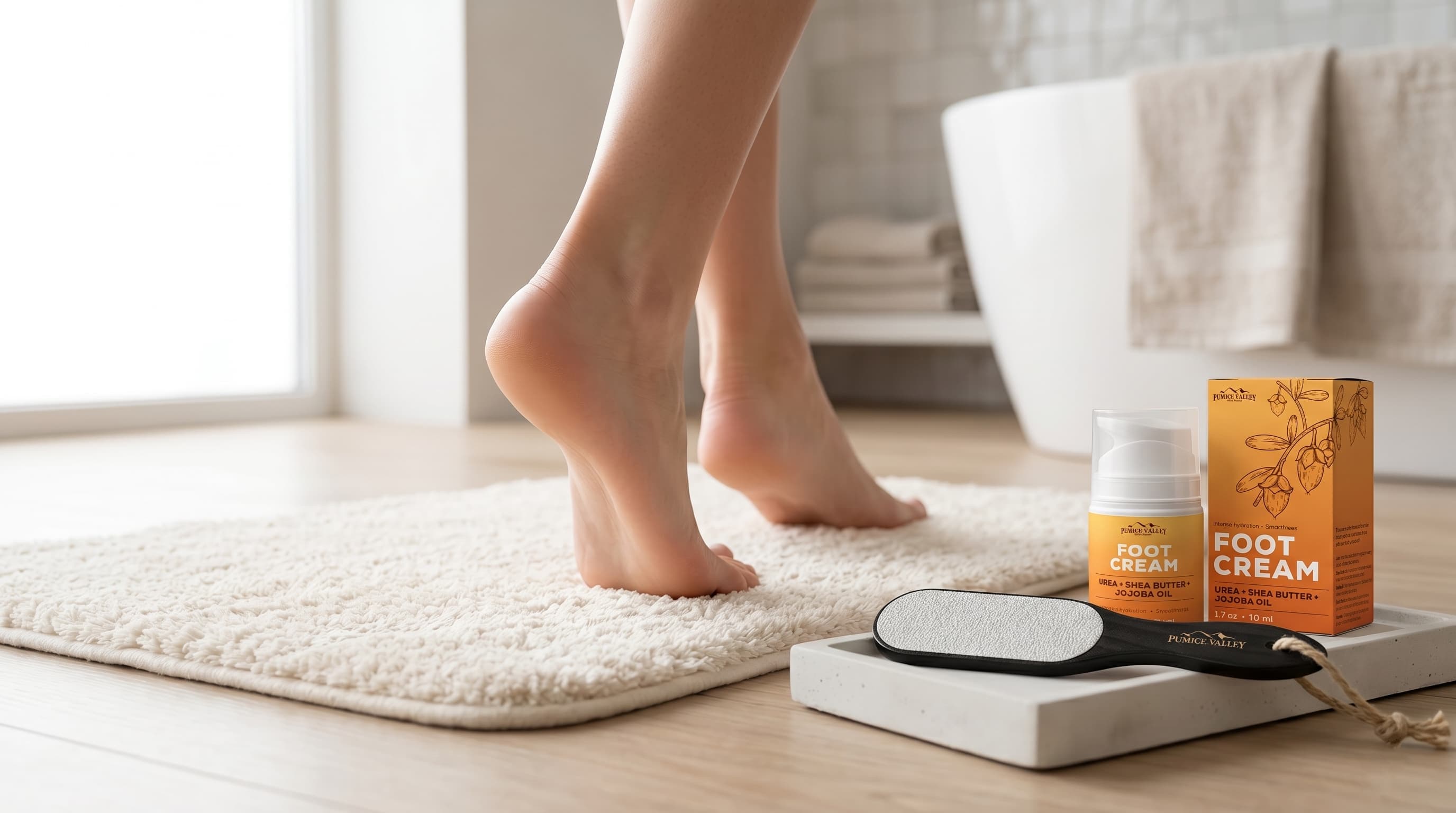
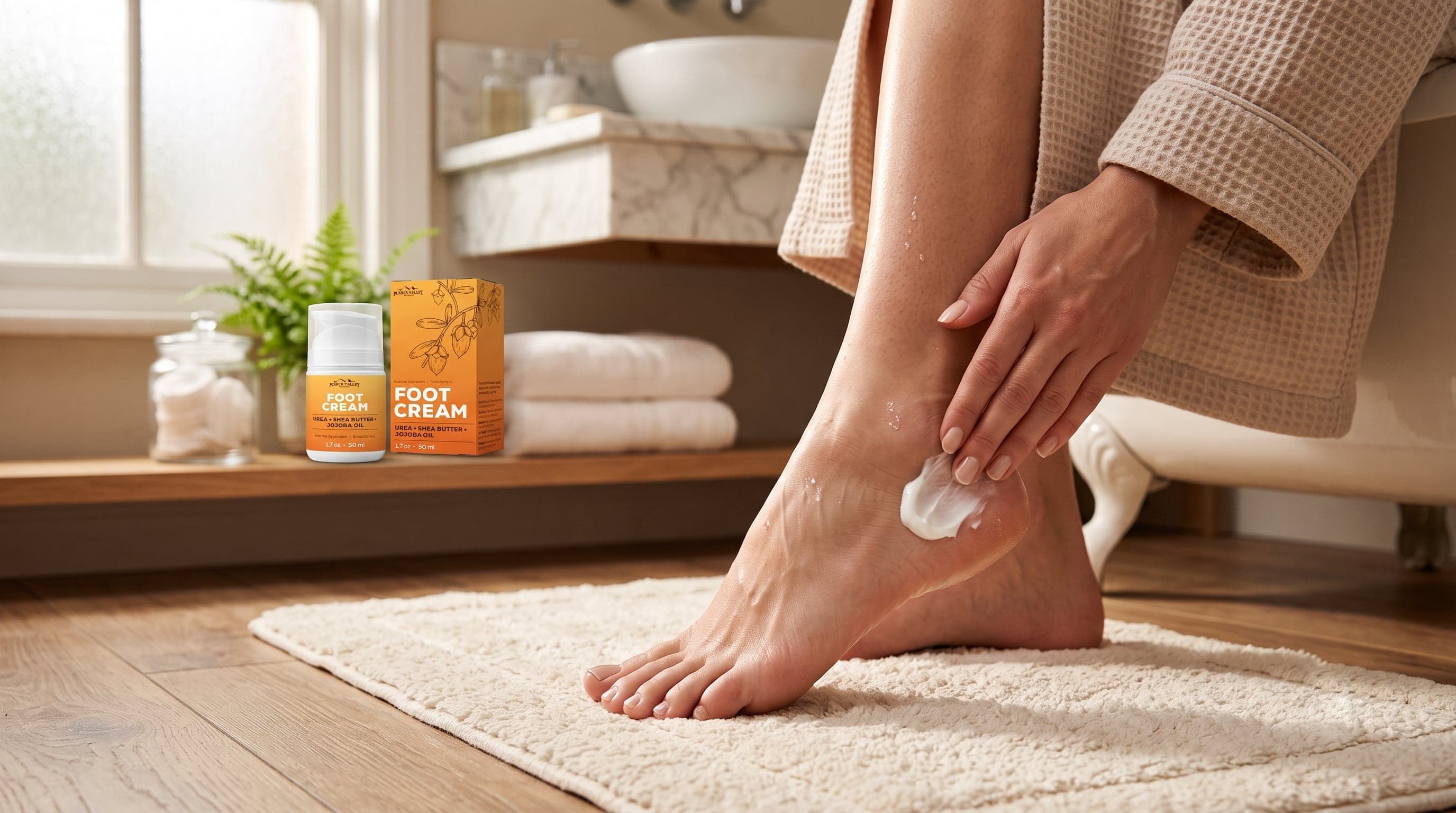
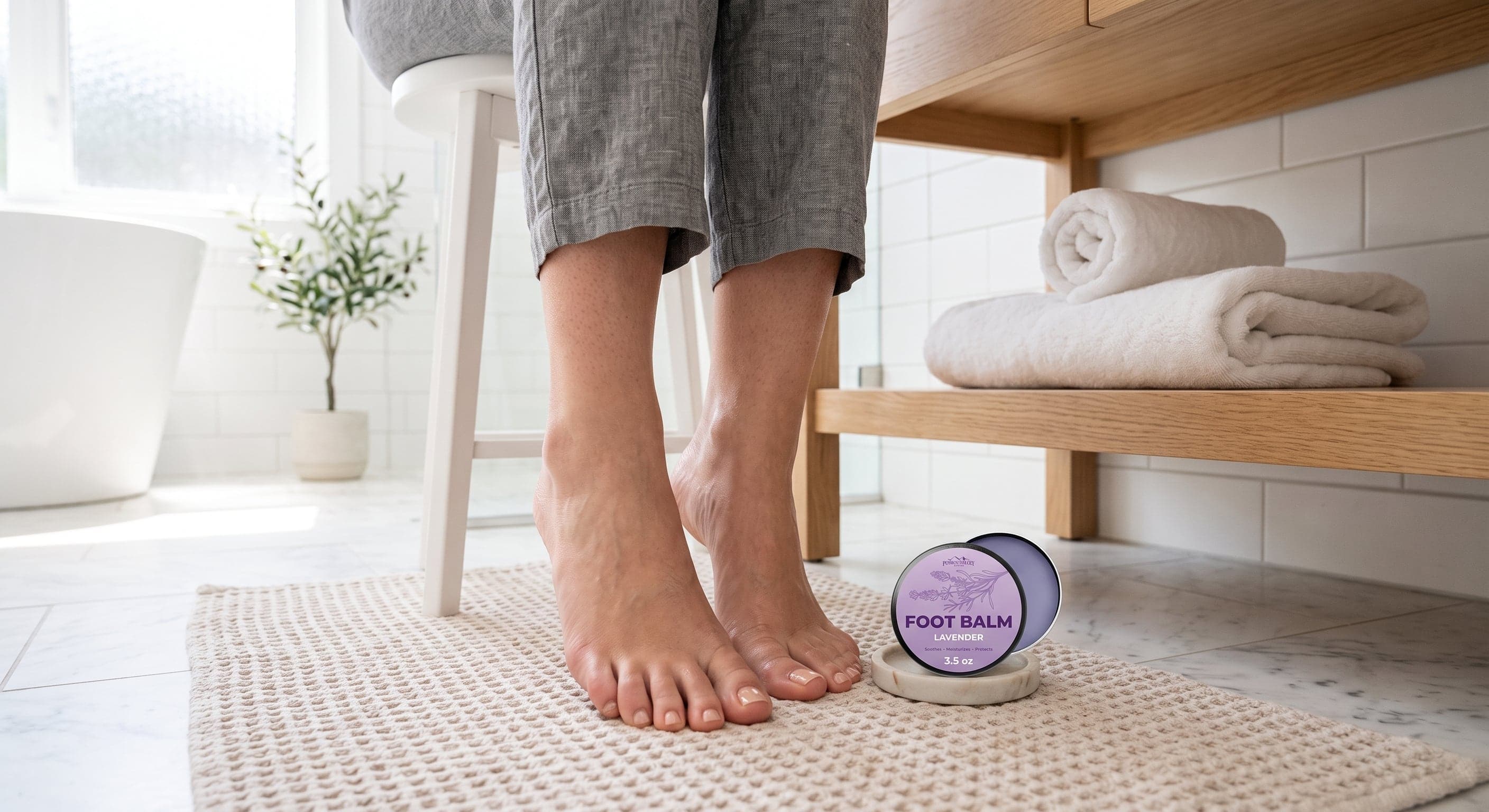
Dry feet respond better when the formula matches the problem. These are the ingredients that actually help cracked heels, rough buildup, and long-term softness.

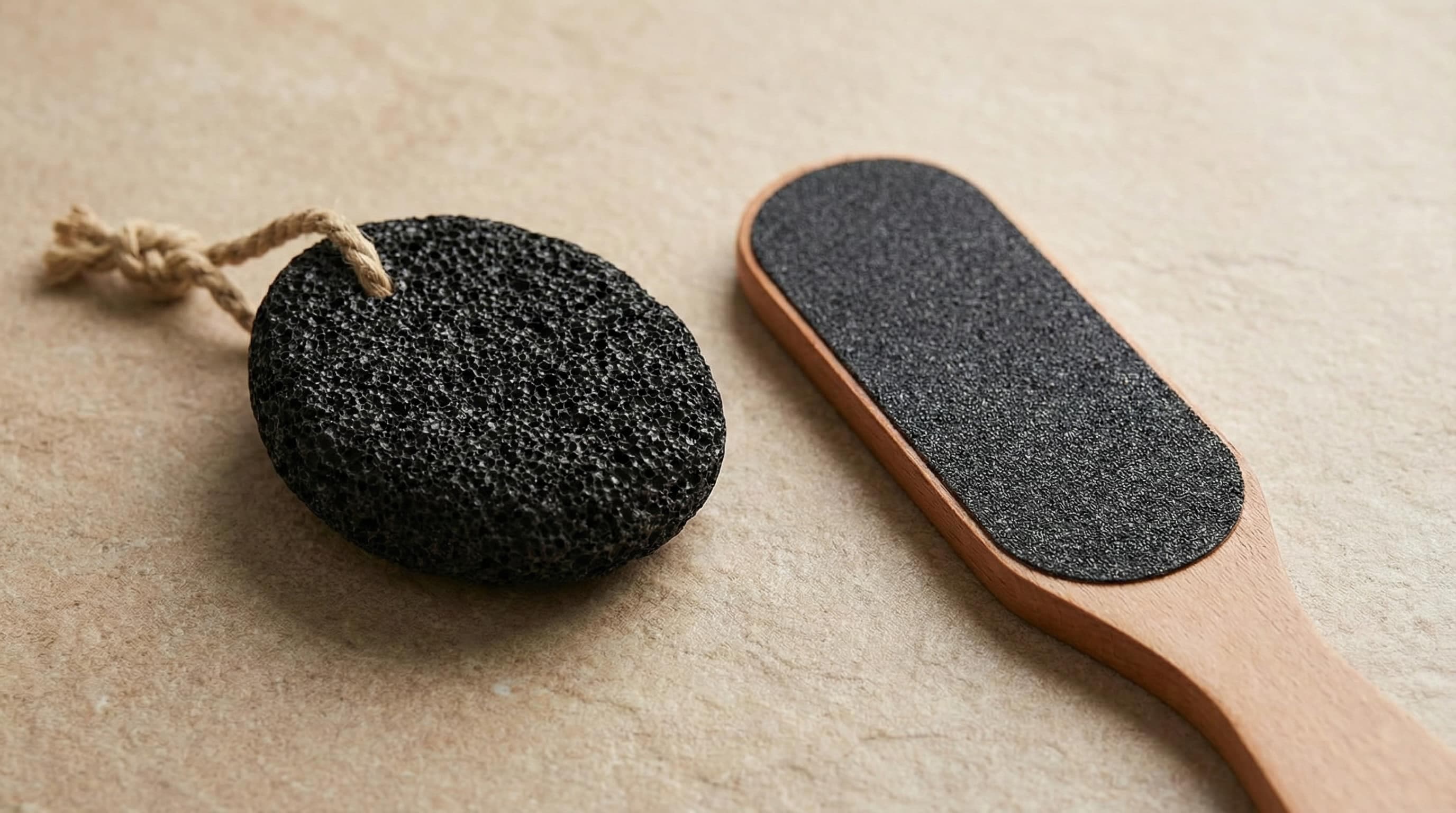
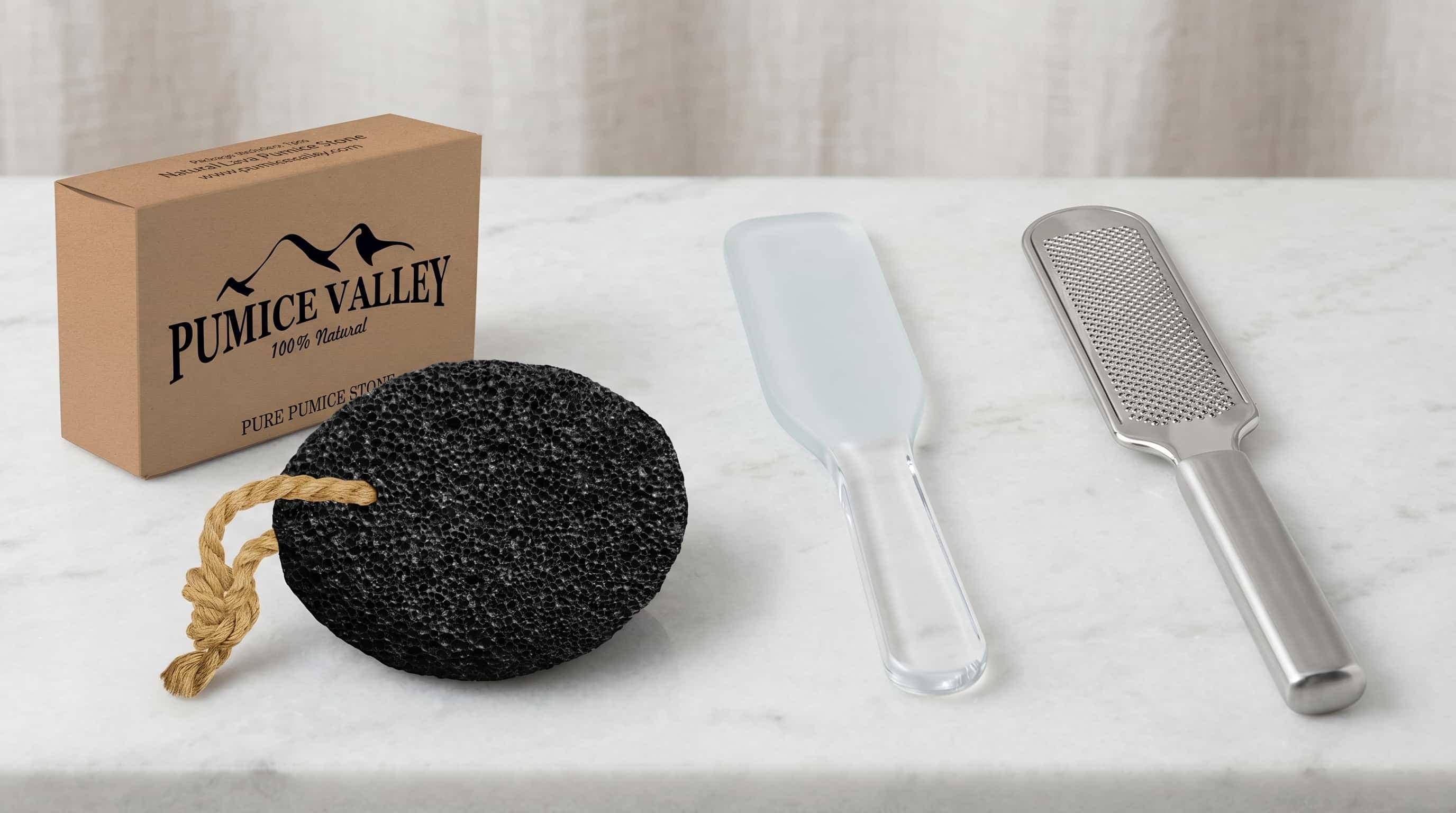
Both tools smooth rough feet — but they work differently. Here’s how to choose the right one for your needs.
We give attention to our face, hands, hair, and nails, but often ignore the body part that carries us everywhere. Here is why feet deserve more care and which simple habits make the biggest difference.